Lab imaging reveals how living cells in human milk use nutrients
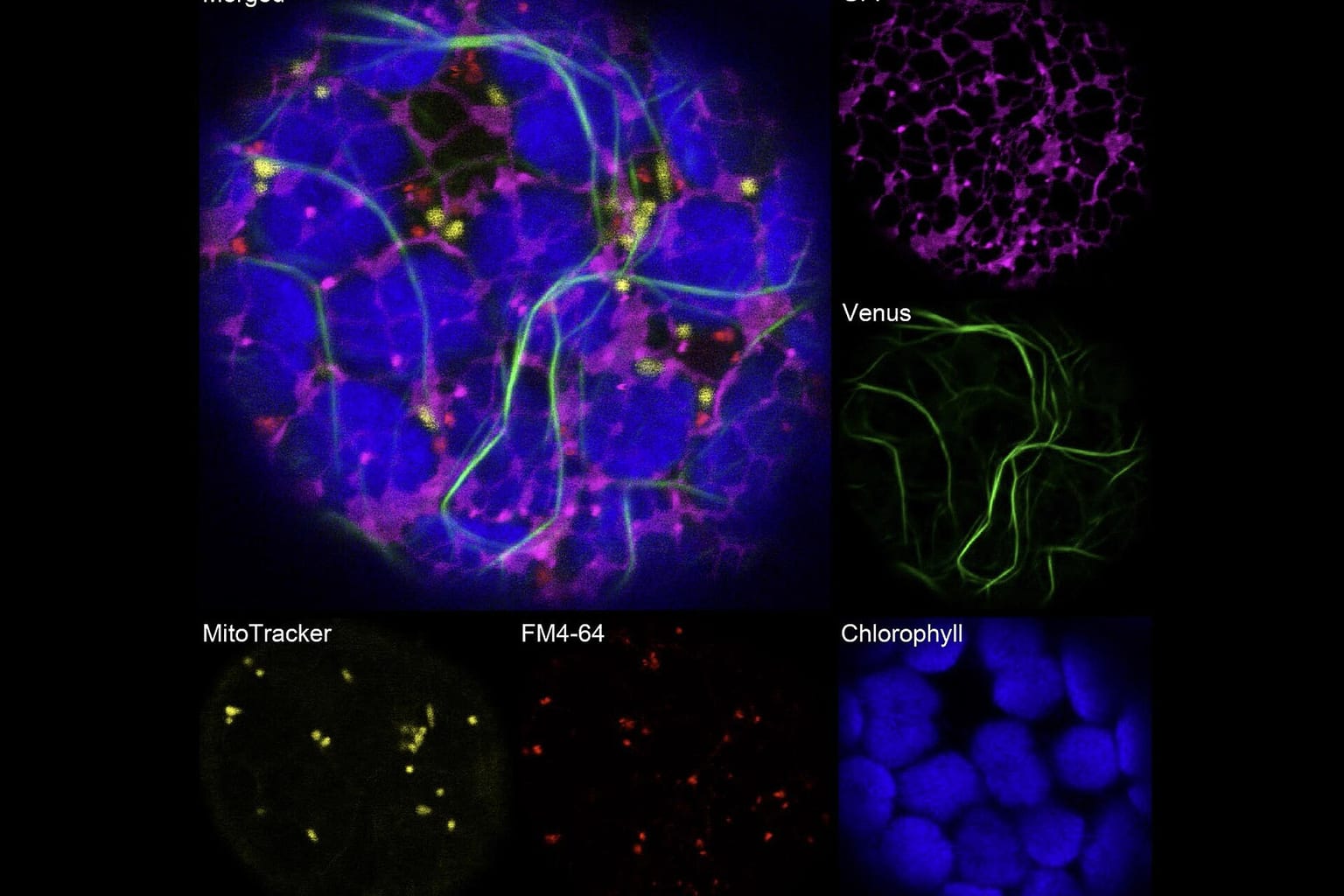
Under a nanoscale microscope, a drop of human milk turns into a crowded landscape of living cells. Until now, scientists knew that these cells were there, but relatively little about what they do. A team of researchers from The University of Western Australia and partner institutions has now looked inside individual cells and followed how they handle nutrients.
The approach combines several techniques. Confocal and electron microscopy show the cells' identity and fine structure. NanoSIMS, a nanoscale mass spectrometry method, maps their chemical composition. Stable isotope tracing follows nutrients that carry a detectable label, and single-cell RNA sequencing shows which genes each cell switches on. Lead author Qiongxiang (Lynn) Lin, a PhD candidate, describes the goal plainly: to connect how a cell looks, what it contains and how it runs its metabolism.
The results show a clear division of labour. When the researchers tracked glucose, they found it was turned into fat droplets inside macrophages, immune cells whose genes for handling fat were switched on. When they followed amino acids, the building blocks of protein, they found that groups of lactocytes were especially busy, producing milk, releasing protein and using energy and fat. The study also revealed high levels of sulfur and iron in neutrophils, immune cells that kill bacteria and help protect babies from infection, according to Donna Geddes, director of UWA's Center for Human Lactation Research and Translation.
What changes is the tool more than any single result. The team says the platform can be used to study how milk cells vary between individuals, throughout lactation and under different maternal health conditions. Associate professor K. Swaminathan Iyer, director of the ARC Training Center for Biomedical Analysis, says the team is particularly interested in whether gestational diabetes alters the cellular and metabolic characteristics of milk. The study does not report any such comparison yet, and the researchers have not announced a timeline for it. For now, the work offers a new way to connect cell identity with function in a fluid that is central to maternal and infant health.
Sources — read the originals(Paris time)
Read next
Comments
Loading the thread…
Sign in to leave a comment. Sign in