Lab study: electron spins explain part of superconductivity puzzle
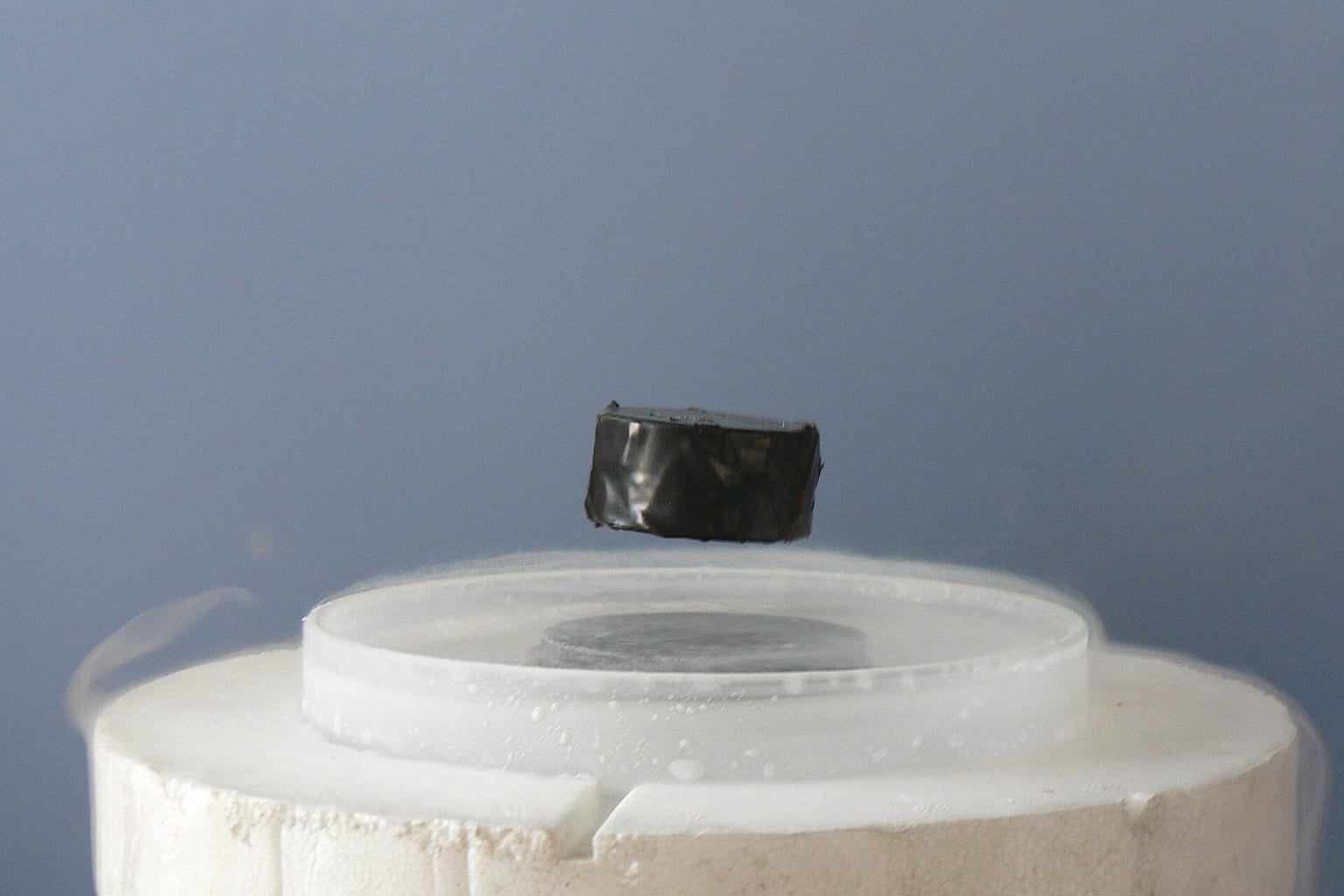
At one end of a thin film strip, electrons paired up and flowed without resistance. At the other end, they never did. Inside a high-powered magnet at the European Magnetic Field Laboratory in the Netherlands, the strip carried that difference in a single piece of material, and it is the reason a team led by the University of Bristol could test one idea about high-temperature superconductivity under identical conditions.
The researchers built the sample from lanthanum cerium copper oxide, depositing it onto a base layer by atomic layer. Along the strip, they gradually replaced lanthanum with cerium. That substitution added extra conduction electrons and produced a smooth gradient of critical transition temperatures, shifting the point at which superconductivity sets in from its highest value down to zero across one sample. Lithography then patterned electrical contacts along the film, so that each area had a different critical temperature while the material disorder stayed the same. Strong magnetic fields suppressed the superconducting state, and the team recorded how resistance changed with temperature, field strength and critical point.
The resistance data show the main source of electrical friction: electrons scattering directly off fluctuating electron spins. The strength of that interaction closely matched the critical transition temperature along the strip, which led the team to conclude that spin fluctuations cause superconductivity in this material. In conventional superconductors, electrons pair through slow vibrations of ions in the crystal lattice. Copper oxides need much faster interactions, and electron spins provide them. Nigel Hussey, Professor of Physics at the University of Bristol and co-lead author, called this “the smoking gun” that solves part of the equation.
The team is explicit that the result covers only one half of the problem. Copper oxides can become superconductors in two ways: by adding electrons, as the researchers did with cerium, or by removing them, which leaves empty spaces called holes. The highest transition temperatures occur only in hole-doped materials. When the team compared its data with earlier high-field studies of hole-doped samples, spin interactions alone could not account for their higher performance. The researchers conclude that a second, still unknown factor must work alongside spin fluctuations on that side. As Hussey put it: “the task now is to go and find the second.”
For now, the change is mostly for theorists, who gain a measured piece of the mechanism they had to model without one. Zero-resistance materials already build the powerful magnets used in medical imaging scans, efficient power cables and ultra-sensitive measuring equipment, and a full mechanism is described by the team as critical for technologies that depend on zero resistance. The study is a laboratory measurement on one artificial film, and it puts no date on any application. Its value is that it narrows the search for the ingredient that would let engineers design these materials rather than discover them.
Comments
Loading the thread…
Sign in to leave a comment. Sign in