Lab tests: 7–8% hydrogen can ignite an ammonia engine
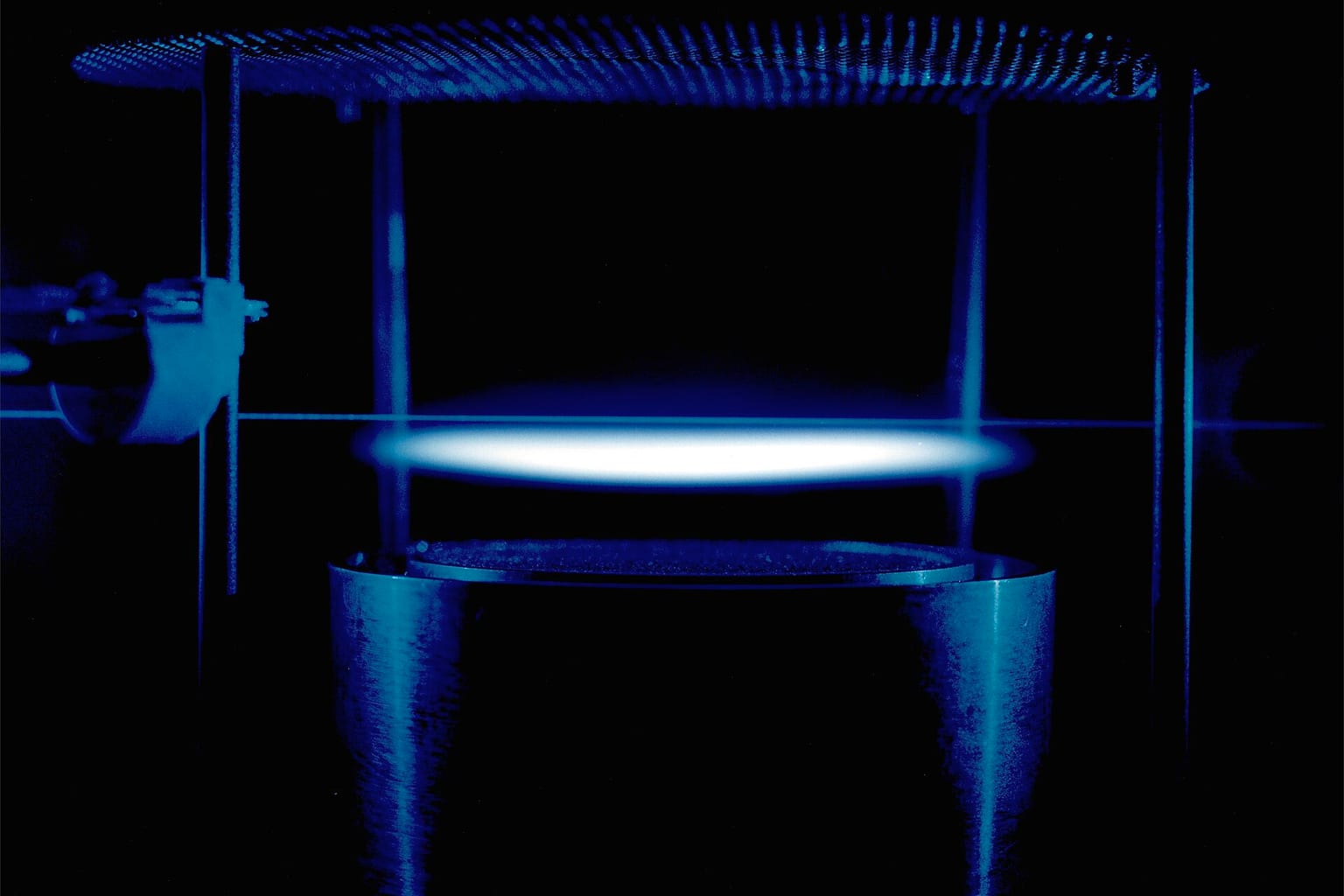
Ammonia is toxic, and it has already powered vehicles. In the 1940s, when diesel was scarce, a fleet of Belgian buses was retrofitted to run on it. Today, a team at the Norwegian University of Science and Technology (NTNU) suggests that as little as 7–8% hydrogen can ignite ammonia in an engine, which could let ships burn ammonia without any carbon-based fuel to start the combustion.
The obstacle is ignition. Ammonia burns poorly on its own, so ammonia engines have always run as dual-fuel engines, with a second fuel to "spark" it. Coal gas, biofuels and diesel have served that role, but each one brings carbon emissions back. David Emberson and his colleagues, who had already studied how to minimize the ignition fuel in such systems, used similar techniques to test hydrogen instead. Their paper, published in the journal Energy & Fuels, suggests that hydrogen can work if it is administered in the right way. The team injects fuel directly into the combustion chamber, rather than mixing it with the ammonia at the intake, a choice that sets its work apart from other labs and from the dual-fuel engines already in operation.
The choice of hydrogen comes from a trade-off. Hydrogen is hard to handle at sea: it must be stored at very high pressure, such as the 700 bar of a hydrogen car tank, and it is highly explosive. Its combustion also produces nitrogen oxides, which are damaging to the environment. Ammonia, though toxic, can be stored at much more moderate pressure, is not explosive and holds more energy per liter. Ammonia is also a chemical store for hydrogen, since it is made of one nitrogen atom and three hydrogen atoms. Splitting it on board, a process called cracking, releases the hydrogen, but it takes energy, and Emberson says that cost must be reduced.
The sea is where the change would count. Shipping produces between 11% and 12% of all transport emissions worldwide, and the International Maritime Organisation has agreed to cut them by 50% from 2008 levels by 2050. Emberson says the marine sector is where engines and fuels are most likely to stay in use the longest, so the aim is to move the sector to low- or zero-carbon fuels. The work is at laboratory stage, and the sources give no date for tests on a ship. What comes next, according to Emberson, is reducing the energy needed for cracking the ammonia.
Sources — read the originals(Paris time)
Read next
Comments
Loading the thread…
Sign in to leave a comment. Sign in