Lung cancer cells share a weakness: cysteine, in preclinical models
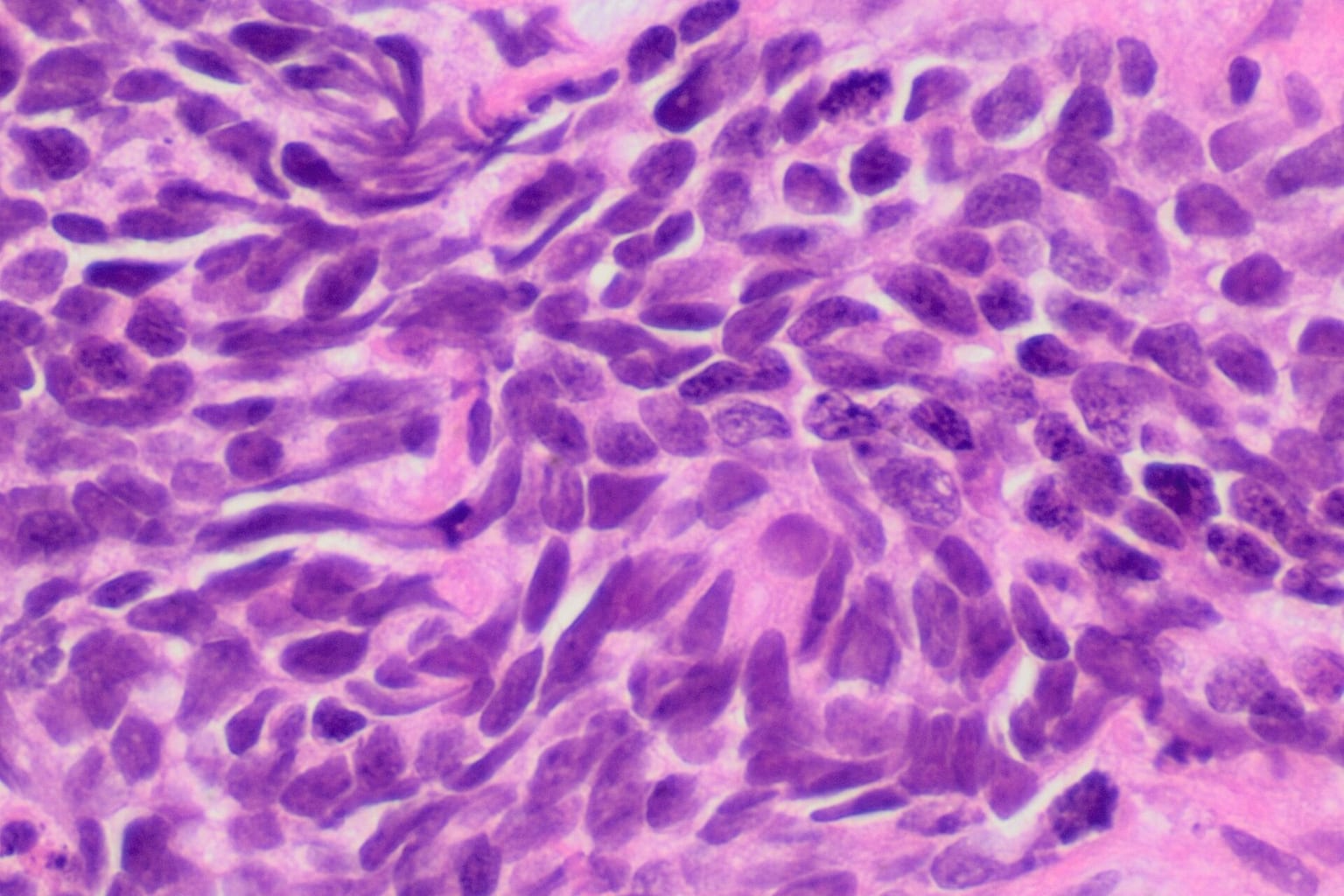
In a Cologne laboratory, the experiment comes down to one missing ingredient. Starve small cell lung cancer cells of the amino acid cysteine, and, as the University of Cologne team reports, all the cancer cells die. Yet the way they die depends on the state each cell is in: some succumb to ferroptosis, a process in which harmful oxidized fats accumulate in the cell membranes, while others undergo apoptosis, the controlled, programmed form of cell death.
Small cell lung cancer is particularly aggressive. It is often not diagnosed until it has reached an advanced stage and is difficult to treat, and its tumor cells are highly adaptable: they change state and, with it, their metabolism, which lets them adjust to changing conditions and sometimes evade treatment. To map those differences, the researchers combined several methods. They used transcriptomics to read the activity of genes across the full set of messenger RNA molecules, analyzed the complete range of metabolic products inside the cells, and used metabolic tracing to follow specific nutrients through the cancer cells' metabolic pathways. The work relied on cell culture, animal models and tumor models derived from patients.
The key lies in ASCL1, a regulatory protein that defines the cell state. Cells with low levels of ASCL1 die by ferroptosis. Cells with high levels resist it, because ASCL1 activates the GCH1 gene, which promotes the production of antioxidants that shield the cell from oxidative damage. When that protective route is also blocked alongside cysteine, tumor growth can be significantly slowed down in preclinical models.
“Our findings show that this diversity also conceals a common weakness,” says Dr. Silvia von Karstedt of the University of Cologne, co-senior author of the study. The dependence on cysteine is shared by the various cell states, even though those states respond to deprivation in different ways. If that shared dependence can be exploited while the tumor's other defenses are blocked at the same time, the team sees it as a possible strategy for preventing cancer cells from surviving.
For patients, nothing changes yet. The results come from cells, animals and patient-derived tumor models, and no clinical timeline has been announced. What the study does provide is a pair of targets to pursue: the cysteine dependence common to all the tested cell states, and the ASCL1-GCH1 protective route that some cells use to escape it. The researchers now aim to characterize these protective mechanisms in greater detail and to find out how they can be specifically and therapeutically influenced.
Sources — read the originals(Paris time)
Read next
Comments
Loading the thread…
Sign in to leave a comment. Sign in