Mayo Clinic tests low-dose radiation on Parkinson's inflammation
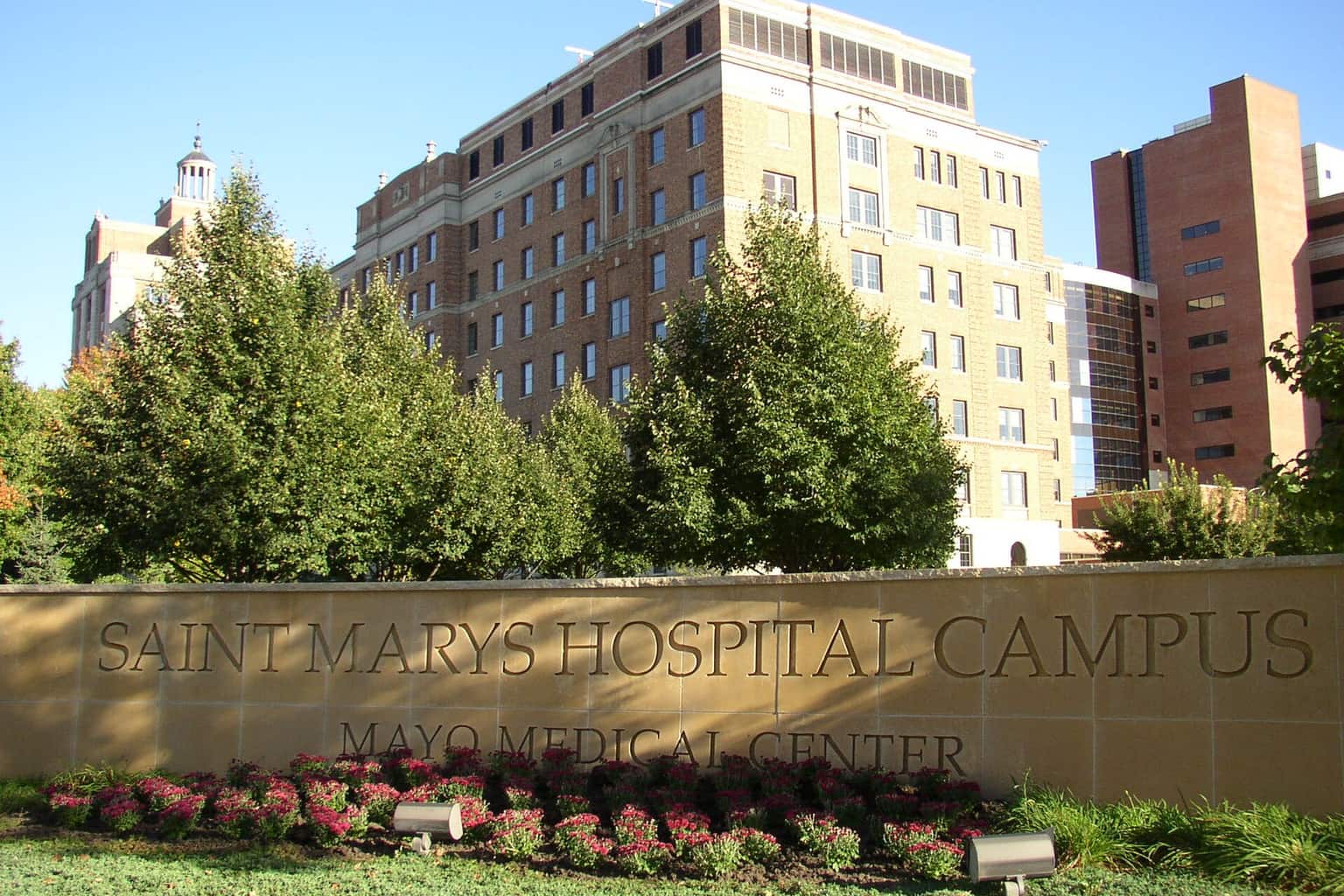
Yasamin Sharifzadeh, a Mayo Clinic radiation oncologist, leads a trial that asks a question few clinicians have asked: can five days of very low-dose radiation slow Parkinson's disease? The study, based at Mayo Clinic in Rochester, is the first to test low-dose radiation as an anti-inflammatory approach in patients with early-stage Parkinson's. It plans to enroll 20 participants.
Parkinson's is a movement disorder of the nervous system that worsens over time. It causes slowed movement, tremors, stiffness and problems with balance, and can bring cognitive changes, fatigue, depression and anxiety. It is linked to the gradual loss of brain cells that produce dopamine, a chemical that helps control movement, and to the buildup of abnormal proteins in and around brain cells. There is no cure. Current treatments focus on managing symptoms with medication and, for some patients, procedures such as focused ultrasound or deep brain stimulation. Radiation, for its part, is most often used at high doses to damage tumor cells. The trial reverses that logic: the doses are much lower, and the stated goal is not to destroy brain tissue but to reduce inflammation in specific regions.
The mechanics are precise. Before treatment, brain imaging maps each participant's anatomy and plans where the radiation will go, and blood samples are collected to measure biomarkers and assess physical, cognitive and emotional symptoms. Each participant receives one low-dose session a day for five consecutive days, lasting about 10 to 15 minutes. The radiation is confined to small areas believed to be involved in the disease, rather than the whole brain.
The trial's limits are clear. Rodolfo Savica, a Mayo Clinic neurologist and study investigator, notes that Parkinson's is not one uniform condition but a collection of related subtypes that may differ biologically. He says inflammation nonetheless "appears to play a meaningful role across many forms of the disease", yet the study covers only people aged 45 to 75 with early-stage disease and no known genetic cause. Its 20 participants are too few to show a clinical effect, and the trial is by invitation only.
For patients at an early stage, the immediate change is access to a study that tests a new way of addressing what happens inside the brain rather than only its symptoms. For the field, the value lies in the answer. Investigators say the findings could determine whether the approach should be studied further and would deepen understanding of the biological mechanisms behind the disease. The first biomarker readings come six hours after treatment, and the last scheduled measurements come at 12 months, so any verdict on slowing progression is still a year away from the final measurement.
Sources — read the originals(Paris time)
Read next
Comments
Loading the thread…
Sign in to leave a comment. Sign in