Melbourne skyscraper wraps its facade in 1,391 solar panels
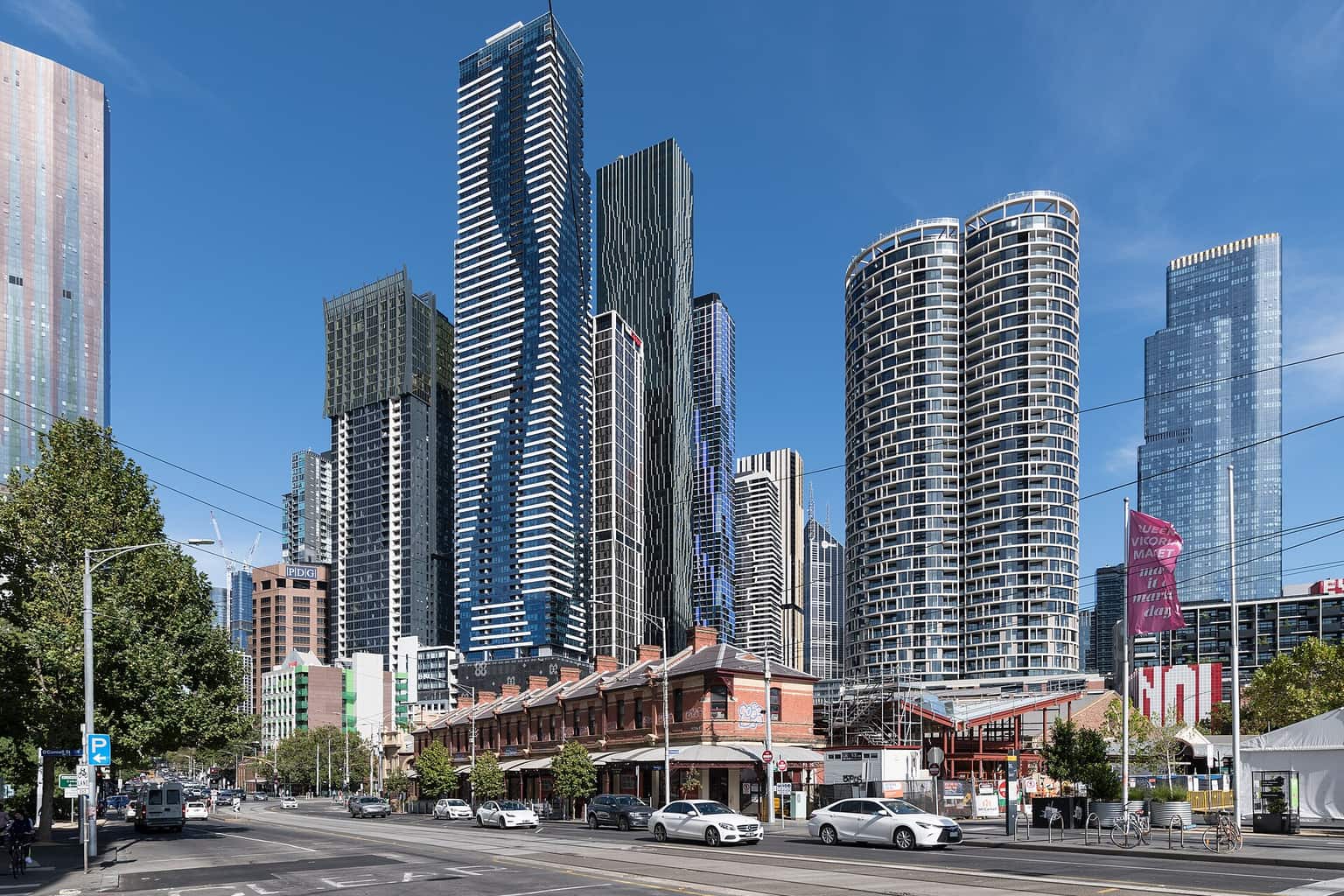
Its skin is made of 1,391 panels of translucent glass, set vertically into the walls, crown and roof of the 48-storey office tower at 435 Bourke Street, Melbourne. The installation is complete, and the system is capable of producing up to 375 kW at peak. Multiplex, the builder, announced the completion on 5 November; developer Cbus Property detailed it on 9 November.
Most solar panels sit on top of a finished building and can be removed without touching the exterior. Here the panels replace conventional materials such as cladding, glazing, shading and roofing, so they act both as part of the building and as its generator. Australian architects Bates Smart designed them into the tower's appearance. Ross Snowball, Multiplex's regional managing director for Victoria and South Australia, said that installing nearly 1,400 panels into the envelope required "not just technical smarts but also extensive coordination" between the façade, structural and services teams.
The system covers 2,679 m² across the facade, crown and rooftop, which extends solar generation to a dense city where roof space is limited. The developer's chief executive, Chris Kakoufas, says the glass also acts as a sunshade, lowering cooling demand. The figures come with limits: the claim of up to 20% of the building's base electricity demand is a design modelling estimate, not measured output, and the balance is to be supplied through an off-site renewable arrangement. Measured performance has not yet been published. Melbourne's earlier example, 550 Spencer Street, is an eight-storey office with 1,182 facade panels, completed in November 2024; the new system's peak capacity is more than double that one's.
Building rules are still catching up. According to The Good Builder, the building code in force in Victoria since 1 May 2026 still requires fixed standards for external walls of this type of building, so for most BIPV scenarios the approval route is a 'performance solution'. RMIT University research, funded by the Victorian Building Authority, warns that the DC voltages involved remain dangerous to firefighters even at low current, because the panels keep generating while there is daylight.
For the tenants of Cbus Property, the immediate gain is lower running costs and less electricity drawn from the grid. The developer says Commonwealth Bank has begun to occupy the building. The larger promise concerns skyscrapers: if a tower's walls can supply part of its power, its exterior stops being a passive shell. That promise is still to be tested here, since the system is due to be fully operational by the end of 2026, and the first measured figures will follow from there.
Sources — read the originals(Paris time)
Pages consulted while writing
Read next
Comments
Loading the thread…
Sign in to leave a comment. Sign in