MIT builds load-bearing shells by folding flat aluminum sheets
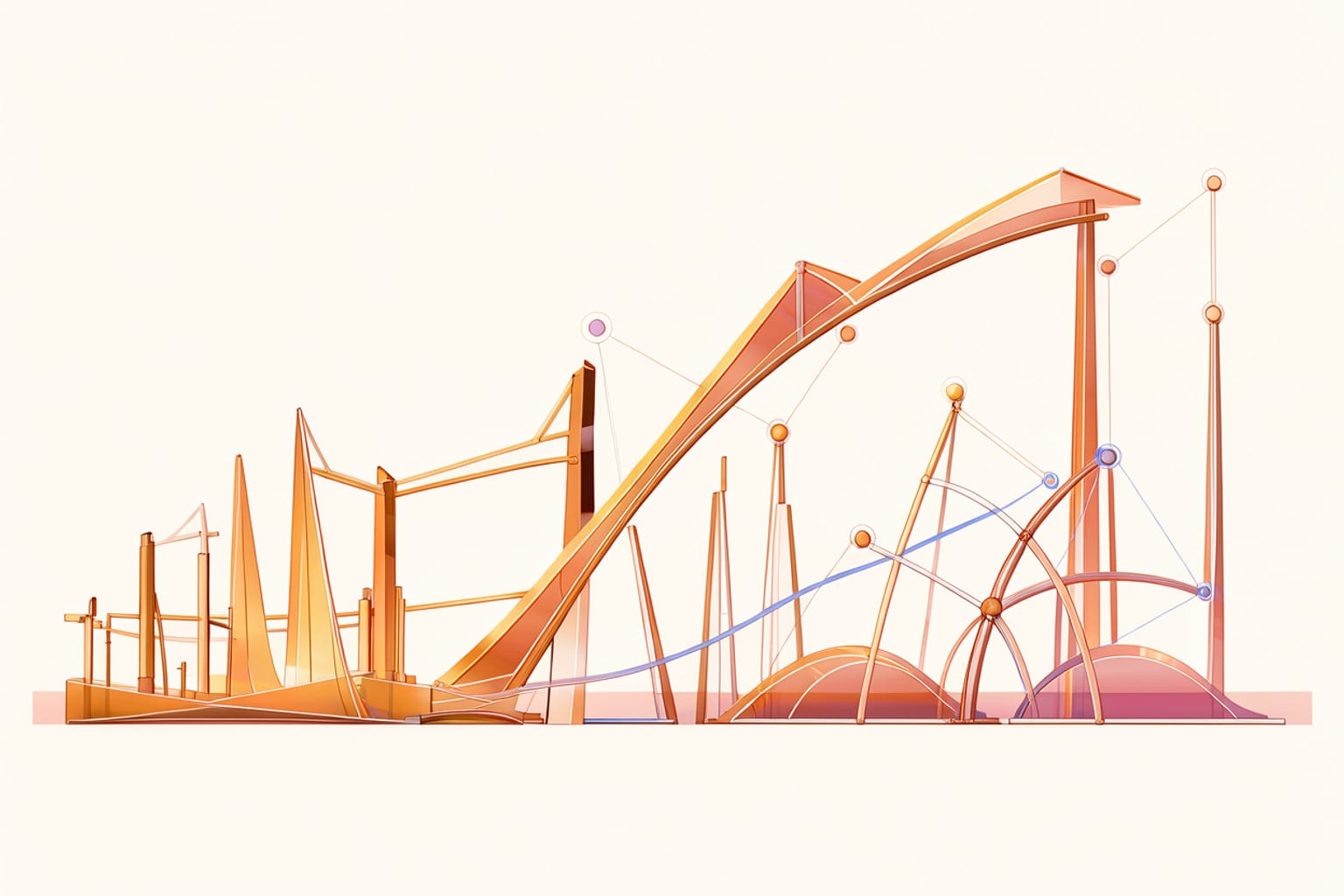
A 23-foot sculpture of folded aluminum hangs from the ceiling of the atrium at the Boston Public Library, and a team with no professional construction experience built the entire structure in a matter of days. The piece shows what the MIT researchers want their method to do: turn flat sheets into a load-bearing shell with no interior support columns.
The method starts from an old idea. In the 1960s, the artist and scientist Ron Resch built complex, honeycomb-like 3D shapes by folding a single piece of material. Alfonso Parra Rubio, a graduate student at the Center for Bits and Atoms (CBA) at MIT, took a different path while working in the Tachi lab: each unit cell is folded separately. He combined two tripod-shaped cells from a Resch tessellation into one building block with zero degrees of freedom, meaning it is completely rigid and locked in place. Connected together, these blocks form an interwoven lattice that is very stiff and very light.
Designing such blocks by hand would be enormously challenging. Erik Strand, another CBA graduate student, developed with Parra Rubio an automated solver that breaks a structure into many small subproblems, checks that each cell can be folded, and then assembles them globally. A CNC milling machine, a computer-controlled cutter, then cuts the blocks from flat sheets such as aluminum. On site, builders fold the units and join them with hand tools such as screwdrivers, without large-scale welding. Each cell is designed to adjust into place as the structure goes up, so the structure can only exist in one configuration.
The paper reports structures many times stiffer than some other structural origami, using about two-thirds as much material. Simulations put the gain at about 3.5 times stiffer than some other origami-based techniques. These are simulated figures, and the largest build so far is a sculpture, not a building: the team wants to test the approach on larger architectural structures next. Parra Rubio says the resulting structures could be strong enough for some architectural uses.
For disaster relief, the appeal is logistics. Shelters could travel efficiently as flat panels and be set up quickly by workers after an earthquake or flood. The same modules could serve airplanes, modular robots, building facades or sound-dampening panels. No timeline has been announced for any of these uses. The next steps the researchers name are concrete: test larger architectural structures, explore unit cells with more complex geometries that could add strength or stiffness, and build a user-friendly design interface.
Sources — read the originals(Paris time)
Read next
Comments
Loading the thread…
Sign in to leave a comment. Sign in