Moore Threads Says Kimi K3.1 Pro Runs on Its MTT S5000 GPUs
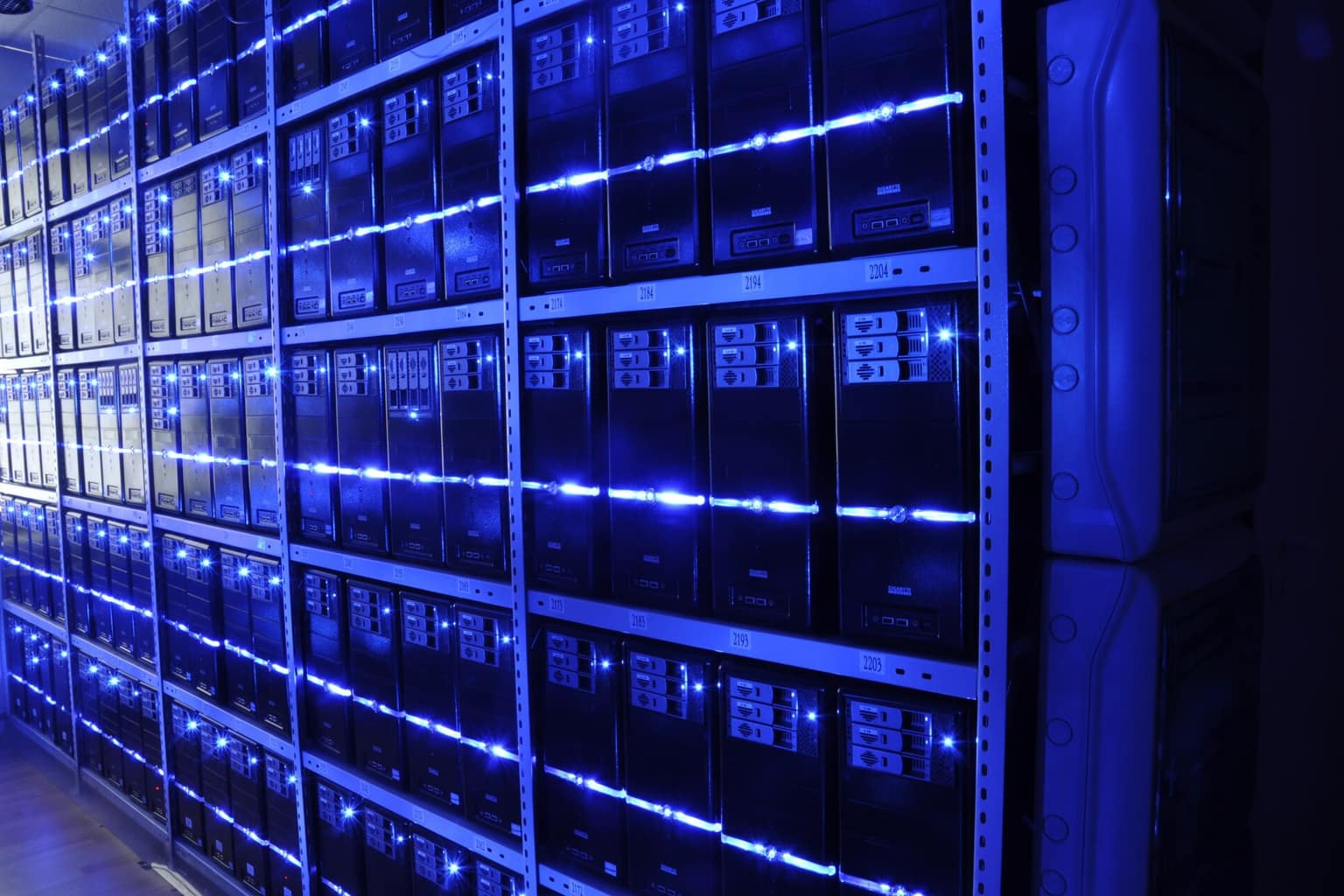
Moore Threads has got Moonshot AI's Kimi K3.1 Pro running on its MTT S5000, a card built for AI training and inference. In a day-zero adaptation, the company says the model loads, starts as a service and handles basic text and image inference. The announcement, reported on November 6, came after Moonshot released the full model weights on November 4.
Bringing a new model onto a chip is rarely a matter of plugging it in. Moore Threads built on SGLang-MUSA, a framework layer that sits on top of the model's upstream code, and used the MATE operator library, Triton-MUSA, TileLang-MUSA and the MTCC compiler. MUSA is the company's software stack. It covers framework execution, the compilation of mathematical operations, the device runtime, and communication across several cards, so developers can keep their existing interfaces while adapting new computation paths.
Most of the model-specific work concerned attention, the step where a model decides which parts of the text matter, and the memory that holds earlier tokens while the model generates text. For DSA sparse attention, which looks at a selected subset of earlier tokens instead of all of them, the stack adapts index selection and the key-value cache, the memory layout that stores those tokens. Moore Threads says its MATE sparse-attention operators run alongside Kimi Delta Attention state management, cross-layer residual connections and visual attention to form the execution chain.
The model's MXFP4 expert weights, stored in a 4-bit format, posed another problem. Instead of generating a complete offline FP8 copy before serving, the team converts the weights online and reuses a single FP8 workspace across layers for expert computation. The company presents this as a way to bring a very large model into service without first preparing a separate full set of converted weights.
The figures come from the company, and the announcement leaves the key ones out. It gives no throughput, latency, power consumption or number of cards, and no measured service capacity or production setup. Day-zero is Moore Threads' own characterization of the work.
For operators weighing where to serve Kimi K3.1 Pro's open weights, the adaptation adds one more hardware option for a model aimed at coding, visual understanding and long-running agent tasks. What it does not yet show is how much load an MTT S5000 setup can carry, which will decide whether that option matters beyond the first demonstration.
Sources — read the originals(Paris time)
Read next
Comments
Loading the thread…
Sign in to leave a comment. Sign in