mRNA treatment improves heart function in mice after heart attack
Scientists at the University of Cambridge have found a way to make heart muscle cells divide again in mice. Using a temporary mRNA therapy, the team reawakened these cells after a heart attack, and the hearts of treated mice pumped around 10% more blood with each beat than those of mice given a mock treatment.
The therapy briefly switches on two proteins inside heart cells, Myc and Cyclin T1. They prompt the cells to start dividing and help rebuild damaged muscle. Because the treatment is short-lived and localized, it is not expected to cause any permanent change to the heart cells, a design meant to reduce the risk of overgrowth. No adverse effects were seen in the mice.
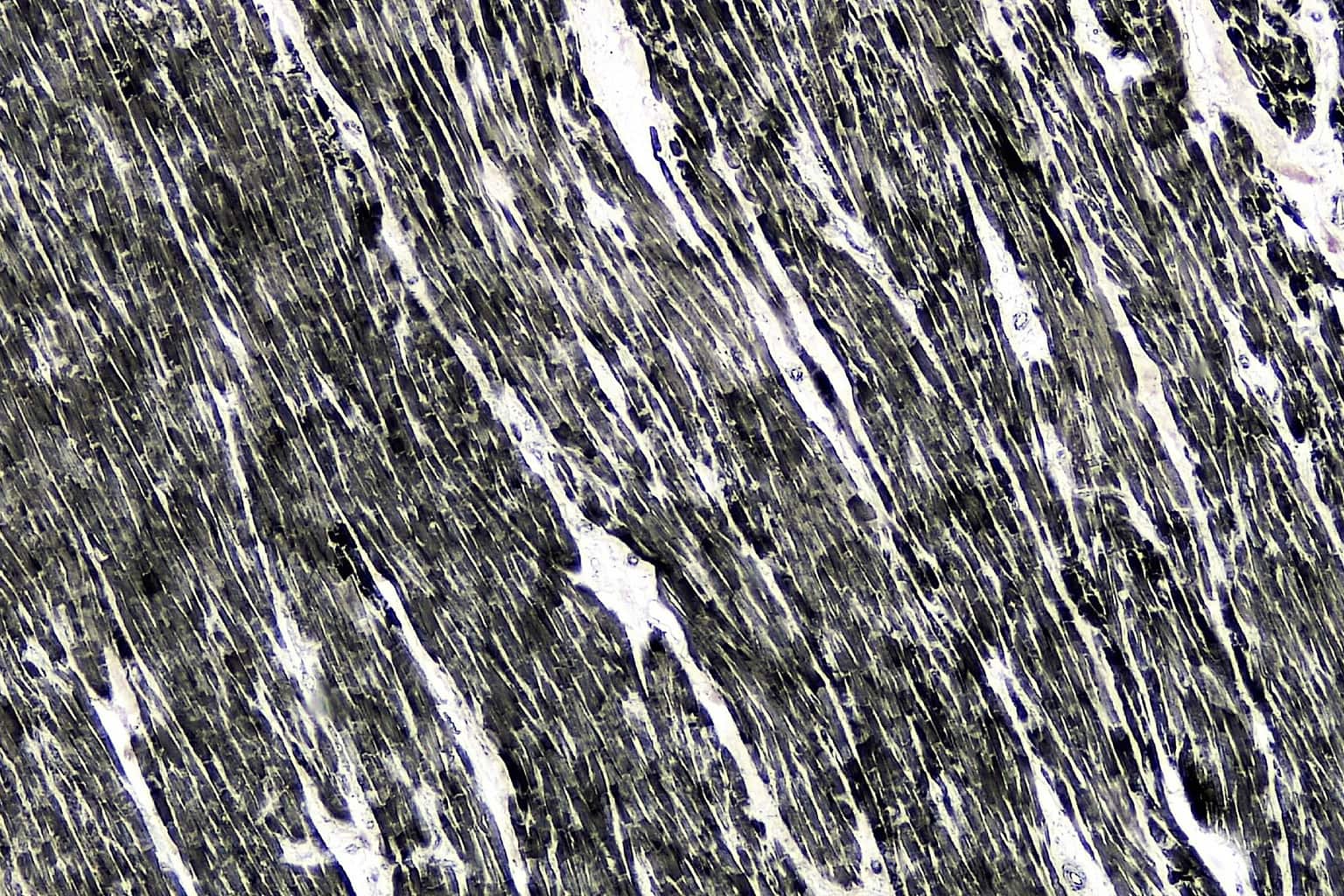
The gain held over time. The team assessed the hearts with an echocardiogram, a scan the researchers compare to looking at a baby inside the womb, and reassessed the mice after 28 days and after 12 weeks. In both cases the improvement in heart function was still there. Images of mouse hearts also showed where the therapy reached, with the mRNA surrounding the damaged cells.
The stakes are high. After a heart attack, an adult human heart can lose up to 1 billion heart muscle cells, and unlike many other organs, it cannot regenerate them. Around 200,000 people in the U.K. are diagnosed with heart failure each year. Bryan Williams, chief scientific and medical officer at the British Heart Foundation, called getting the human heart to repair itself 'the holy grail for cardiologists', and said the gene therapy shows clear potential, while noting the research is in mice and still at an early stage.
For patients, the promise is a treatment that acts on the heart's own repair process rather than on symptoms alone. Dr Catherine Wilson, associate professor at Cambridge's Department of Pharmacology and Gurdon Institute and co-senior author of the study, said the approach 'could help the heart to repair itself'. The study's authors note that even small improvements in heart function have been linked to lower mortality in patients and a better ability to carry out daily activities. The results are published in Nature Cardiovascular Research. Further trials in larger animal models, and then in humans, are needed to fully establish its safety and effectiveness.
Sources — read the originals(Paris time)
Read next
Comments
Loading the thread…
Sign in to leave a comment. Sign in