New lab method predicts how iron ore behaves in blast furnaces
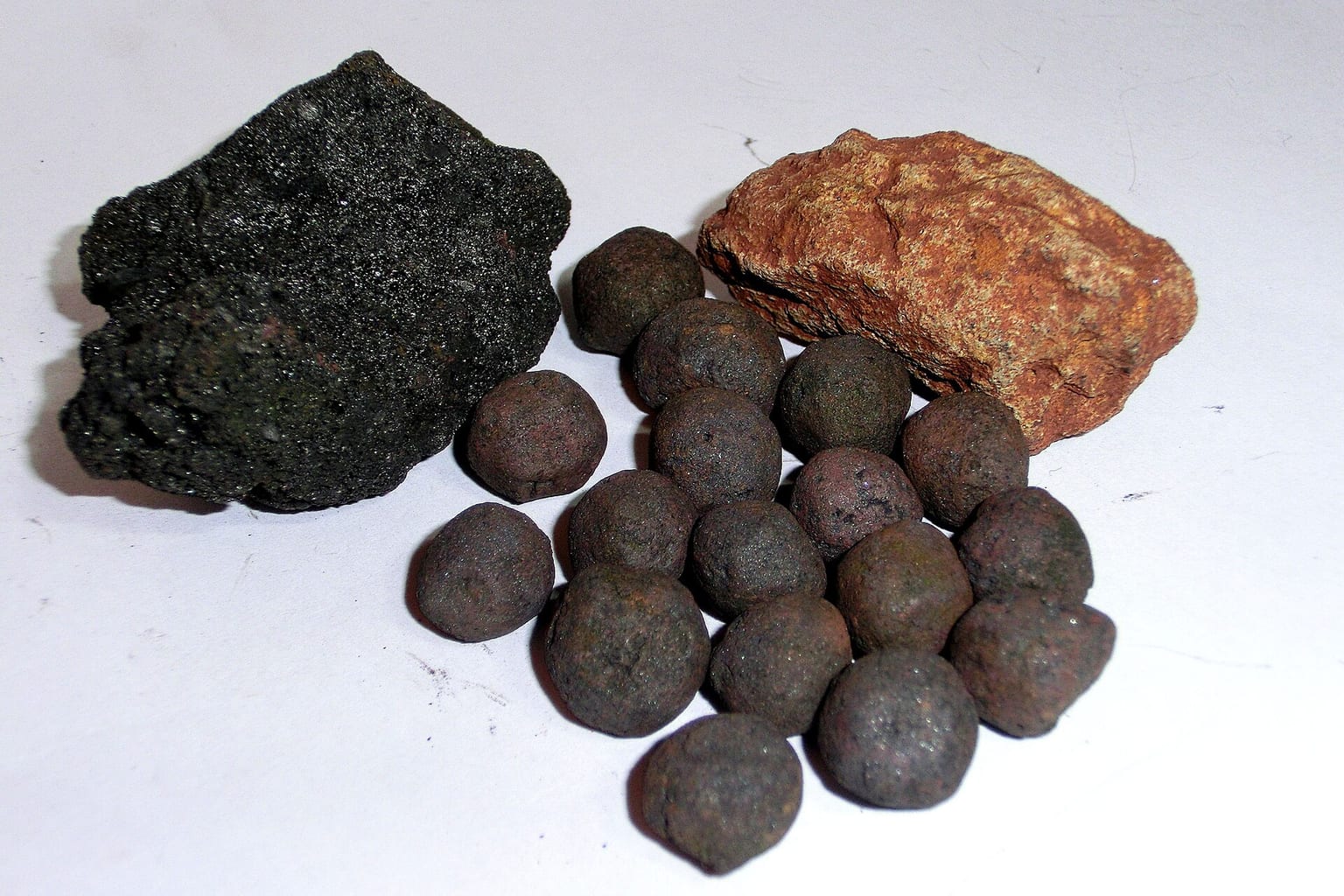
Inside a blast furnace, iron ore pellets soften and melt under the weight of the material above them. As they deform, they narrow the spaces between them, and the gas that has to climb through the furnace finds less room to pass. Researchers led by associate professor Shungo Natsui at Tohoku University have found a way to watch that deformation happen and to put a number on it.
Hydrogen-based technologies are a promising path toward lower-carbon steel, but conventional blast furnaces will remain important during the transition. Until now, experiments have largely relied on measurements of overall bed shrinkage and gas pressure loss. That makes it difficult to determine how changes inside individual pellets contribute to the behavior of the whole packed bed.
The team worked with Tata Steel Europe, Delft University of Technology and the National Institute of Advanced Industrial Science and Technology (AIST). They ran high-temperature experiments that reproduced blast furnace conditions and used high-energy X-ray computed tomography (CT) to rebuild the internal structure of the pellets in three dimensions. They then used a particle-based simulation called Moving Particle Hydrodynamics-Implicit (MPH-I) to reproduce the observed deformation. Comparing the simulation with the CT images let them estimate the effective yield stress of the iron-rich shell, that is, how much stress the material can take before it deforms permanently. Measuring that property directly under furnace conditions is challenging.
The pellets change in stages. At 1,300°C, a relatively rigid shell of metallic iron helped them carry the load. At 1,400°C, slag-forming components became concentrated inside the pellets as they softened. By 1,550°C, the pellets had melted enough for liquid material to drip away.
The key advance is that the mechanical properties of a pellet can be estimated from its observed three-dimensional deformation, rather than only from the behavior of the whole bed. The researchers say this could help predict the deformation of iron ore beds and assess how different raw materials perform at high temperature. For steelmakers, that means a way to compare ores before they reach the furnace, at least in principle. The team plans to apply the method to other iron ore types and to hydrogen-rich environments, but it gives no date, and the results so far come from laboratory experiments.
Comments
Loading the thread…
Sign in to leave a comment. Sign in