Newer pacemaker technique cuts heart-block risk 59% in trial
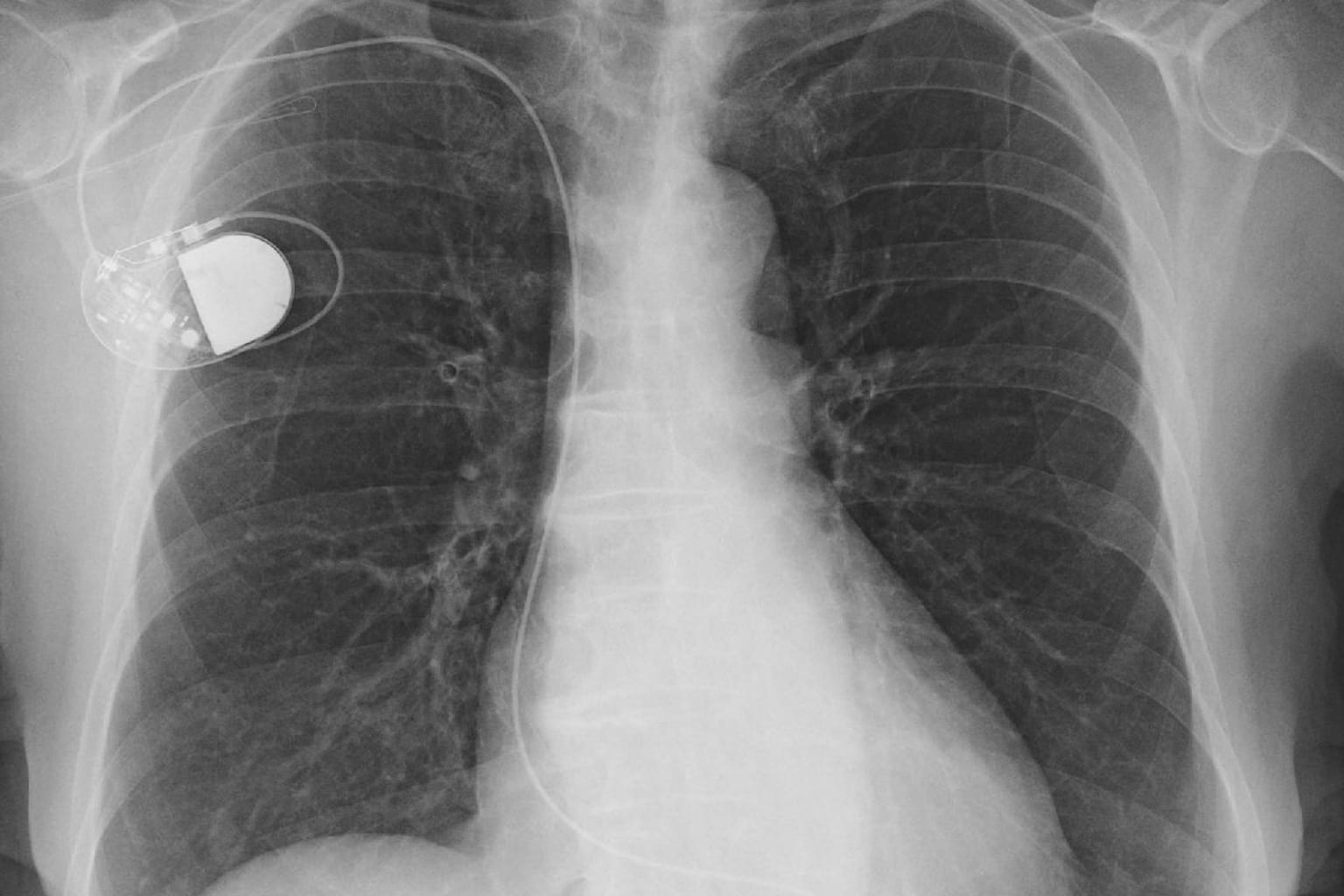
The 59% figure is the headline, but the detail behind it is what doctors will read first. At the American Heart Association's Scientific Sessions in Chicago, researchers presented an independent, preliminary result: people with heart block who received left bundle branch pacing had a 59% lower risk of death, heart failure hospitalization or cardiomyopathy than those who received the standard pacemaker method.
Heart block delays or interrupts the electrical signals that run from the upper chambers of the heart to the lower ones, and it can cause very slow heartbeats, fainting and, in severe cases, cardiac arrest. For decades, the usual treatment has been right ventricular pacing, which sends pulses into the heart's lower right chamber. It prevents the slow beats, but it stimulates one side only, so the two lower chambers contract out of step. Over time, that imbalance may enlarge or weaken the heart muscle, a condition called pacing-induced cardiomyopathy, and can contribute to heart failure.
Left bundle branch pacing takes a different route. It sends the signal into part of the heart's own electrical pathway, mimicking the natural order in which the heart's chambers are activated, so the lower chambers squeeze in a more coordinated way. The OptimPacing trial tested this against the standard approach in 685 adults with an average age of 68.4 years, 57.5% of them men, at 17 centers across mainland China, Hong Kong, the United Kingdom, Poland and the United States, between June 2021 and January 2025. At four years, an estimated 8.5% of the newer-method group had died, been hospitalized for heart failure or developed pacing-induced cardiomyopathy, against 19.2% in the standard group. No participant on the newer method developed pacing-induced cardiomyopathy, compared with 11.7% on the standard method, and heart failure hospitalization fell from 2.9% to 1.5%.
The trial was stopped early. After a planned interim analysis, at a median follow-up of three years, the independent data monitoring committee recommended ending it because the newer method had met the pre-established threshold for superiority. The authors acknowledge the trade-off: early termination could overestimate the benefit and reduce the precision of the estimates. Most participants began with normal heart pumping strength, so the results may not carry over to people with already reduced function. All procedures used the same type of lead, so it is unknown whether the findings hold for other pacing tools. Lead author Jiangang Zou, a cardiology professor at First Affiliated Hospital, Nanjing Medical University, said the gap was "greater than we expected".
For patients with heart block who need a pacemaker, what changes now is the conversation with their cardiology team. Zou said the results suggest left bundle branch pacing should be the first choice, and that patients should ask which approach fits their condition. The trial does not yet settle which technique suits which patient. The next step, in the authors' words, is future research to refine that match and to compare other pacing approaches that follow the heart's natural electrical pathway.
Sources — read the originals(Paris time)
Read next
Comments
Loading the thread…
Sign in to leave a comment. Sign in