NHS hospitals now use a tool flagging drug risks for older patients
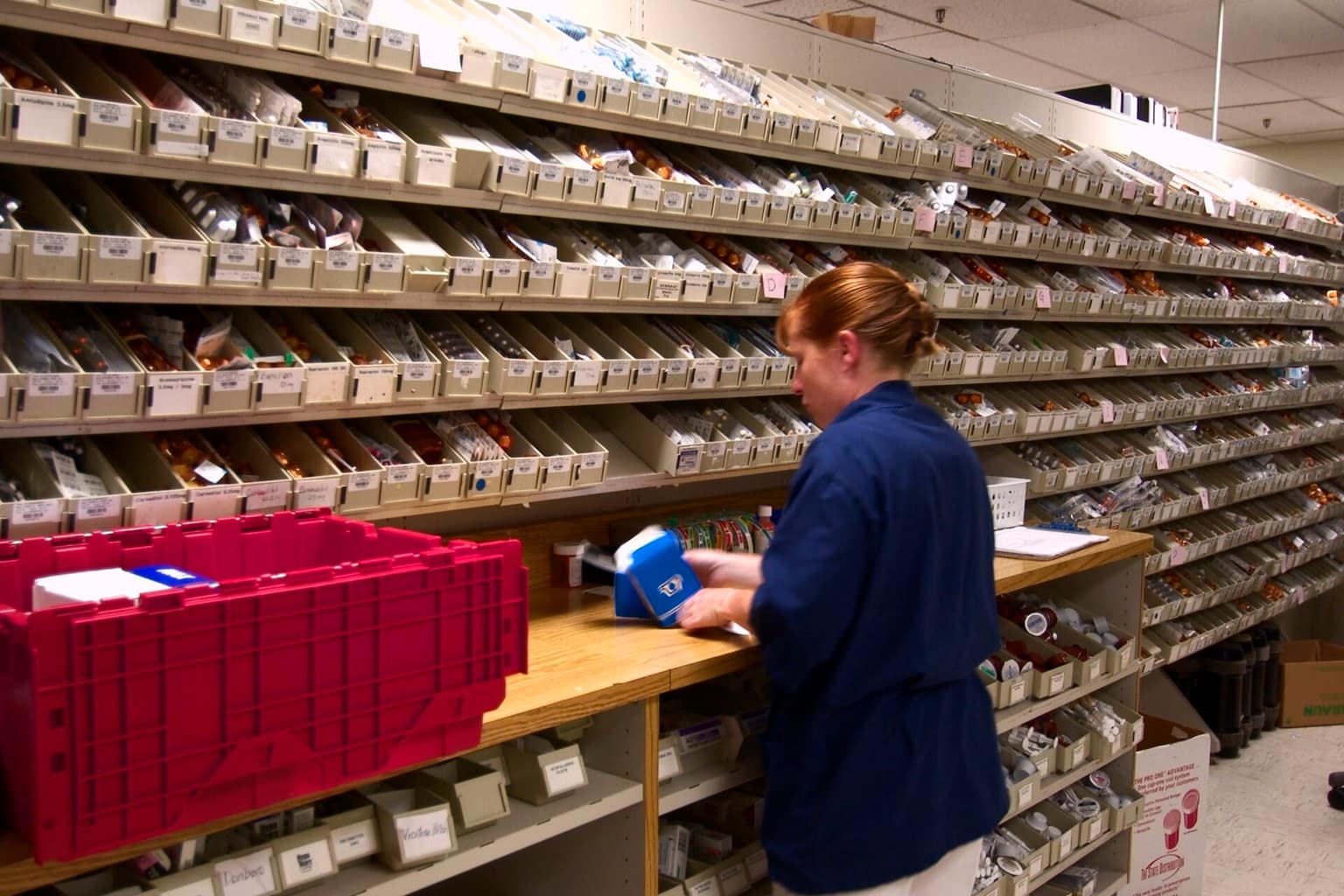
In Bradford, pharmacists who wanted to find the older patients most at risk from their medicines had to check them one by one. A tool developed by researchers at the universities of Leeds and Liverpool and the Bradford Institute for Health Research now produces that list automatically, and two NHS trusts already run its hospital version.
Some of the most common medicines carry anticholinergic effects even when that is not their purpose. Taken together, they add up. This combined load, known as anticholinergic burden, can raise the risk of delirium, falls and dementia, particularly in older people, and brings side effects such as constipation, problems emptying the bladder and dry mouth. Approximately 50% of older adults in the U.K. are prescribed at least one anticholinergic medication each year, and Dr. Best notes that a drug of this kind is sometimes the right treatment, but that the burden can build up quickly across many prescriptions.
The Anticholinergic Medication Index, or ACMI, scores each patient's burden according to their risk of delirium or falls. It also gives a one-year predicted risk of a fall or delirium and lists the medicines contributing to the score. The team built and tested it on health data from nearly 750,000 adults aged over 65, drawn from linked primary and secondary care records in West Yorkshire, and then checked it against a large national dataset of patients in Wales. The researchers say that makes it one of the largest studies of its kind.
The main change is inside the clinical software. The hospital calculator, ACMICS, is embedded in the electronic patient record, appears at several points in the clinical workflow and recalculates automatically when an anticholinergic is prescribed or stopped. For a busy clinician, that replaces a separate online system with a score that is already there when the patient's file opens, and for the older patients who take several of these medicines, it means a flag when a review may be due. Dr. Aseel Abuzour, who led the hospital work, says the design came from observing clinical practice, and the team has written up a specification so that other NHS organizations can build an equivalent.
The next step is already under way. The team is piloting the ACMI in several geriatric medicine and orthopedic hip fracture wards to examine whether the tool can be rolled out more widely in secondary care. In primary care, it has been piloted in general practice offices in Bradford, where it produces each patient's list automatically before pharmacists begin their structured medication reviews.
Sources — read the originals(Paris time)
Read next
Comments
Loading the thread…
Sign in to leave a comment. Sign in