One vaccine builds antibodies against several food allergies
For people with food allergies, protection often means avoidance. The immune system attacks a protein that is harmless for most people, and in the worst cases the reaction can be life-threatening. The only treatment that may potentially cure these allergies exposes patients for several years to growing doses of the protein they cannot tolerate. Because of the effort and discomfort involved, many people simply avoid the foods in question, along with anything that might trigger a cross-reaction.
The DTU team takes a different route, starting from a shared molecular structure. Several widespread allergens, found in peaches and certain nuts, have common features. The researchers designed a synthetic allergen carrying those features and packaged it in lipid particles inside an mRNA vaccine, the same technology used during the COVID-19 pandemic. The mRNA acts as a kind of Trojan horse: rather than giving patients the real allergen to build tolerance, it gives the body instructions on how to handle it. The goal is for the immune system to produce antibodies that recognize and block the related allergens before they can cause a reaction.
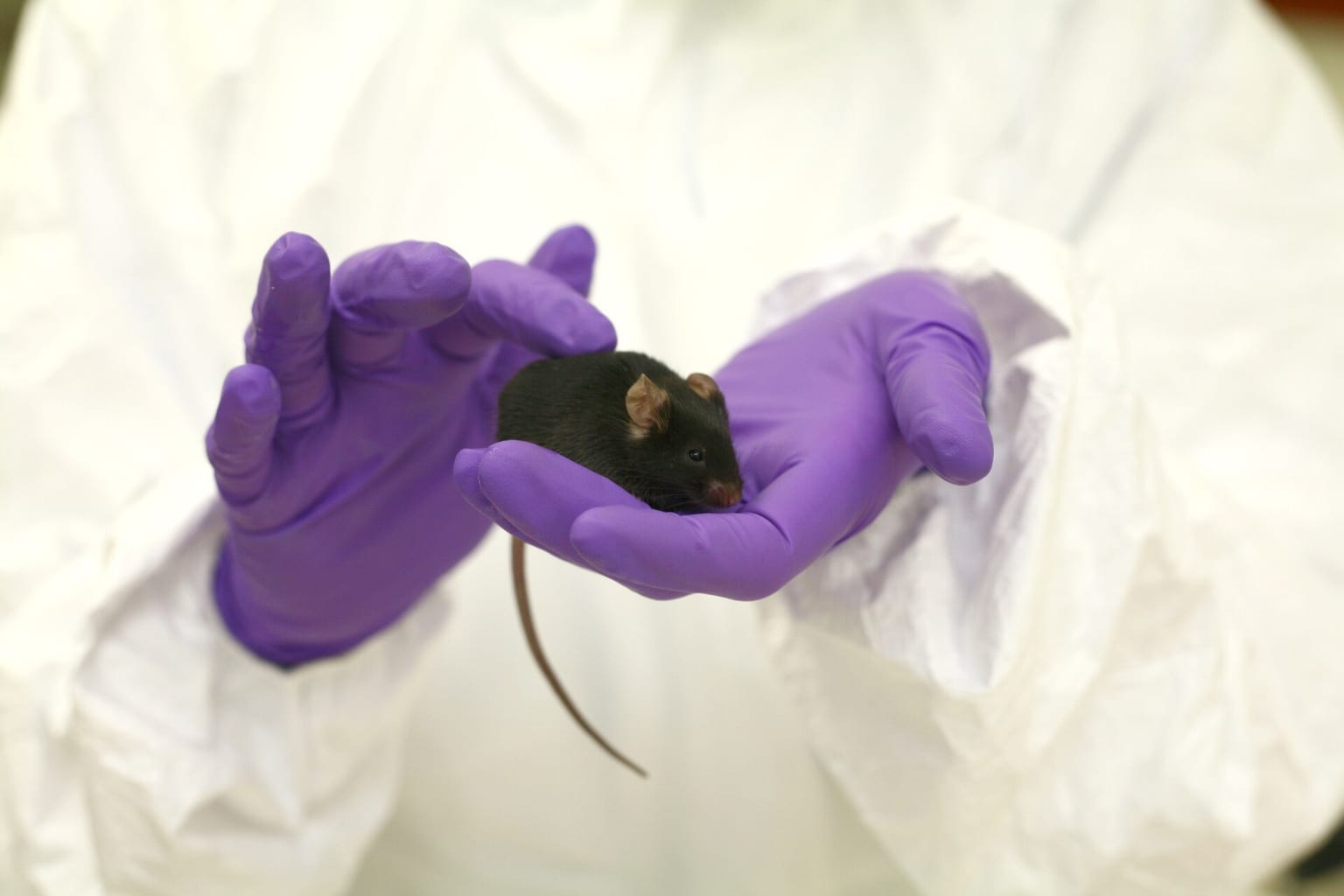
In mice, the results are encouraging. After a single dose, healthy mice produced large quantities of protective antibodies. After three doses at three-week intervals, they showed a strong antibody response with broad coverage against the targeted allergens. In allergic mice, antibodies protecting against the range of allergens rose markedly, with virtually no side effects observed. Laboratory tests on blood samples from allergic patients showed that these mouse antibodies reduced allergic reactions.
The limits are clear. At the concentration and number of doses tested, the vaccine did not fully protect allergic mice against anaphylaxis, the most severe reaction. The researchers plan studies on a larger group of mice to learn how often the vaccine should be given, and in what doses, to reach full protection. They describe the work as a proof of concept, showing that the idea is technically feasible, and they are refining the lipid particles that carry the allergen.
If the approach holds in humans, the change would be concrete for people allergic to several related foods, a group the researchers have targeted first because these allergens are especially widespread in southern Europe. The team hopes patients could eat what they like without checking ingredient lists. Its overarching aim is to generate the data needed for approval to test the vaccine in humans, and no date has been announced for that step.
Sources — read the originals(Paris time)
Pages consulted while writing
Read next
Comments
Loading the thread…
Sign in to leave a comment. Sign in