Open-source PilotDeck 2.0 lets AI agents run in separate workspaces
Picture an AI agent halfway through editing a video in one folder while, in another, it builds an iOS mini-game. Without a wall between the two, instructions from the first job can leak into the second. That is the problem PilotDeck 2.0 is built to stop. Released on October 15 by Tsinghua University's THUNLP lab with ModelBest, OpenBMB and AI9Stars, the open-source system is available on GitHub under the AGPL-3.0 license and runs on macOS, Linux and Windows, with Docker deployment also supported.
The core unit is the WorkSpace. Each project gets its own file system, memory store and skill set, so the two contexts stay fully separated. The team calls the leak "context pollution." Memory is also designed to be white-box: users see every entry the agent has stored, when it was written and which workspace it belongs to, and can edit, delete or pin entries directly, instead of writing prompts to make the agent forget. A Dream Mode merges and deduplicates scattered memories while the agent is idle, with one-click rollback if the clean-up loses an important detail.
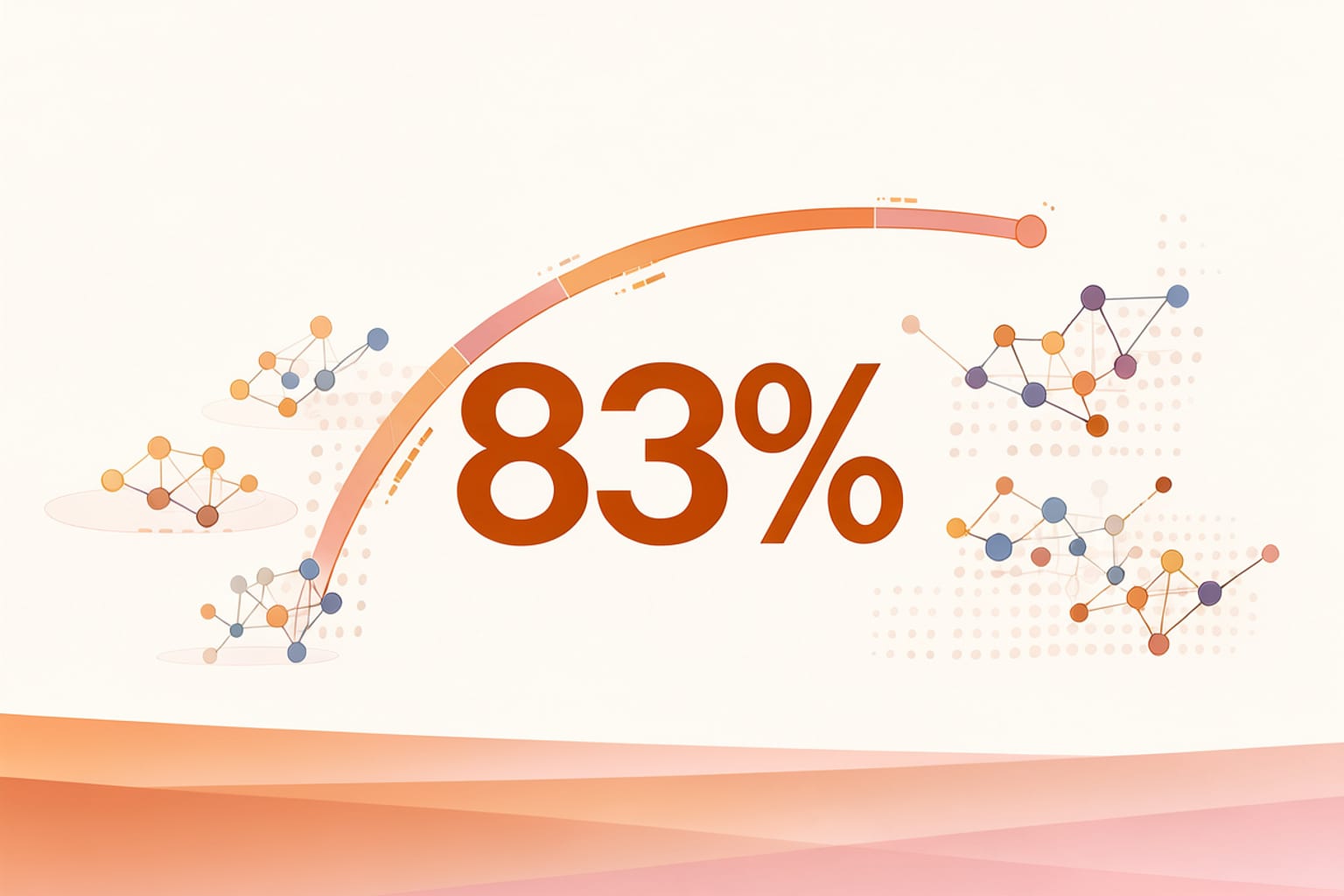
Smart Routing hands planning to a strong model and routine steps, such as formatting and polishing, to lighter ones. In a social-media workflow, the team says that using Claude Opus 4.5 as main agent and Sonnet 4.5 as sub-agent cut the cost of a run from $12.58 to $2.83. Across seven harder tasks, including multilingual podcast production and codebase documentation, pairing Claude Sonnet 4.6 with MiniMax-M2.7 scored 70.6 at $3.15, against 69.1 at $18.36 for Sonnet 4.6 alone, a saving of roughly 83%. On WorkBuddy Bench, PilotDeck running Qwen3.6-35B-A3B scored 79.1, against 77.3 for Claude Code. All these figures are the team's own; the release cites no outside check.
An Always-on mode keeps agents working after the chat window is closed. They run long monitoring jobs, surface candidate tasks and write results to local files with a progress summary. The system natively supports the Model Context Protocol, an open standard for connecting AI models to outside tools, and behaves the same across its web interface, its command line and enterprise messaging apps such as WeCom and Feishu.
For anyone juggling several agents on separate projects, the practical gain is fewer things to supervise and fewer surprises from old instructions. For people who pay per run, the routing approach is the number to watch, though the savings are the team's measurements on its own tasks, and they will mean less for a workload that looks nothing like those seven. The version is already downloadable; the sources give no timeline beyond that.
Comments
Loading the thread…
Sign in to leave a comment. Sign in