Paper circuit boards work in prototype devices, and can be recycled
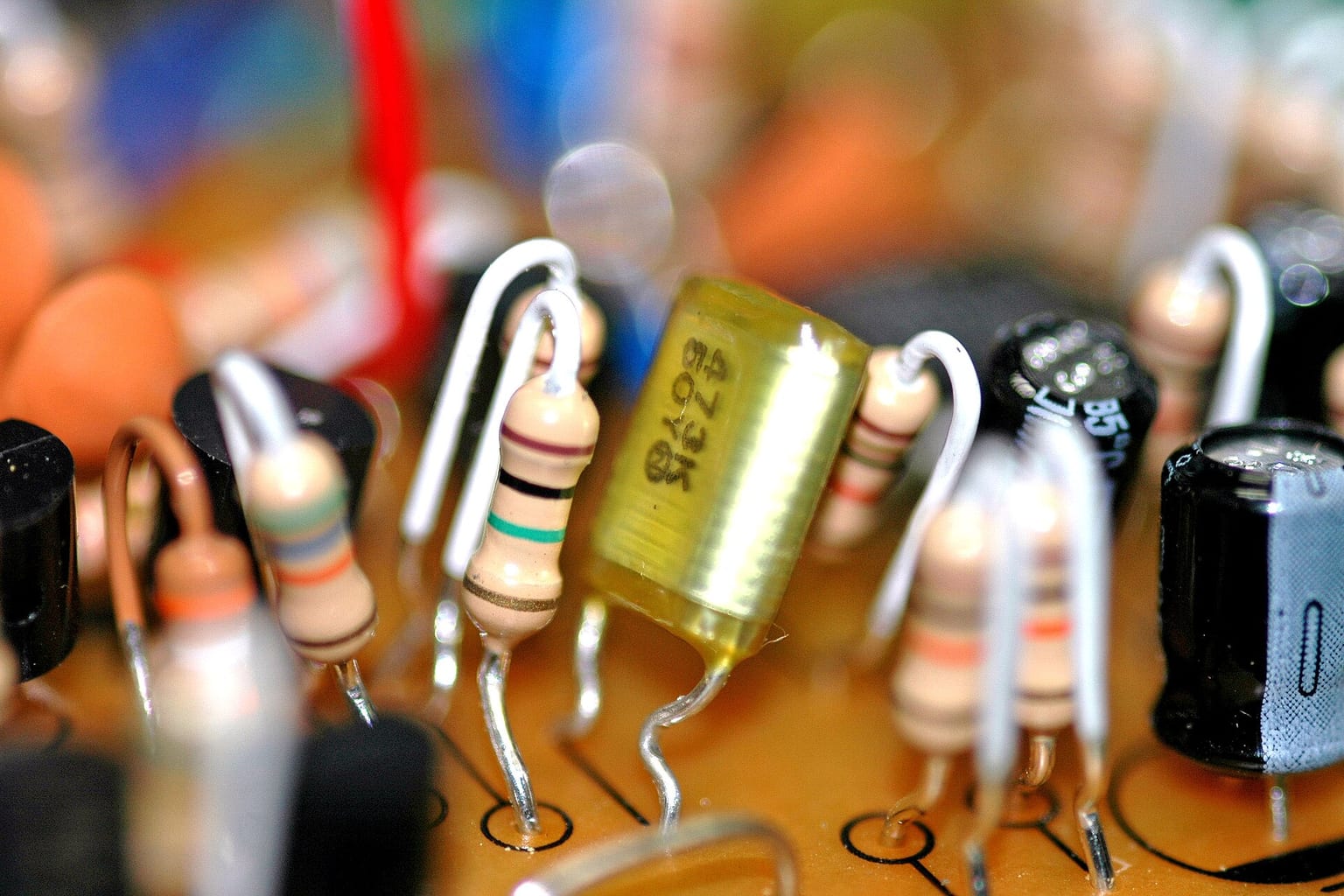
A glucose monitor for people with diabetes, a label that records how a sensitive shipment was handled, a greeting card that plays back a spoken message. Three everyday objects, and three circuit boards made of paper rather than fibreglass. A European project coordinated by the Fraunhofer Institute for Silicate Research has built them, and shows that the boards can be recycled through an adapted paper process.
The printed circuit board, or PCB, is the flat support that carries the wiring of almost every electronic device. Today's boards are built on FR4, a fibreglass cloth bound in epoxy resin. FR4 resists fire well, but the layers are bonded so intimately that the board is hard to take apart, and the FR4 composite cannot be recycled. The CircEl-Paper team asked whether paper could take its place.
The team worked on two fronts. The first tested paper composites as the base of a board, close to how boards are made today. The second applied printing techniques from printed electronics to paper fed off a roll, a method called roll-to-roll, which suits high-volume production. 'Both approaches can be combined,' says project coordinator Gerhard Domann. Together they produced double-sided boards and four-layer circuits, with holes linking the layers and electronic components mounted on the paper.
Three demonstrators put the method to the test. A glucose sensor printed roll-to-roll. A four-layer temperature-time sensor that follows sensitive goods during transport and storage. And a foldable sound card that records and plays back a message inside a greeting card. All three were built on the paper boards, and the team demonstrated that they can be recycled.
The road was not smooth. Paper has to be impregnated with flame-retardant substances before it can carry a circuit, and it must resist moisture and offer a surface smooth enough for printing. Domann puts the trade-off plainly: the better the paper's technical properties became, the greater their impact on the standard paper recycling route. Electroplating, the step that deposits metal on the board, also caused difficulties with recyclable paper. The team showed that it was feasible, and the paper maker Fedrigoni then developed the paper further to reconcile function with recyclability. The Society of Chemical Industry, which covered the project, notes that wood and paper cannot match the fire resistance of fibreglass, so the design has to take that into account.
The conductive tracks, the thin lines that carry current, are normally silver or copper. Silver conducts very well and resists oxidation, but life cycle assessments rate primary silver as critical because of the environmental impact of mining and processing it. The team therefore relied on recycled silver. VFP Ink Technologies developed the SECTR ink, which combines recycled silver with bio-based binders, is designed for industrial screen printing, and keeps high conductivity while resisting chemicals and heat. On the environmental side, QSAR Lab and Joanneum Research assessed the material options through life cycle and toxicity modelling. Fraunhofer ISC states that replacing FR4 could mean a reduction of up to 60% in CO₂-equivalent emissions for the ecological footprint, a figure the institute presents as an estimate.
The gain is clearest in disposable electronics: a sensor used once, a card used once. For a board that ends up in a single-use device, recycling through the paper stream removes the hardest step. The coordinator notes that more demanding applications can use circuits of greater complexity. The team gives no production date and no price for these boards.
Sources — read the originals(Paris time)
Pages consulted while writing
Read next
Comments
Loading the thread…
Sign in to leave a comment. Sign in