Plant compound boosts a cancer drug in lab and animal models
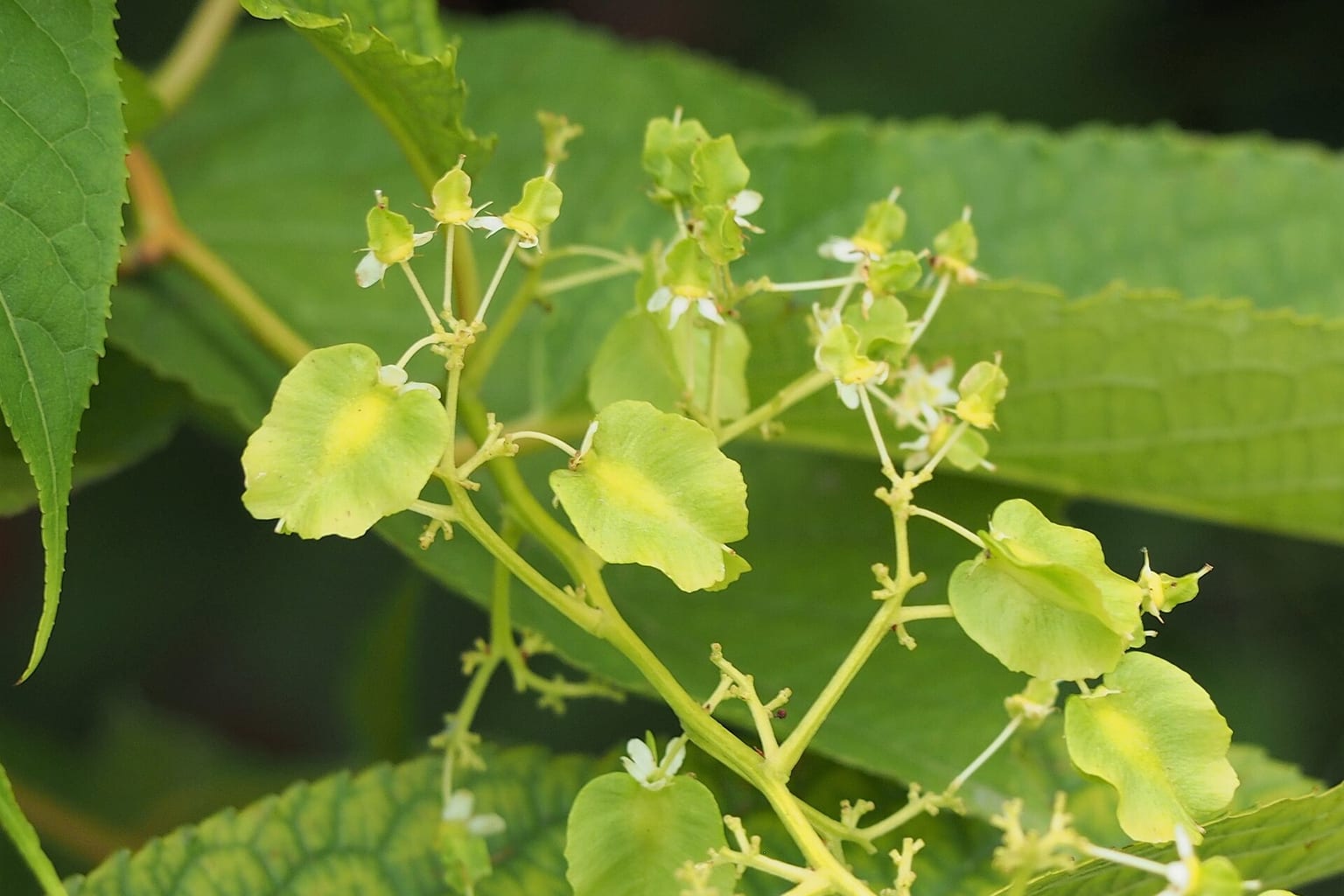
For cancer drugs that switch silenced genes back on, solid tumors have long been the hard case. DNMT inhibitors, drugs that undo abnormal gene silencing, have worked against some blood cancers, including myelodysplastic syndromes and leukemia. Against solid tumors, they have had limited success, because those tumors have built-in defenses that neutralize the drugs before they can act. A team at the Johns Hopkins Sidney Kimmel Comprehensive Cancer Center, led by senior author Vasan Yegnasubramanian, has now found one of those defenses and a way to block it. Their study was published August 26 in Nature Communications.
Cells use DNA methylation, a chemical tagging process driven by enzymes called DNMTs, to decide which genes stay on or off. Cancer cells exploit it: abnormal methylation shuts down the genes that normally keep uncontrolled growth in check. DNMT inhibitors such as decitabine remove that abnormal tagging, but first the drug must be converted inside the cell into an active form. That is where DCTPP1 comes in. The enzyme acts like a shredder, destroying the active form before it can be incorporated into DNA. In Yegnasubramanian's words, triptolide jams the shredder, so the drug survives long enough to restore tumor suppressor genes.
The team screened chemical libraries for compounds that could disable these defenses, and triptolide came out of that search. In laboratory-grown cancer cells and animal models, the combination with decitabine boosted the drug's ability to reactivate tumor suppressor genes and kill cancer cells. The researchers also found that high levels of DCTPP1 were associated with resistance to DNMT inhibitors. The work builds on an earlier study from the same group, published this year, which mapped the atomic structure of DCTPP1 and designed inhibitors that made prostate cancer cells more sensitive to decitabine. This time the route ran the other way: from a screen of compounds to the enzyme they block.
For patients, the promise is a broader reach for a drug class that today mainly helps blood cancers. Yegnasubramanian says that combining these standard therapies with triptolide or its derivatives may give clinicians a rational way to overcome resistance, potentially extending epigenetic therapy to a much wider range of cancers. The researchers give no date for human testing. The inventors have also filed a provisional patent related to the work.
The authors are careful about the limits. The findings are preclinical, and the study does not establish that the herb itself is a cancer treatment, since triptolide and related compounds were tested experimentally. The next step, the researchers say, is developing DCTPP1 inhibitors with the potency, safety and drug properties needed for testing in people.
Sources — read the originals(Paris time)
Read next
Comments
Loading the thread…
Sign in to leave a comment. Sign in