Preprint: Devilray tests fake-tower detectors with 2,592 attack variants
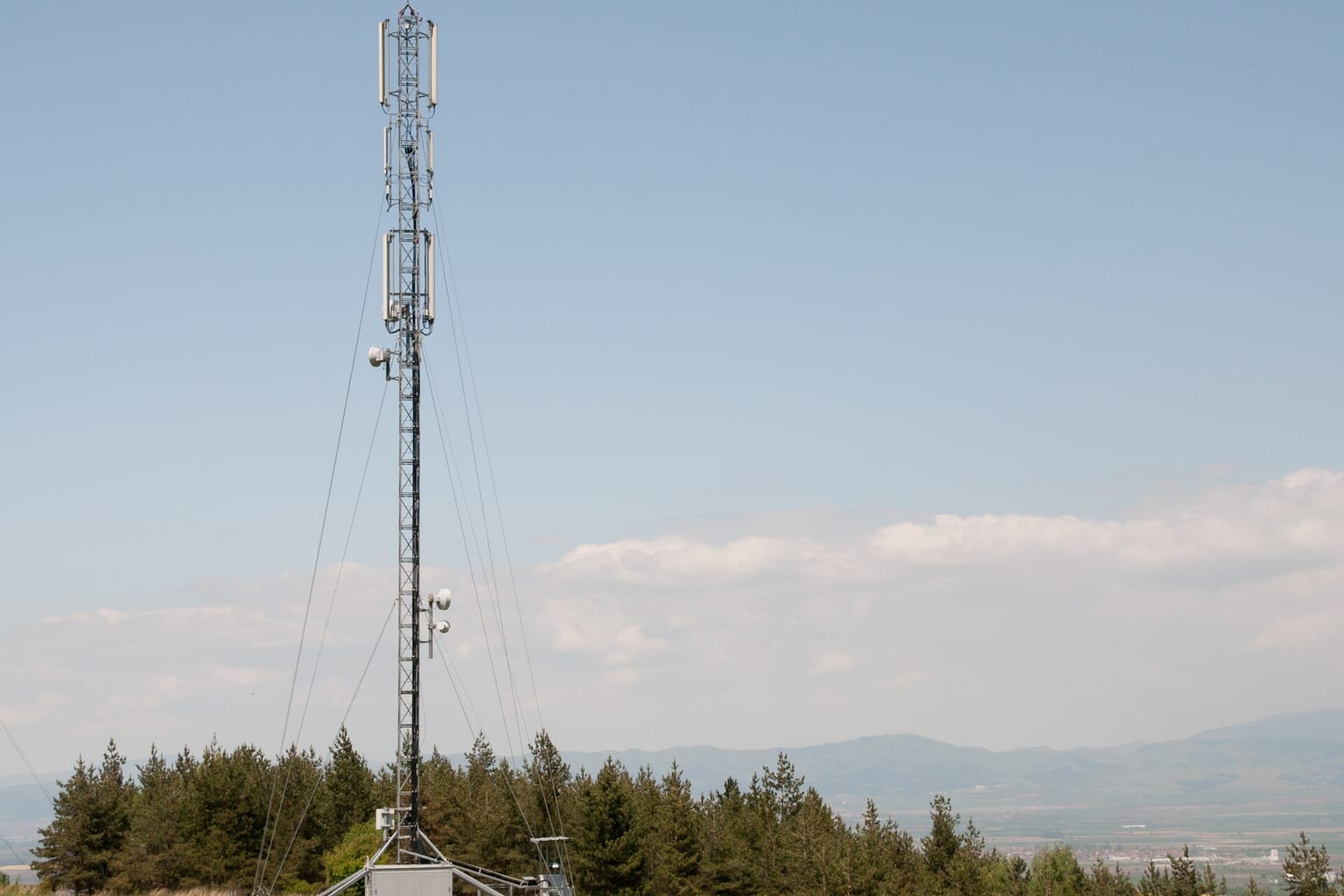
A fake cell tower can be a device carried in a car, driving through a city and sending texts that look like they come from your bank. For about 20 years, researchers have built tools to catch these devices, and they have mostly tested those tools against fake towers they built themselves. A team at the Korea Advanced Institute of Science and Technology (KAIST), led by electrical engineering professor Yongdae Kim, says that habit left real gaps. Its new platform, Devilray, reproduces 2,592 distinct fake-base-station behaviors, and every one of the seven existing detection systems it was run against missed at least 192 of them.
Devilray turns the usual order around. Instead of building a detector and then the attack to test it, the team mapped the attacker first. It began with a commercial fake base station sold to law enforcement and intelligence agencies, the first such device analyzed in an academic study. That device could copy the identity of a legitimate tower, hop between frequencies, run two networks at once and lower its power to cover only a few meters. The researchers then went through prior research and the 3GPP standards that govern cellular networks, and split an attack into four stages: surveying the local network, launching a fake cell, luring phones to connect and carrying out the attack.
Across those stages they identified seven dimensions an attacker can vary, then applied 21 dependency rules to remove combinations that could not occur in a real exchange. What remained were 2,592 configurations, and each one was run against real smartphones to confirm that the full procedure completed. That last check matters: a space built only from the specifications could contain thousands of combinations no phone would accept, and a baseline copied from one device would inherit that device's limits.
The gaps are not only in the detectors. LTE, the mobile standard that still carries most phone service in much of the world, has messages that a phone acts on before any authentication takes place, and it can be pushed down to older networks. These behaviors are written into the standard rather than being bugs a patch could remove. A fake tower can simply request the phone's permanent identifier, the move watched for by Rayhunter, the open-source detector from the Electronic Frontier Foundation. It can also send a rejection that makes the phone reconnect and hand over the identifier unasked. The standard allows both, and a detector watching one door does not see the other. 5G phones fall back to LTE whenever 5G is unavailable or an attacker forces them to, so these weaknesses stay in the field for as long as LTE does.
For carriers, investigators and the people who build detectors, the immediate change is in how a detector is judged. A score means something only against attacks an adversary could really mount, not against the one a team happened to build. The researchers argue that the question should be what an attacker would do instead, rather than whether a detector catches a known attack. Devilray is a 2,592-configuration map of that question. It is published as an arXiv preprint, and its 2,592 configurations describe what the platform can reproduce, not attacks observed in the wild.
Sources — read the originals(Paris time)
Read next
Comments
Loading the thread…
Sign in to leave a comment. Sign in