Puerto Rico's grid drew on home batteries 18 days straight
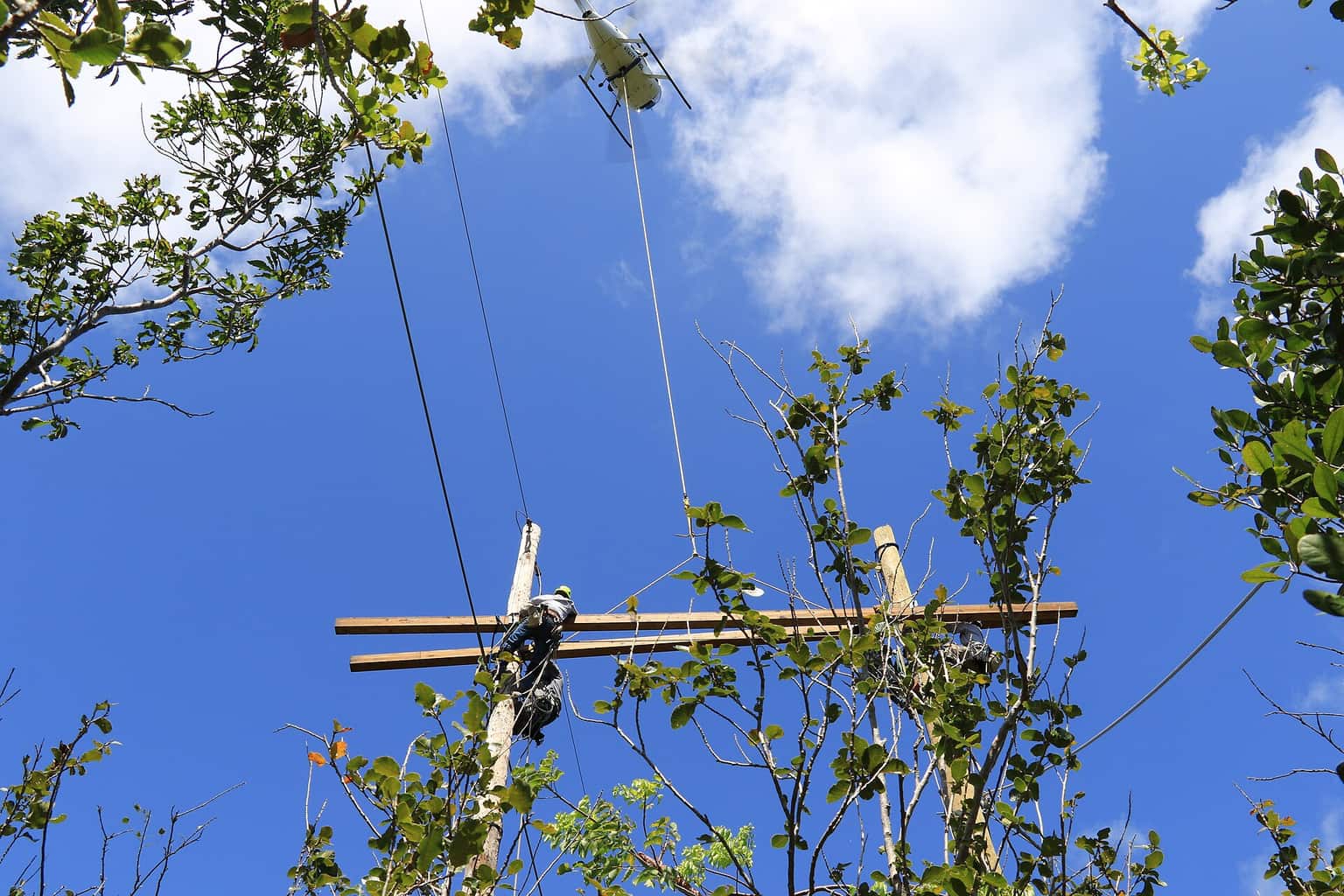
On October 13, as Puerto Rico entered a spell of unusually hot weather, the grid began calling on home batteries every day. It kept doing so for 18 straight days in October. The batteries belong to households and were already installed.
Sunrun's virtual power plant, or VPP, does not generate electricity itself. It connects batteries across thousands of properties and coordinates them so they supply power together. The company says its network in Puerto Rico has doubled to more than 60,000 customers and now includes nearly 70,000 batteries. Those batteries frequently deliver 45 MW for four hours at a time. The network grew from around 4,000 customers in 2024 to more than 30,000 in 2025, and it has been dispatched more than 60 times since April.
The mechanism rests on Puerto Rico's Customer Battery Energy Sharing program, known as CBES. LUMA, the island's grid operator, calls on it when it expects electricity demand or reserve needs to exceed available generation. Companies such as Sunrun then manage the battery response automatically. Homeowners are paid for sharing energy and choose how much to keep for backup. Sunrun, which says it is the largest aggregator in the program, earns recurring revenue for running the network. Across all of CBES, LUMA reported in July that more than 90,000 participating customers had helped provide an average of 75 MW during generation shortfalls.
The problem these batteries address is old and costly. Residential electricity averaged 26.36 cents per kilowatt-hour in August, against a US average of 18.16 cents, according to the US Energy Information Administration (EIA). According to the EIA, customers averaged 36 hours without power in 2025, even excluding major events, up 19% from 2024. Mainland US customers generally experience about two hours a year under the same measure. Major events added another 23 hours of outages on the island.
The limits are clear too. In an April regulatory filing, participating aggregators said the program could not prevent every rolling blackout in 2025, because some supply gaps exceeded its roughly 50 MW of four-hour capacity.
For homeowners who already have a battery, it can earn money and help keep the lights on during a shortage. For the grid, the gain is that it can use equipment already in place instead of waiting for a new power plant to be built. The aggregators are now looking to enroll more batteries so the program can cover larger shortfalls.
Sources — read the originals(Paris time)
Read next
Comments
Loading the thread…
Sign in to leave a comment. Sign in