Quantum model flags lung cancer at 91.9% accuracy
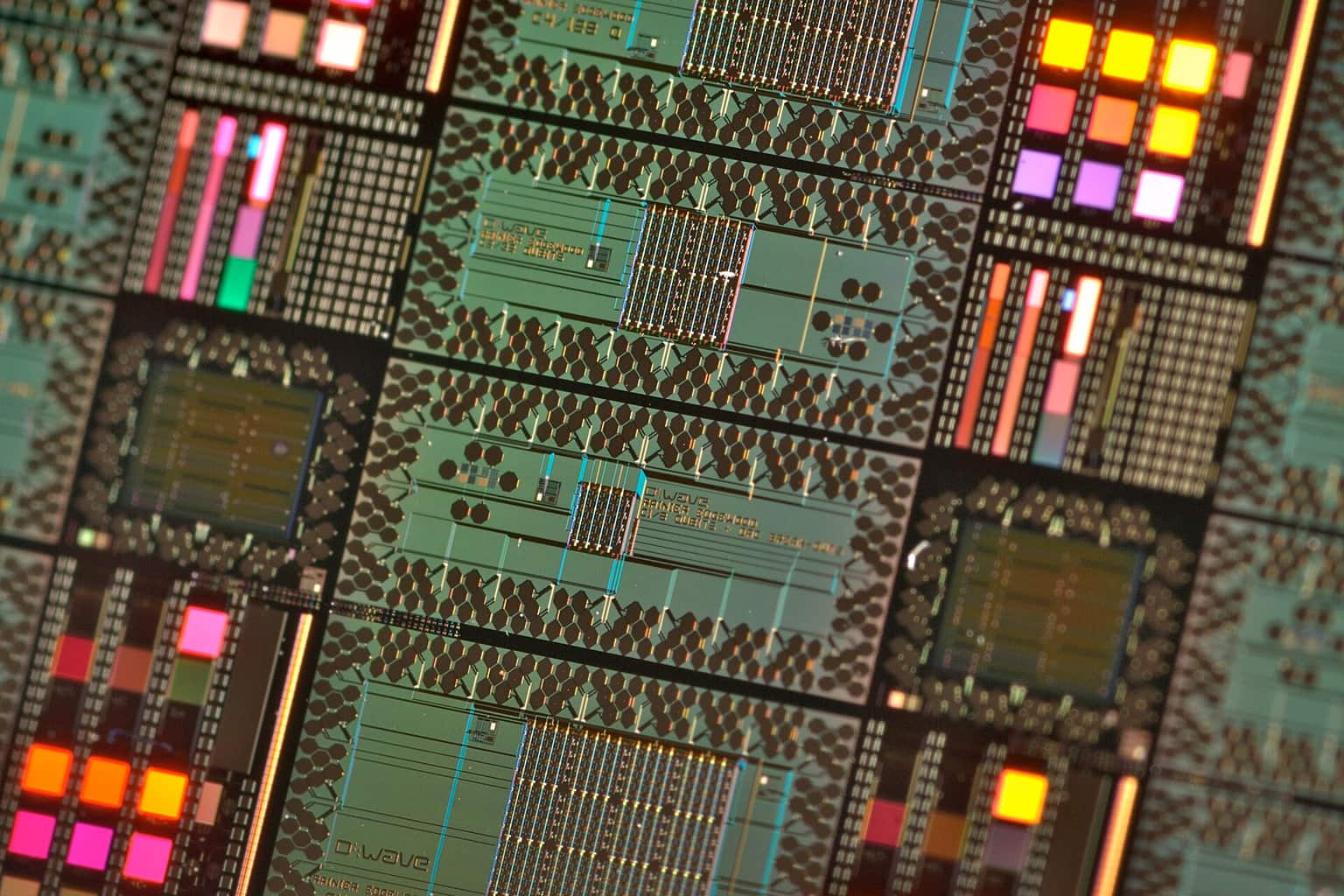
Building a reliable machine learning model for health care gets hard when only a small amount of data is available. Florida Atlantic University's Arslan Munir and his team set out to test whether quantum computing could pick out useful patterns from limited records, using lung cancer prediction as the test case. Their best performer was D-Wave's annealing quantum computers, which reached 94.31% accuracy in simulation and 91.90% on quantum hardware.
The study worked from a public dataset of 309 records. Each record held symptoms and risk factors such as smoking history, coughing, wheezing, fatigue and chest pain, plus a lung cancer label. To balance the cancer and noncancer groups, the researchers generated synthetic examples, bringing the dataset to 540 samples. An optimization step then reduced the input variables to 10. Three quantum classification methods were compared: quantum support vector machines, quantum k-nearest neighbors and quantum boosting. Each of the five evaluation rounds trained on 108 samples and tested on the remaining 432. The team ran these methods across several software frameworks, including Qiskit, Cirq, PennyLane, OpenJij and D-Wave, so that the comparison used the same data preparation and testing conditions throughout.
What this changes, and for whom, is still narrow. For researchers working on quantum machine learning, the study offers a common framework to compare methods on structured health data, and testing on real quantum hardware, not only in simulation, gives an early sense of how the methods behave outside a simulator. For patients and clinicians, nothing changes yet. The dataset contained no scans, pathology findings, lab results or cancer staging, and the reported accuracy reflects the augmented data and this particular evaluation procedure. The researchers call their findings preliminary.
The next steps are already set. The team plans to work with larger datasets from multiple institutions, to combine symptom data with imaging or genomic information, and to develop methods that make the models' predictions easier to interpret. Munir put the key question plainly: whether these approaches generalize to independent clinical datasets, and whether they can support health care workflows that have been carefully validated.
Sources — read the originals(Paris time)
Read next
Comments
Loading the thread…
Sign in to leave a comment. Sign in