Red seaweed releases a blood-sugar peptide
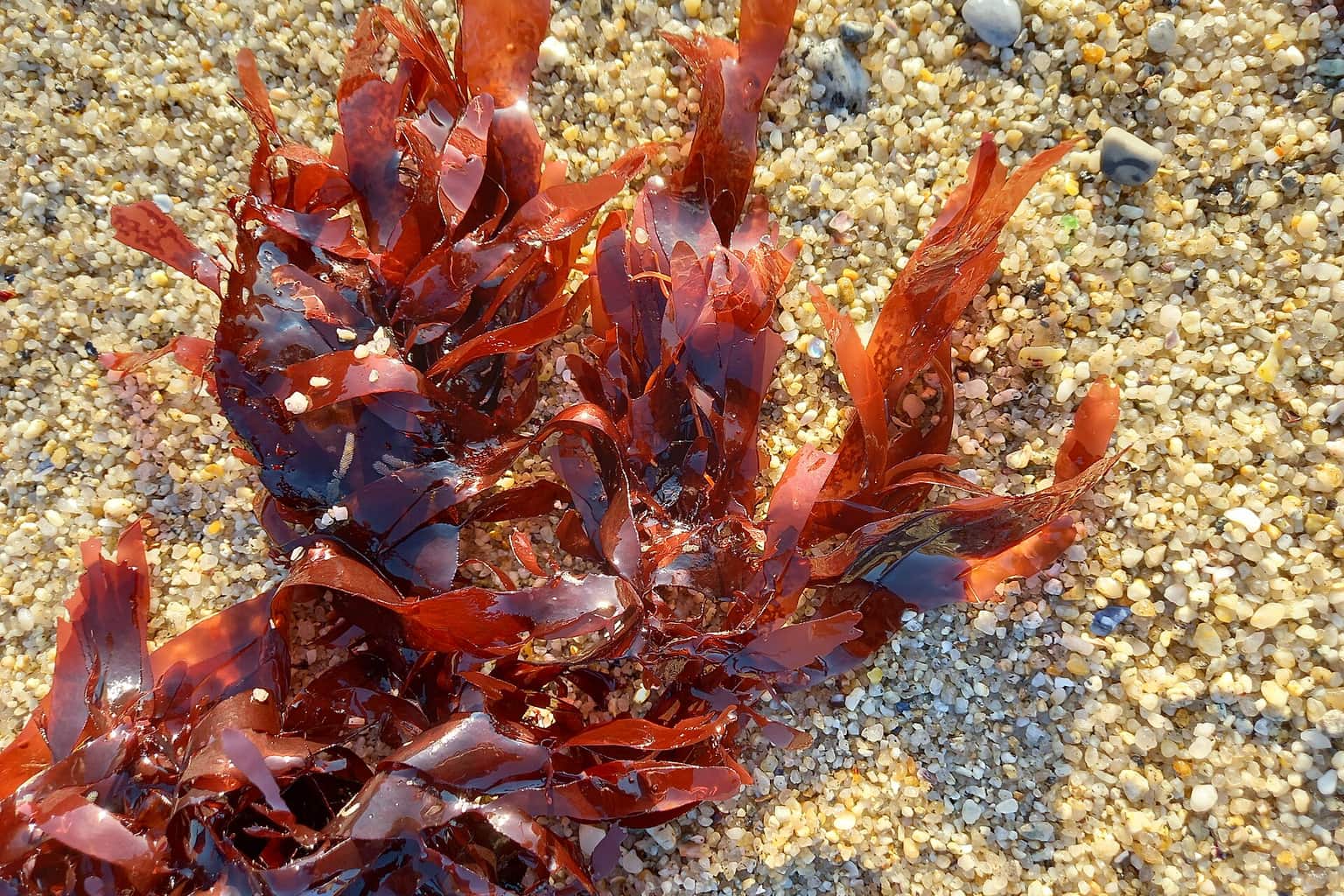
In the cold coastal waters of Hokkaido, Japan's northernmost prefecture, a red seaweed called dulse (Devaleraea inkyuleei) grows in abundance. Its soft, frilly fronds have a distinctive taste. Red seaweeds already sit on tables across Asia, in sushi, rice wraps and ramen toppings, known as nori in Japan and gim in Korea, yet their nutritional benefits remain poorly understood. A team led by Hokkaido University scientists has now found that digesting dulse in the laboratory releases a peptide made of four amino acids, called EVYR. A peptide is a small fragment of protein, and EVYR has potential benefits for blood glucose control and diabetes prevention.
Here is how the mechanism works. After a meal, blood glucose rises and the pancreas releases insulin, which allows cells to absorb glucose and use it for energy. Hormones stimulate that release, but an enzyme called dipeptidyl peptidase-IV (DPP-IV) breaks them down. EVYR inhibits this enzyme, so the hormones stay active for longer and keep stimulating insulin release for longer.
To measure the effect, the team subjected dulse to an artificial digestion process that mimics the human body. They then used liquid chromatography–tandem mass spectrometry, an analytical technique that quantifies molecules, to measure how much EVYR was released. Based on comparisons of protein sequences across species and on computer simulations, the team also found that other red algae could potentially release EVYR during digestion. The finding adds dulse to a list that already includes fish, milk and soybeans, all of which contain peptides with possible blood glucose–regulating properties.
The limits are clear. Everything happened outside a living body, in a simulated digestion, not in people. The researchers say further studies will determine whether the amount of EVYR released from dulse is sufficient to influence blood glucose in the human body. No timetable is given for those studies.
For now, the immediate gain is a direction, not a product. Kumagai, an associate professor at Hokkaido University's Faculty of Fisheries Sciences, says the discovery "opens up new possibilities for using red algae to develop functional foods that support blood glucose control". Food developers are the ones positioned to act on that first. People living with diabetes or at risk of it would be the ones to benefit, but only if human studies confirm the effect, and no date is given for either step.
Sources — read the originals(Paris time)
Read next
Comments
Loading the thread…
Sign in to leave a comment. Sign in