Researchers map where oxygen sits on graphene
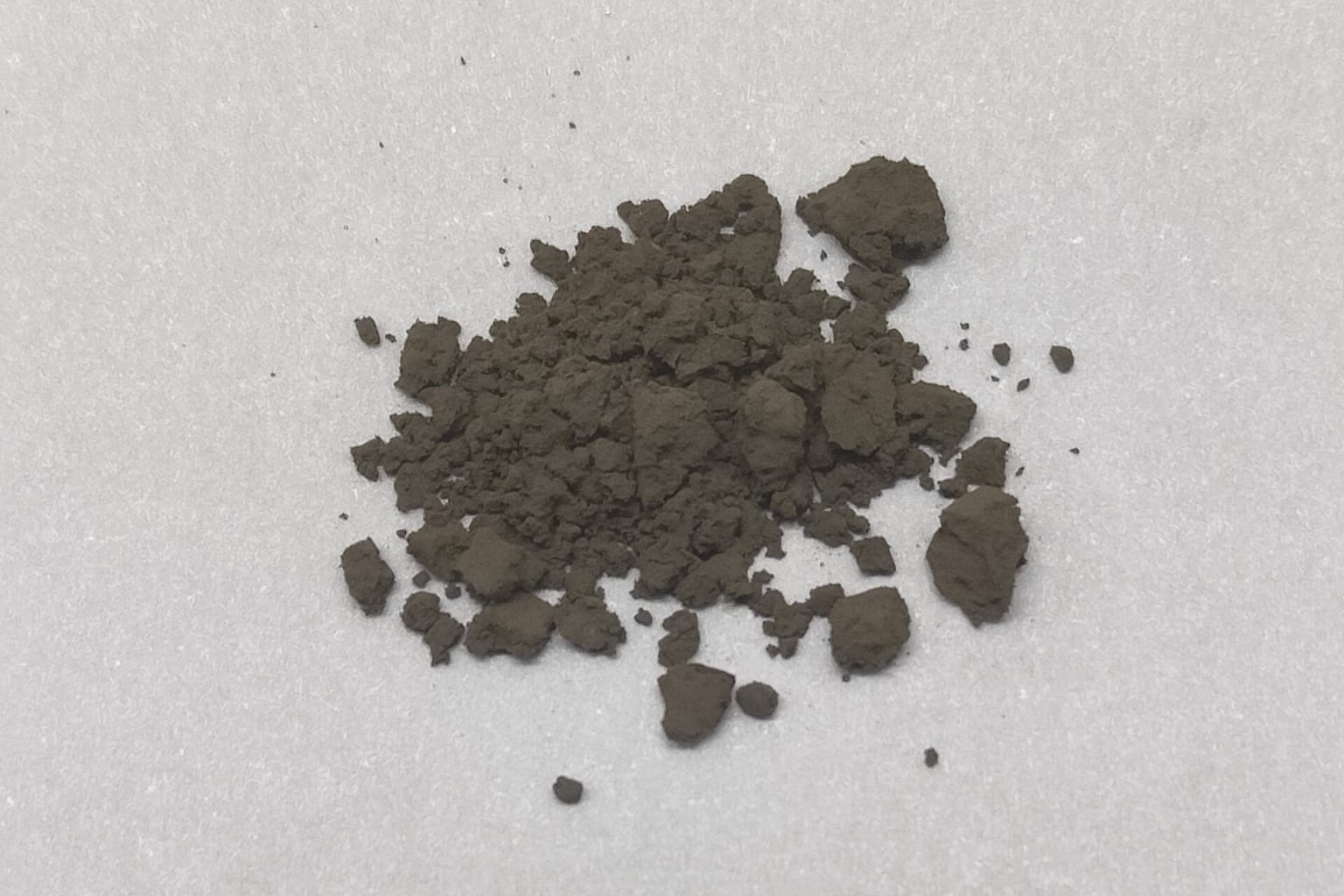
A sample about the size of a grain of sand, placed in the beam of powerful X-rays at the Canadian Light Source in Saskatchewan: that is where Sakshi, a PhD student in physics at the University of Saskatchewan, measured graphene oxide and found where its oxygen atoms actually sit. Graphene is just one atom thick, and it is the thinnest and strongest material ever measured, according to the researchers. Its oxidized form, which carries oxygen-containing groups on its surface, is an important starting point for making graphene-based materials on a large scale.
The difficulty was that those oxygen groups can attach to different places on the carbon structure, and where they land depends partly on how the material is made. That placement can also change its properties. Sakshi notes that many theoretical models describe the structure of graphene oxide, but little experimental work had established where the atoms actually are. Knowing the arrangement at the atomic level, she argues, is what tells you how the atoms will behave when they move.
She combined X-ray measurements with computer simulations. The models predicted how different oxygen arrangements would change the material's X-ray signature, and when they matched the real results, the team could read how the oxygen was arranged. Two kinds of oxygen groups behaved differently: hydroxyls change how electrical charge moves, while epoxides weaken some of the bonds between carbon atoms. The groups also prefer to attach to one side of the material, which leaves about 60% of the carbon structure undisturbed and helping it retain many of the properties that make graphene useful.
The picture is not complete. The study covers two kinds of oxygen groups on one sample, while other work on commercial graphene oxide has found oxygen in further forms, such as carbonyl and ether groups. Earlier research has also linked the type and amount of these groups largely to the synthesis method. The findings appear in npj 2D Materials and Applications (2026).
Materials makers aiming at energy storage, sensors or water treatment could use this link between production and structure to tune the material. Sakshi is now studying how different ways of making graphene oxide change its structure and properties. No timeline has been given for applications, and the work remains lab research.
Sources — read the originals(Paris time)
Pages consulted while writing
Read next
Comments
Loading the thread…
Sign in to leave a comment. Sign in