Retired jet engines now power some AI data centers
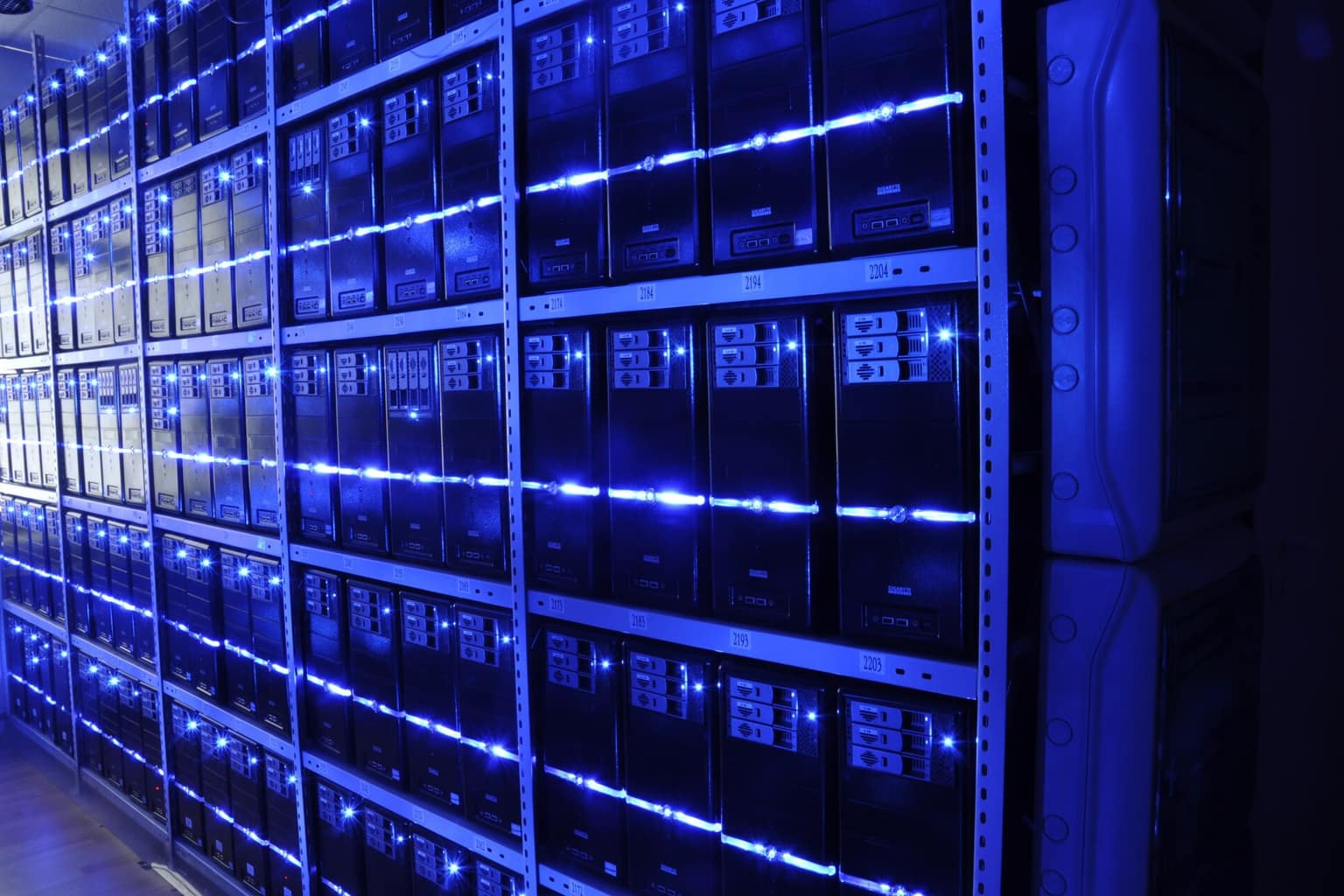
In Mississippi, eight converted jet-engine turbines are helping to power xAI's Colossus 2 data center in Memphis. The information comes from state permits and satellite imagery cited by the New York Times, which reported the installation. The units are made by ProEnergy, which rebuilds a GE engine commonly found on Boeing jets so that it burns natural gas.
The reason for this shift is a long wait for power. Connecting 100 megawatts (MW) to the grid in Northern Virginia takes about seven years, according to the International Energy Agency. A Mitsubishi Power executive told Bloomberg that most new power capacity is expected to come on by 2031. Some projects are already losing customers: Microsoft withdrew as anchor customer of Nscale's data center in Loughton, England, after the local utility said it could not deliver enough power until the early-to-mid 2030s.
The engines are pulled from retired aircraft and rebuilt, so they can be installed far sooner than a grid connection allows. "It's all about getting power as fast as possible," says Audun Martinsen, an analyst at Rystad Energy. With these units, he told the Times, a data center can be running in 24 months. OpenAI followed in 2025 with gas turbines at its first Stargate site in Abilene, Texas. Crusoe, the Denver-based startup building that campus, ordered 13 converted units from ProEnergy in April.
The trade-offs are real. The converted engines are less efficient and pollute more than turbines designed for conventional gas plants, and it takes more of them to produce the same power, according to the Times. Some experts expect efficiency and environmental concerns to weigh more within a year or two, which may make the approach a short-term solution. In September, Crusoe also walked away from a $1.25 billion deal for 29 gas turbines from Boom Supersonic; a spokesperson said the company still plans to use turbines.
For operators who cannot wait for the grid, the gain is measured in years: the analyst's 24 months against the seven years the grid can take. The Trump administration is encouraging data centers to generate their own electricity, which adds to the pressure to act now.
Sources — read the originals(Paris time)
Read next
Comments
Loading the thread…
Sign in to leave a comment. Sign in