Salt-based air conditioner cuts Waffle House operating costs by 65%
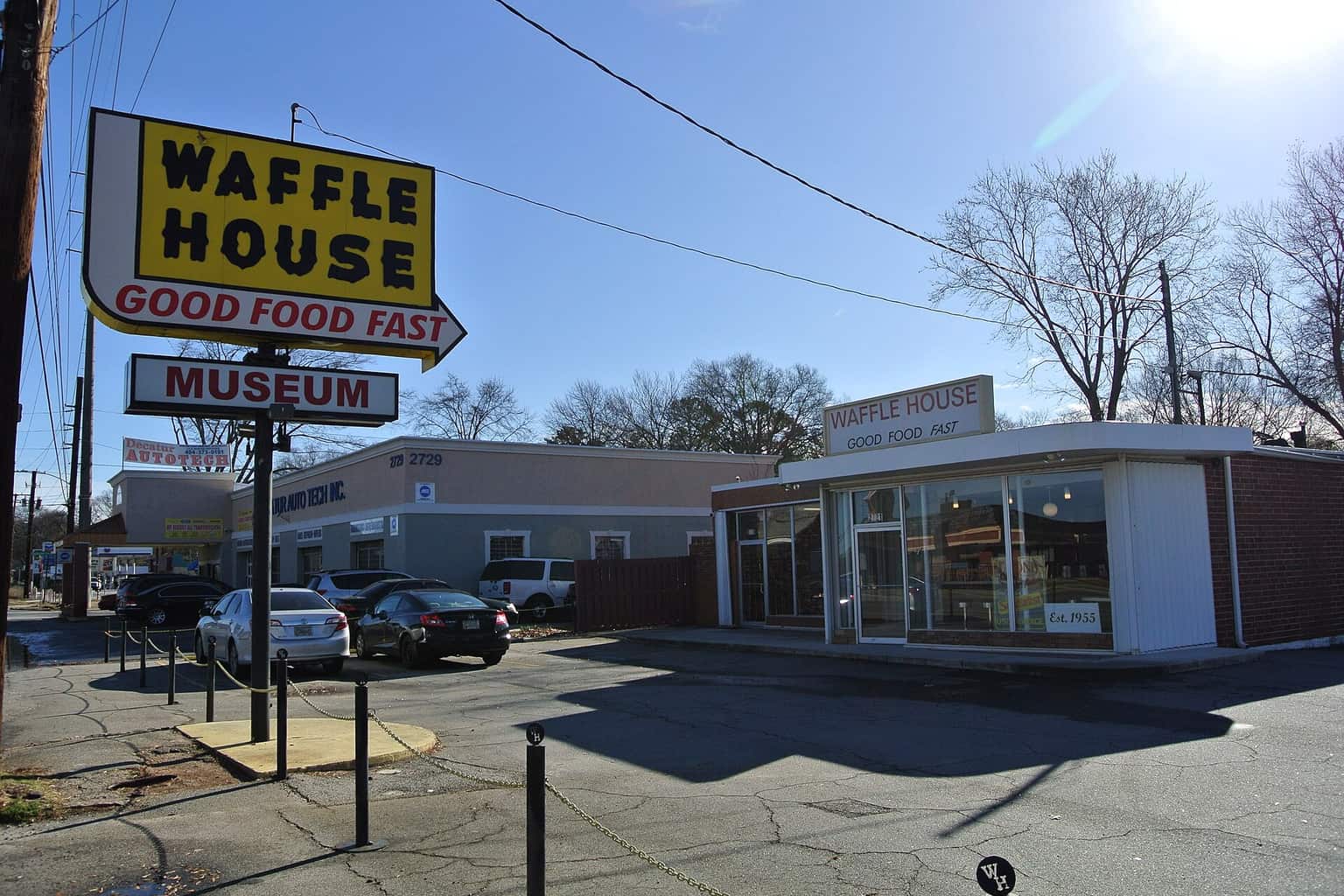
In July 2025, a team of technicians walked into a Waffle House in Macon, Georgia, and installed a machine in the grass behind the building. Inside, the cooks were frying patty melts, hash browns and waffles on an oil-slick grill, in heat that felt as high as the 92 degrees Fahrenheit (33 degrees Celsius) outside. Within minutes of the unit being switched on, they came out of the kitchen. “What did you do?” they asked. “This is the first time we’re not sweating in the middle of summer.” The machine was the first real-world pilot of an air conditioner co-invented by researchers at the National Laboratory of the Rockies (NLR), formerly the National Renewable Energy Laboratory (NREL), and by the startup Blue Frontier. Over the pilot, the system used 40% less energy than the building’s previous air conditioner and cut operating costs by 65%.
The stakes reach well beyond one kitchen. Air conditioning can overwhelm power grids: a spike of afternoon heat sends demand soaring, and a grid can only supply its highest peak. In the Waffle House pilot, power use fell by 89% during peak grid hours, when electricity is most expensive. A cooling system that draws less power at those hours, and that can store energy to run itself through the hottest part of the day, can help avoid high prices and the overloads that lead to blackouts. For a restaurant, that means lower bills. For a grid, it means a smaller peak to absorb. Air conditioning already accounts for a large share of the energy used worldwide; according to CNBC, the energy used to power it releases 1,950 million tons of carbon dioxide each year.
Most of an air conditioner’s work is not cooling but drying. More than half of the energy it consumes goes to removing humidity. Conventional systems often overcool a room just to wring out enough moisture, then heat the air back up to the temperature people want. The NLR design skips that loop. A salt-based liquid pulls water out of the air, the way table salt clumps on a humid day. The drier air then passes through a heat exchanger, a device that moves heat from one medium to another, and is chilled by evaporation, the same effect that cools skin when sweat dries. When the salt solution becomes too diluted to absorb more water, heat drives the water off and concentrates the salt again, so the cycle can continue. Only a fan and small pumps need electricity, and the system uses less energy as outdoor temperatures rise.
Liquid desiccant cooling is not new. Technical reviews describe liquid desiccant systems as an energy-efficient and eco-friendly alternative to conventional air conditioning, and commercial units are only now appearing, with a very small market share. What distinguishes this system is its design around the electricity grid. Daniel Betts, Blue Frontier’s founder and chief executive, first licensed the technology to build an air conditioner powered by the heat of a fuel cell, and launched a startup, Be Power Tech, to sell it. Four years later, he shut that company down. “It broke my heart, but a good entrepreneur is a glutton for pain,” he said. He returned to Kozubal and Woods at NLR, and together they adapted the original invention into a unit that can store energy and run when power is cheapest. Betts licensed that version, and Blue Frontier was born.
The company’s own case study gives an installation date of October 29, 2024, while the story places the first test in July 2025. The performance figures come from the developers and the pilot itself, which ran for one year. Blue Frontier is testing its products at national laboratories and in field trials, and the technology has earned an R&D 100 Award. The NLR and Blue Frontier pilot shows what the system does in a working kitchen on a hot Georgia summer day.
Sources — read the originals(Paris time)
Pages consulted while writing
Read next
Comments
Loading the thread…
Sign in to leave a comment. Sign in