Sceye signs five-year deal for at least 40 stratospheric platforms
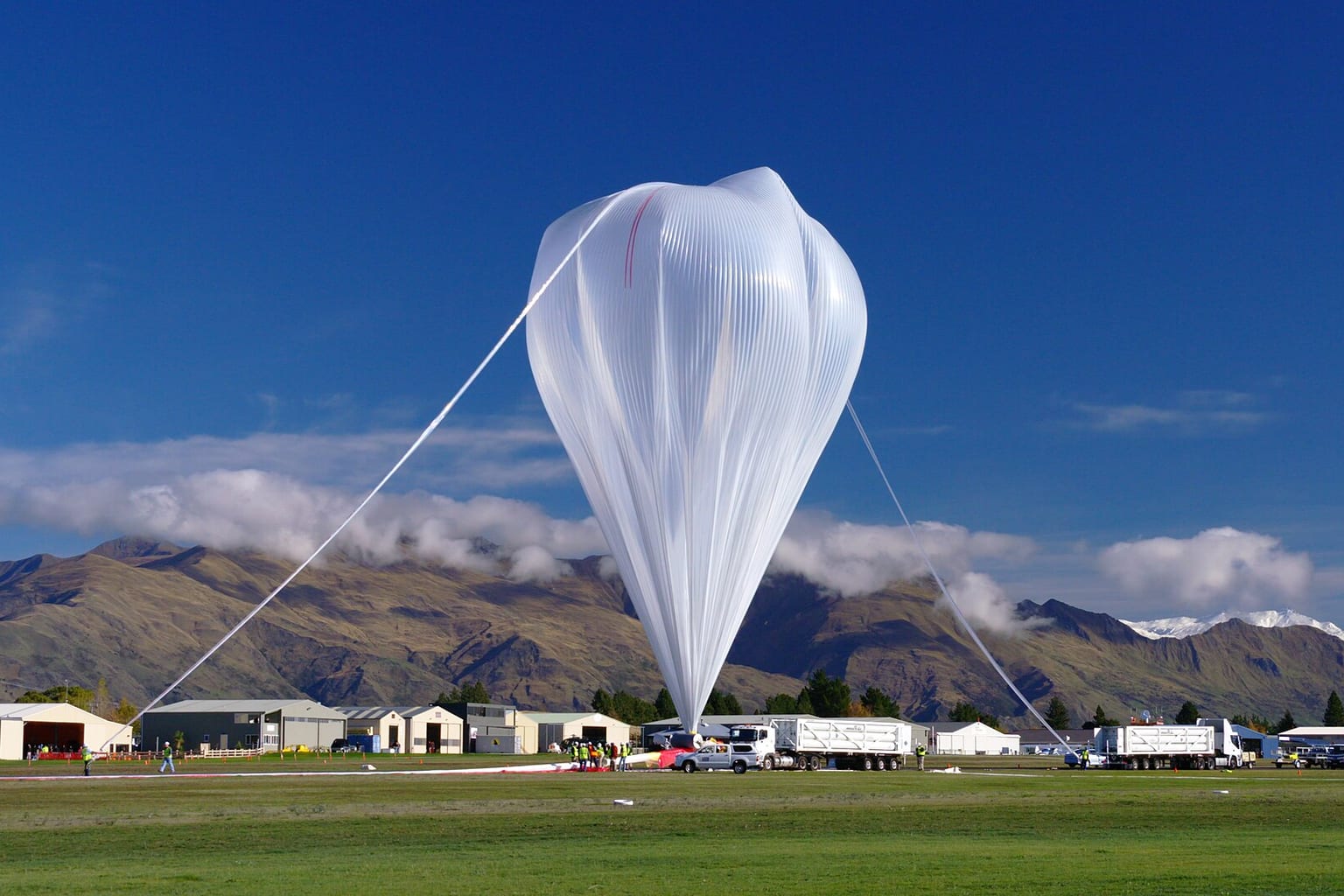
Forty stratospheric platforms, no rocket. That is the bet Sceye is placing over Japan. The company has signed a five-year master-services agreement with SoftBank to manufacture, launch and operate a fleet of its high-altitude platform systems, or HAPS, announced on 3 November. The platforms fly at roughly 20 km, in the stratosphere, and Sceye says they reach cruising altitude in under 30 minutes, lifted by gas rather than by a launch vehicle.
The test that came before the deal is the strongest evidence. In September, Sceye completed its Service Test 1 mission with SoftBank, spending 30 days travelling from New Mexico to Japan and back. Its SceyeCell payload, a “cell tower in the sky”, delivered texts, voice calls, internet and video streaming directly to standard phones, including indoors. The team also demonstrated stratospheric laser ranging, tracking a platform from the ground, which lays the groundwork for a free-space optical network: a laser link between platforms, sending data through the air rather than through cables. Edge-computing tests aboard the platform cut latency by 40% compared with cloud computing, according to Vestergaard Frandsen.
SoftBank had backed several HAPS efforts before putting $15M into Sceye’s Series C in 2025. It invested after Sceye became the first, in the company’s account, to “close the power loop”: holding altitude over the same area through the night, until the sun came up to recharge the batteries. That is what makes a platform a permanent station rather than a balloon that has to come down. Sceye compares its platforms to geostationary satellites, which keep a fixed position, but at a distance 1,800 times closer to the ground, and says they can be replaced and serviced.
For SoftBank, the deal adds a layer between ground towers and satellites, and the two are not rivals in its view. “This is not a competition between the stratospheric layer or the LEO layer,” Vestergaard Frandsen said, LEO meaning low Earth orbit. SoftBank is also adopting Starlink’s direct-to-cell service in Japan. Sceye will own the platforms and sell the service, so the operator buys coverage rather than hardware. The announcement does not give a price for that service, nor a date for its first commercial use.
The limits are clear. The current flight record is only 30 days, and recovered platforms are broken down and tested before parts are reused, a turnaround that is “in the months” today. Vestergaard Frandsen wants that cut to weeks, and single vehicles staying aloft for six months or more. The next step is the build-up itself: at least 40 units over five years, and a turnaround measured in weeks rather than months.
Sources — read the originals(Paris time)
Read next
Comments
Loading the thread…
Sign in to leave a comment. Sign in