Semaglutide repairs damaged kidney blood vessels, a study finds
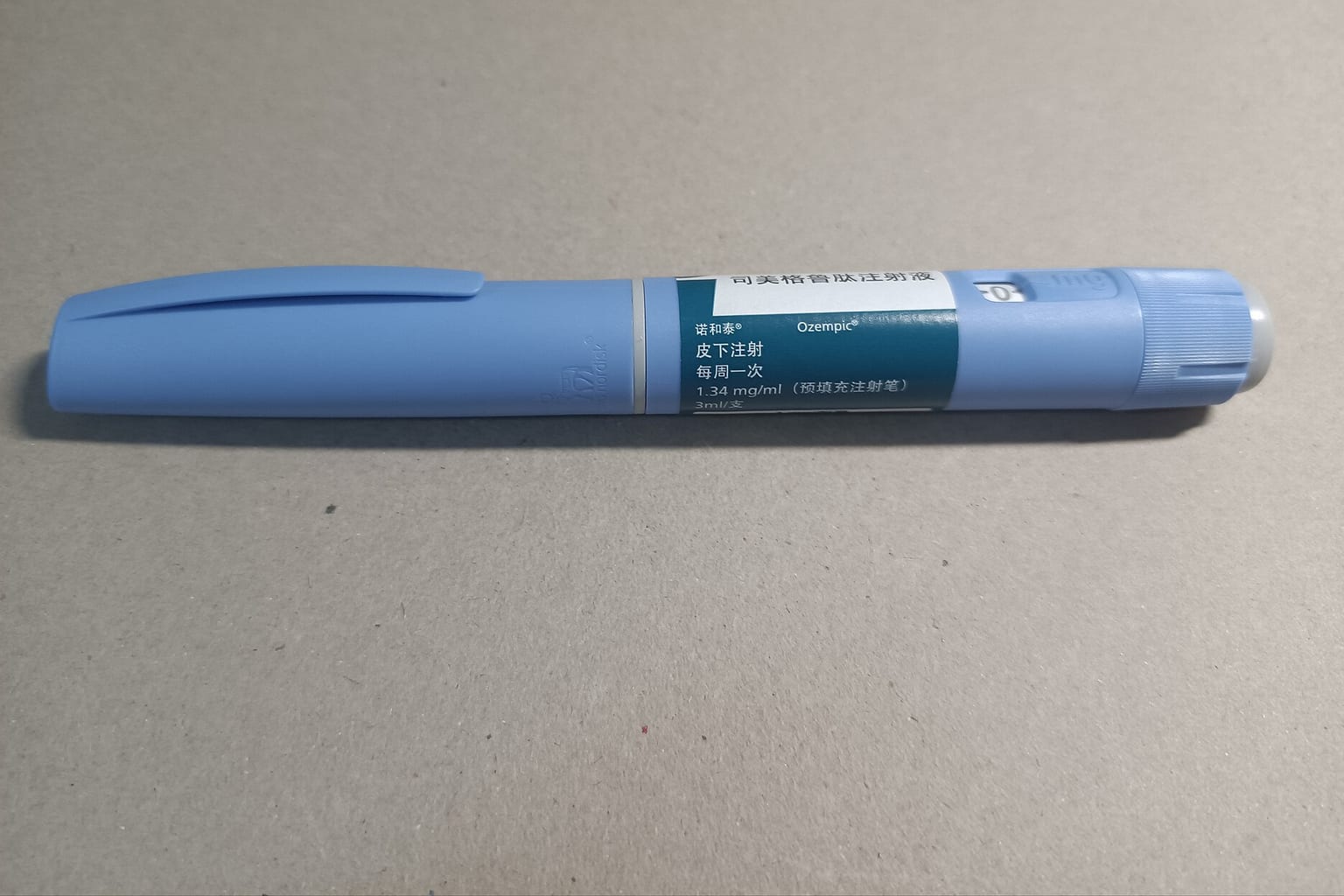
A patient on hemodialysis depends on a machine to do what the kidneys can no longer do: filter waste out of the blood. Semaglutide, the active ingredient in Ozempic, may do something different. Researchers reported on October 1 in Nature Medicine that the drug repairs and restores the blood vessels that power that filtering, in patients with chronic kidney disease.
Chronic kidney disease affects an estimated 674 million people worldwide, and its most common causes are diabetes and high blood pressure. As it progresses, the kidneys slowly lose the ability to filter waste from the blood and excrete it as urine. The damage brings other complications and a sharply higher risk of dying from a heart attack or stroke. In 2024, a trial in the New England Journal of Medicine found that patients with diabetic chronic kidney disease who took semaglutide were less likely to reach kidney failure, or to die of a heart attack or stroke, than those given a placebo. The trial was stopped early, because the drug was so effective that doctors no longer considered it ethical to keep giving participants the placebo.
For the new study, some of the same researchers looked at 106 of those participants to understand how the drug worked. They collected kidney tissue before and after treatment and compared it with samples from placebo patients. Semaglutide brought clear visible changes: more blood flow, less scarring and less stiffness in the blood vessels. Blood flow matters because it drives filtration, the kidneys' main job. Urine levels of albumin, a protein that rises when the filters leak, barely moved in placebo patients but fell in those taking semaglutide.
The genetic analysis points the same way. In the glomerulus, the tiny blood vessel cluster that performs the filtering, genes linked to metabolic stress were switched off, along with inflammatory genes, while repair genes were switched on. The researchers also saw that blood vessel cells and immune cells had been sending a flood of inflammatory signals to each other. After treatment, the immune cells quieted down. Katherine Tuttle, a nephrologist at the University of Washington's Providence Medical Research Center in Spokane, says the damaged kidneys showed clear signs of repair.
Two nephrologists who were not involved in the study put the findings in context. Susan Quaggin, of Northwestern University's Feinberg School of Medicine in Chicago, says the work reinforces the drug's known anti-inflammatory effects and suggests a direct role in protecting the kidney's blood vessels. Peter Nguyen, of Houston Methodist Hospital, notes that more blood flow means more filtration. Those are mechanisms, though, observed in a subset of a trial, and the reporting gives no timeline for testing semaglutide as a kidney treatment in its own right.
For people living with diabetic chronic kidney disease, the study offers a possible explanation for why the 2024 trial results held up: the drug appears to reduce strain and inflammation in the filters themselves. For now, the next step is the one the study points to, a confirmation that these vessel changes translate into the kidney outcomes that matter to patients.
Sources — read the originals(Paris time)
Read next
Comments
Loading the thread…
Sign in to leave a comment. Sign in