Smarter CAR-T cells clear deadly childhood brain cancer
Some of the cells never make their weapon. Injected into the bloodstream of mice, the engineered T cells circulate through the whole body, and only those that reach the brain switch on. In the blood and spleen, the cells did not express their attack receptor, "just as we designed it," said postdoctoral researcher Senthilnath Lakshmanachetty, who ran the experiments in the lab of Hideho Okada at UC San Francisco.
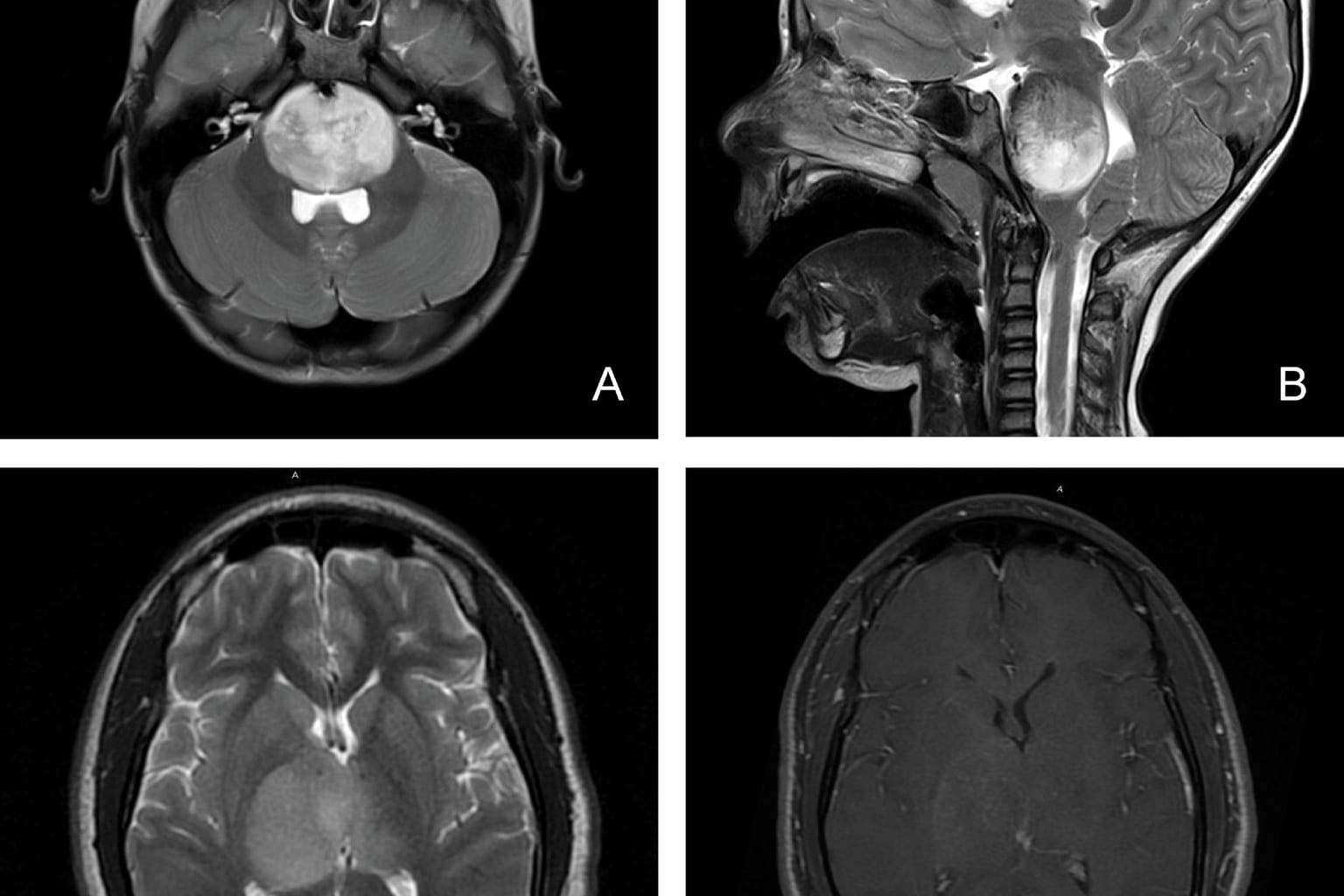
The target is a tumor that has resisted every standard approach. Diffuse midline glioma, or DMG, is a form of childhood brain cancer that spreads into healthy tissue, and it is exceptionally hard to treat because it infiltrates the brainstem. Standard CAR-T therapy has so far failed against it. The UCSF team suspects that focusing the cells on the brain makes them more potent, although the researchers are not sure why. B-SYNC builds on E-SYNC, a 2021 approach for a different brain tumor, glioblastoma, which only reached the roughly 20% of patients whose tumors carry the EGFRvIII protein. Switching the trigger to brevican, a protein found throughout the brain, widened the reach to tumors without that marker.
The results are striking in mice. Direct injection into the brain cleared tumors in every mouse tested in two human DMG models. Nearly seven weeks later, the team gave the treated mice a second round of cancer cells, and every mouse that had received B-SYNC rejected the new tumors. The cells were still active more than 70 days after treatment. The researchers believe that limiting the activation to the tumor's location may keep the cells from becoming exhausted before they reach it.
For children and families, the next change is a clinical trial, not a treatment. The first trial, led by Marie Jaeger-Krause and Sabine Mueller at UCSF, will test intravenous and direct brain delivery in different combinations, with each patient's own T cells transformed into B-SYNC. For direct delivery, a shunt would connect the brain ventricles to a reservoir under the scalp, allowing repeated doses. The trial may start as early as April 2027. Until then, the evidence is limited to mice, and the results in this study do not measure side effects in humans, which the team has identified as the central hurdle for any CAR-T approach against brain tumors.
The next step is clear: take B-SYNC from the laboratory into UCSF Health's clinic, and see whether the effect seen in mice holds for the children it was designed for.
Sources — read the originals(Paris time)
Read next
Comments
Loading the thread…
Sign in to leave a comment. Sign in