Solar and batteries cut Texas wholesale power prices 42% since 2021
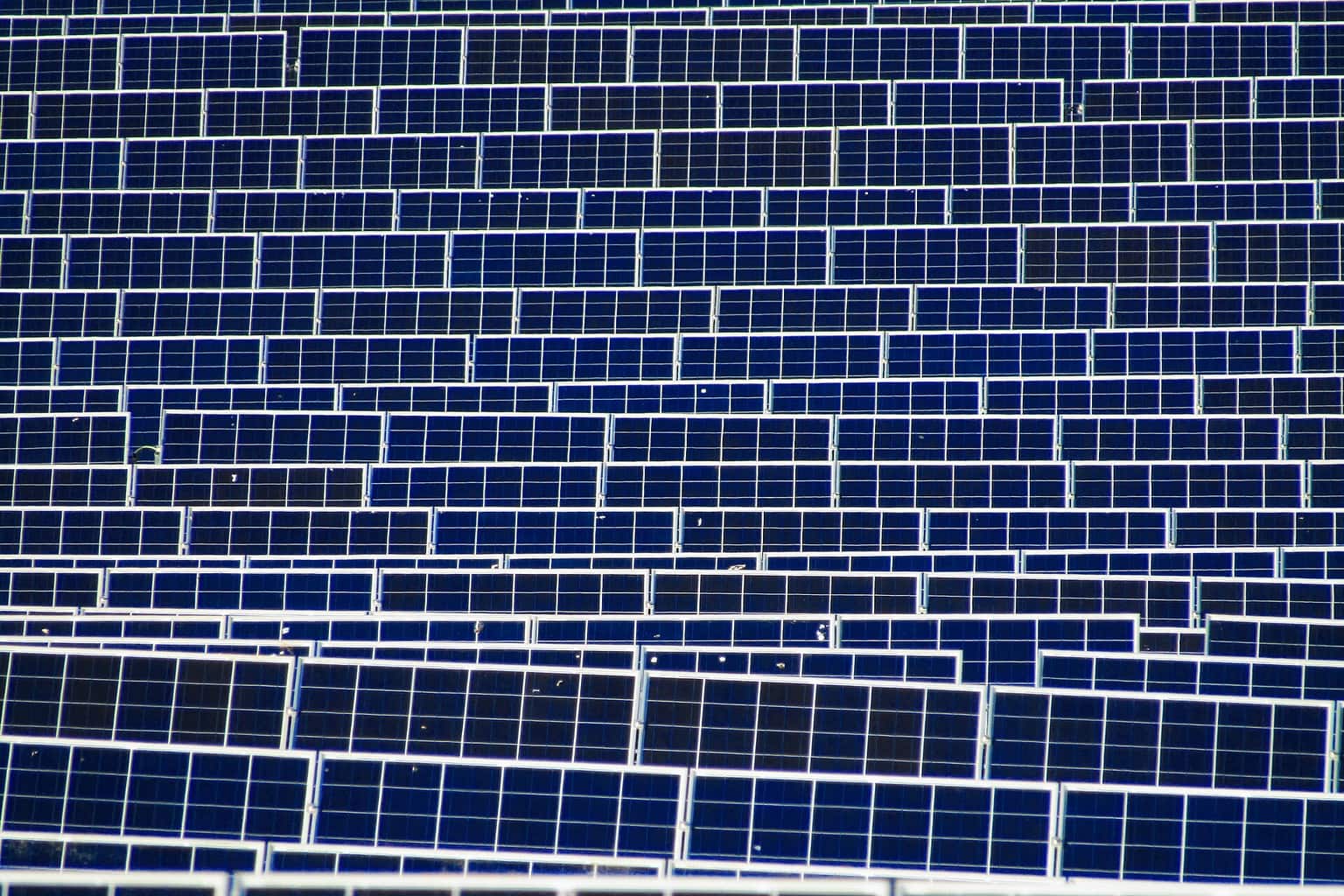
In Texas, a megawatt-hour of electricity cost $54.97 on the wholesale market in summer 2021. By summer 2026, the average had fallen to $31.77, even though electricity demand in the state had risen 30% over the same period. The figures, adjusted for inflation, come from a new analysis by the Solar Energy Industries Association (SEIA), the solar industry's trade group.
The wholesale price is what electricity costs before it reaches a household’s bill, once it is bought and sold on the grid. In Texas, which runs its power market through the grid operator ERCOT, and in California, managed by CAISO, the analysis compares weighted average hourly prices for June through August in 2021 and 2026. The association attributes the decline to the rapid growth of solar and battery storage. Over those five years, solar generation rose 421% in Texas, and battery storage capacity grew more than 26-fold.
California shows a similar pattern from a different starting point. Its average wholesale price fell from $77.54 to $38.32 per megawatt-hour, a drop of 51%, while electricity use grew 2.5%. Solar generation rose 90% and battery capacity grew nearly sevenfold. SEIA estimates that solar and storage saved Texans about $3.55 billion and Californians about $2.5 billion over June through August 2026, compared with the same months in 2021.
The wholesale price does not tell the whole story of a monthly bill. Residential generation costs fell 4% in Texas and 10% in California. Yet overall residential bills rose 3% in Texas and 22% in California, because transmission and distribution costs, the expense of moving power from plants to homes, went up over the same period. The analysis does not break down those costs.
For households in these two states, the change is concrete but partial. The part of the bill linked to generating electricity has become cheaper, and the savings are measured in the billions of dollars across a single summer. Whether the lower wholesale prices persist after 2026 is not something the analysis projects. SEIA CEO Tim Pawlenty framed the results as proof that “delivering affordable, reliable power is a priority that transcends party lines.” The figures are the association’s own, and they cover summer months only.
Sources — read the originals(Paris time)
Read next
Comments
Loading the thread…
Sign in to leave a comment. Sign in