Solar Power Reaches 100 Terawatt-Hours in Germany for First Time
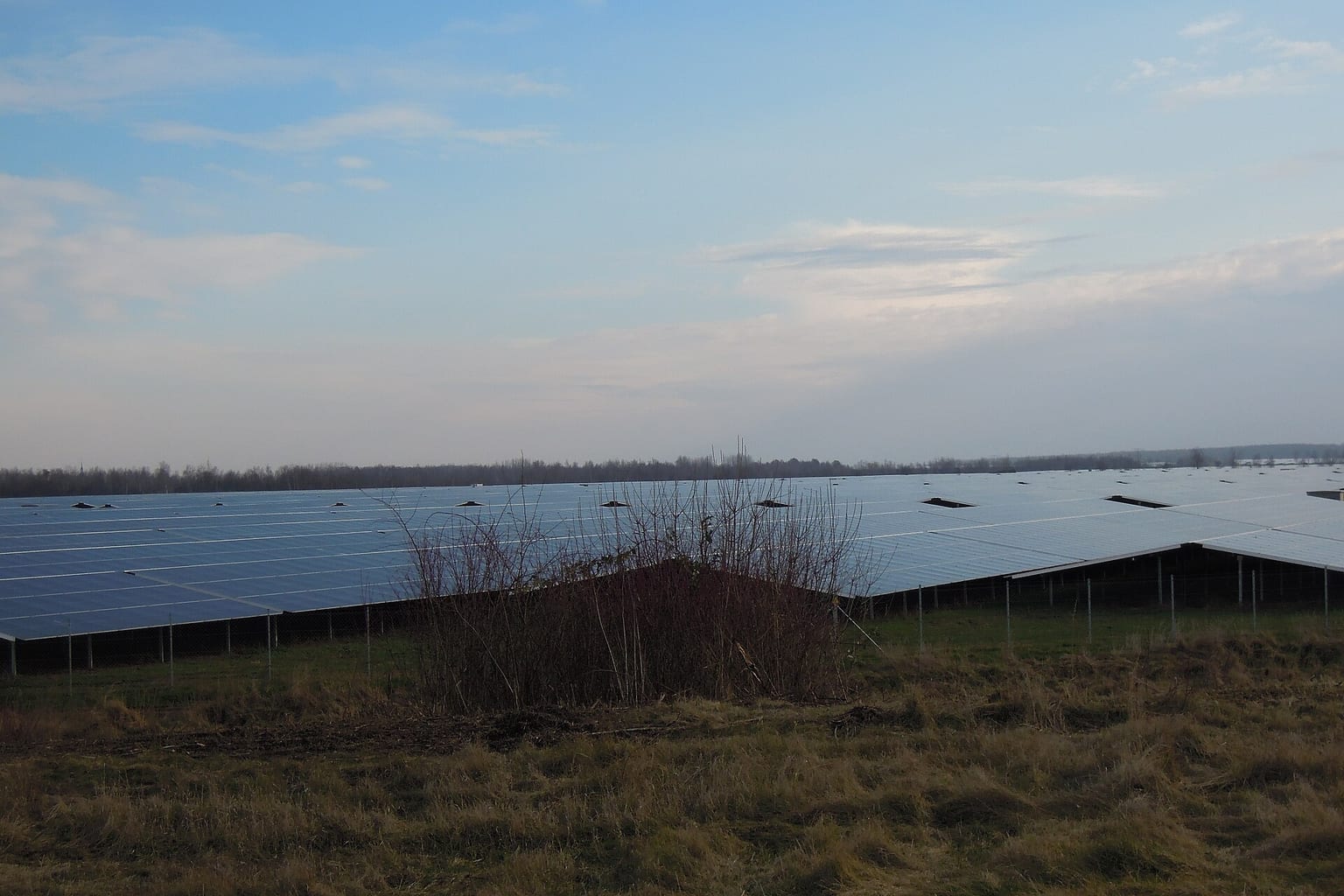
Two decades ago, solar installations in Germany delivered 2.2 terawatt-hours of electricity over the entire year. This year, they generated more than 100 terawatt-hours for the first time within a single year. The figure comes from the Energy-Charts data of the Fraunhofer Institute for Solar Energy Systems ISE.
One terawatt-hour equals one billion kilowatt-hours. A household in Germany often consumes between 2,000 and 4,000 kilowatt-hours a year. Hamburg consumed 10.7 terawatt-hours last year. Solar installations convert sunlight into electrical power, and part of that power is used by the operators themselves before it even flows into the grid.
The record year became apparent early on. The previous year's figure of 90 terawatt-hours was already surpassed in late September, months before the year's end. The German Solar Industry Association (BSW-Solar) attributes the increase to unusually many sunshine hours and the continued expansion of photovoltaics. The path there was not straight: in 2013, the German solar market collapsed and for many years lagged behind the expansion targets of the time. After Russia's invasion of Ukraine and the energy crisis that followed, photovoltaic installations were built up again at an accelerated pace.
So far this year, only wind power has generated more electricity. On Tuesday afternoon, according to Fraunhofer ISE, the total stood at just over 123 terawatt-hours. Solar power is therefore in second place, ahead of coal, gas and biomass.
The total does not include only the electricity fed into the public grid. The Energy-Charts alone show around 19.8 terawatt-hours of self-consumption for 2025. This share is estimated because it cannot simply be measured. ISE calculates it conservatively, so the actual amount could be somewhat larger.
For consumers, this mainly means cheaper electricity and fewer imports. Carsten Körnig, managing director of BSW-Solar, says: “Photovoltaics has evolved from a niche technology into a key pillar of our electricity supply.” The catch lies in the season: solar installations deliver mainly during the day and in summer, while demand rises in winter. That is why storage is becoming more important. Christoph Kost of Fraunhofer ISE expects self-consumption to keep growing.
The 100 terawatt-hours therefore represent an interim milestone. The total will continue to rise until the end of the year, even though sunshine hours decline in autumn and winter.
Sources — read the originals(Paris time)
Pages consulted while writing
Read next
Comments
Loading the thread…
Sign in to leave a comment. Sign in