Stem cells grow mini human lenses
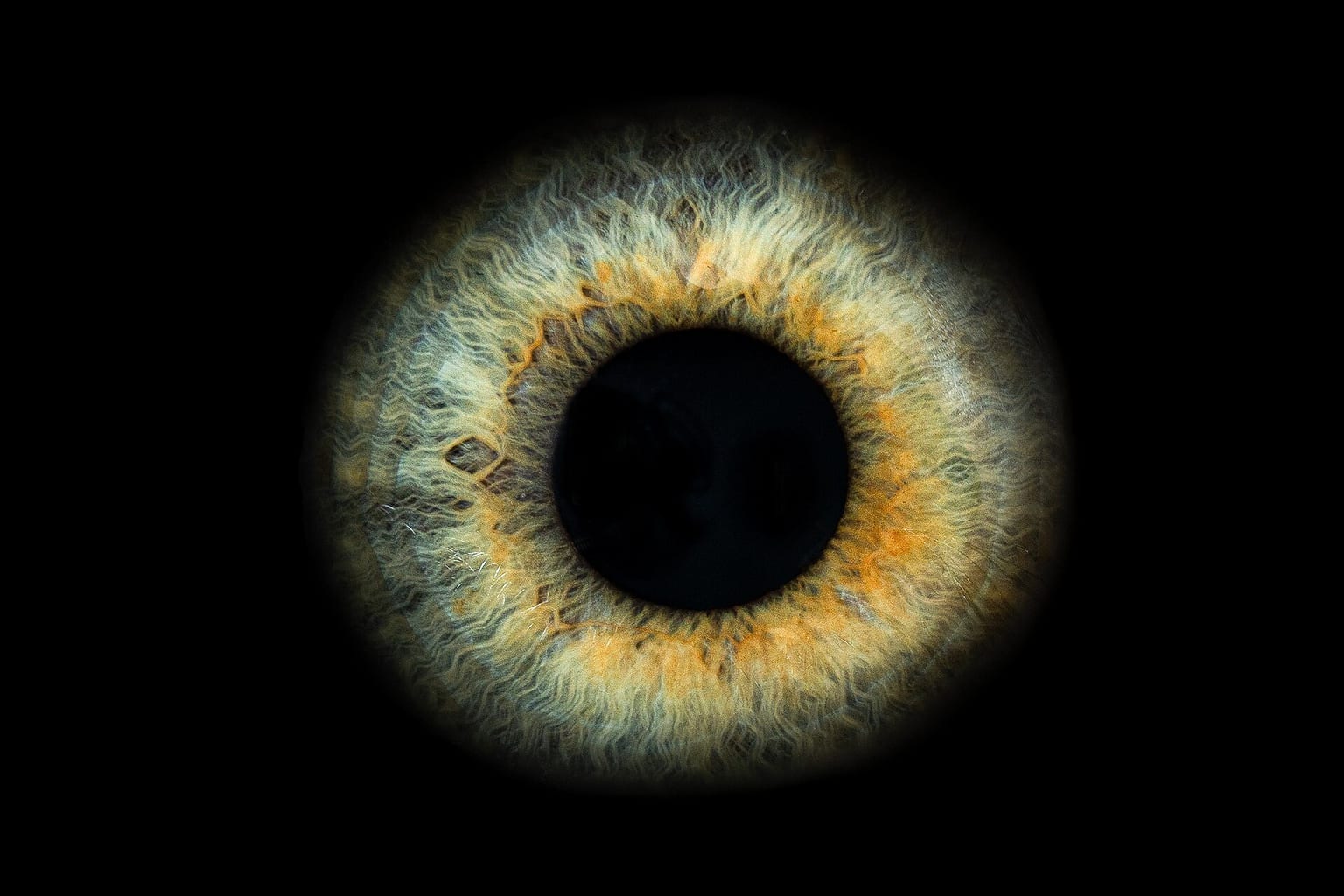
Inside a laboratory dish, human stem cells have organized themselves into mini lenses that closely resemble the natural lens of the eye. Researchers at Anglia Ruskin University, working with colleagues at the University of Osaka in Japan and Cardiff University, report that they built these structures for the very first time. The study is published in the journal npj Regenerative Medicine, and its lead author, Professor Barbara Pierscionek of the Center for Biomedicine and Health Innovation, presents the model as a new research tool.
The starting cells were human induced pluripotent stem cells, or iPSCs, which are adult cells reprogrammed into a stem cell-like state. The team then developed a growth method that encouraged the cells to organize into lens-like structures. After eight weeks of culture, the tissue showed many of the key features of a real lens: proteins that keep human lenses transparent, a structure resembling the lens capsule that surrounds and protects the lens, and highly organized fiber cells.
Cataracts form when proteins inside the lens become damaged or clump together, clouding the lens so that it can no longer focus light onto the retina. They are among the leading causes of vision loss and blindness, estimated to affect 94 million people worldwide, and they can currently only be treated with surgery. Human lens tissue is very difficult to obtain and study while it is developing, which is what makes a lab model of it useful.
For researchers, the immediate gain is a system they can observe and test. The team says these lab-grown tissues could help test new medicines and better understand diseases that affect vision. The cells from the mini lenses could also generate new lens-like structures, suggesting that the system may mimic some natural regenerative processes seen during lens development. For patients, the team describes only a potential contribution to future regenerative treatments.
The results are laboratory results. The tissue has not been tested in patients, and the team gives no timeline for a treatment. What opens next is the use the researchers themselves describe: testing medicines on these tissues and studying the diseases behind clouded lenses.
Sources — read the originals(Paris time)
Read next
Comments
Loading the thread…
Sign in to leave a comment. Sign in