Tesla starts early Optimus robot production in Fremont
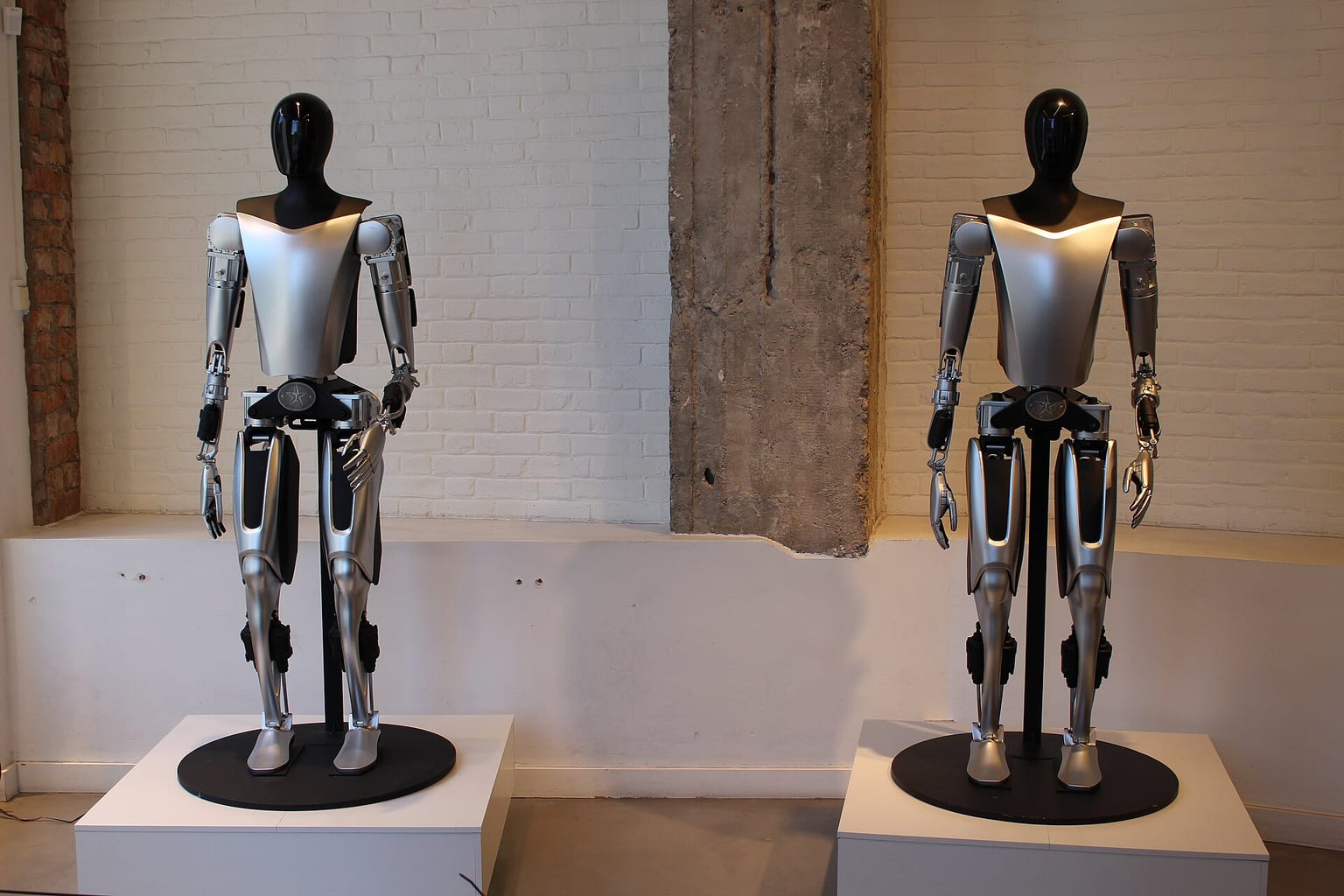
Tesla has begun making Optimus on production lines in Fremont, California, in the factory that used to build its electric vehicles. The company says the first units were built to production standards, something it had never done with the robot before. In its third-quarter 2026 shareholder update, Tesla presented the start of production as a key step toward commercial deployment.
The distance to Musk's goal is still large. He aims for 20,000 robots per week by the end of 2027, but he told investors the ramp will be slow, because Optimus is an entirely new product category for the company. He also warned that setbacks will come as engineers build humanoid robots at industrial volumes. Reliability is the first obstacle: Tesla wants Optimus to work safely for long periods without frequent repairs or component failures. Software is the second. The robot must handle unfamiliar tasks reliably, and Musk said considerable work remains before it can perform a broad range of activities on its own.
The robots also depend on computing and batteries. Tesla plans to reach 400 megawatts of training computing capacity by the end of 2026, and equipment commissioning at its Austin fabrication facility should begin in 2027. On the battery side, the company names battery availability as a continuing constraint on its vehicle output. It is expanding battery pack capacity in Berlin, cathode material and lithium refining in Texas, and lithium iron phosphate cell manufacturing in Nevada. It has already shipped its first Megapack storage systems built entirely with its own LFP cells.
For Tesla, the practical effect is that Optimus now has a manufacturing process the company considers suitable for a commercial product, and the next work is to refine production methods and hardware as output grows. For the people who would buy or use the robot, the date is still missing: Tesla has not said when Optimus will become commercially available at scale. Output, batteries and software have to advance together, and the company has said so itself before the robots can deliver on Musk's production targets.
Sources — read the originals(Paris time)
Read next
Comments
Loading the thread…
Sign in to leave a comment. Sign in