Transparent bamboo under solar panels cuts heat
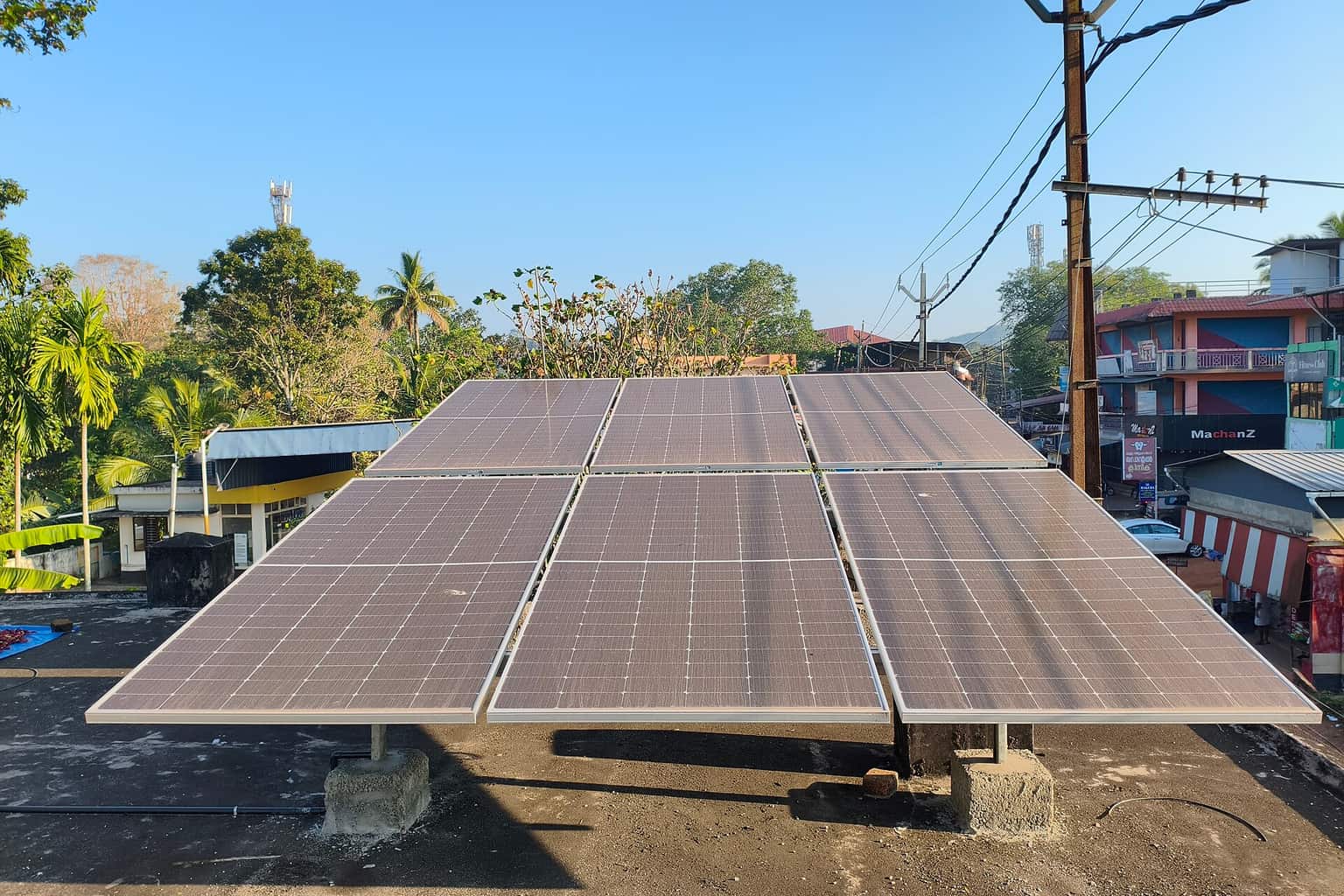
In a cardboard box 12.5 centimetres on each side, with a 5.5-centimetre square skylight opening, halogen lamps stand in for the sun. Under that light, a team from India's Vellore Institute of Technology measured how much heat passes through a new kind of roof glazing: see-through solar panels paired with transparent wood. The bamboo version let in the least heat of all the materials tested, at every level of transparency.
Transparent wood is wood made clear. The team removed the lignin, the compound that absorbs light, from 1-millimetre veneers, then vacuum-infiltrated the remaining porous structure with clear epoxy resin. They tested balsa, poplar, pine and bamboo, behind commercial solar modules with nominal transparency of 0%, 20%, 40% and 60%, and against an 8-millimetre clear-glass reference. The design works in two layers: the solar panel generates electricity while staying see-through, and the wood layer, which also stays transparent, blocks the heat that would otherwise enter the building.
Across 21 configurations, bamboo came out on top. At 60% transparency it recorded 371.78 kWh/m² of heat gain, the lowest figure at every transparency level, and the researchers estimate cooling savings of 20.32 $/m²/year. They also put the carbon benefit at as much as 0.058 tCO2 per year. Adding transparent wood reduced cooling energy demand only slightly. At the lowest transparencies, 0% and 20%, the results stay close to those of solar glazing without wood.
These are estimates. The heat-gain measurements were repeated four times, then extrapolated from representative days across the March-to-October cooling season. The costs rest on an air-conditioning coefficient of performance (COP, the amount of cooling delivered per unit of electricity) of 3.5, an electricity tariff of $0.08/kWh and an emissions factor of 0.98 kg CO2/kWh. A separate study of a different transparent bamboo composite, under artificial sunlight, measured a surface temperature of 59 °C against about 65 °C for transparent glass, pointing in the same direction. The work was published in Scientific Reports.
For a building with skylights in a climate like Vellore's, where the model runs cooling from March to October, the gain would appear in lower air-conditioning bills and a cooler room under the glass. The tests used cardboard models rather than a building, and the researchers give no timeline and no price for the glazing.
Sources — read the originals(Paris time)
Pages consulted while writing
Read next
Comments
Loading the thread…
Sign in to leave a comment. Sign in