Type 2 diabetes: a wearable glucose sensor clears the NHS value bar
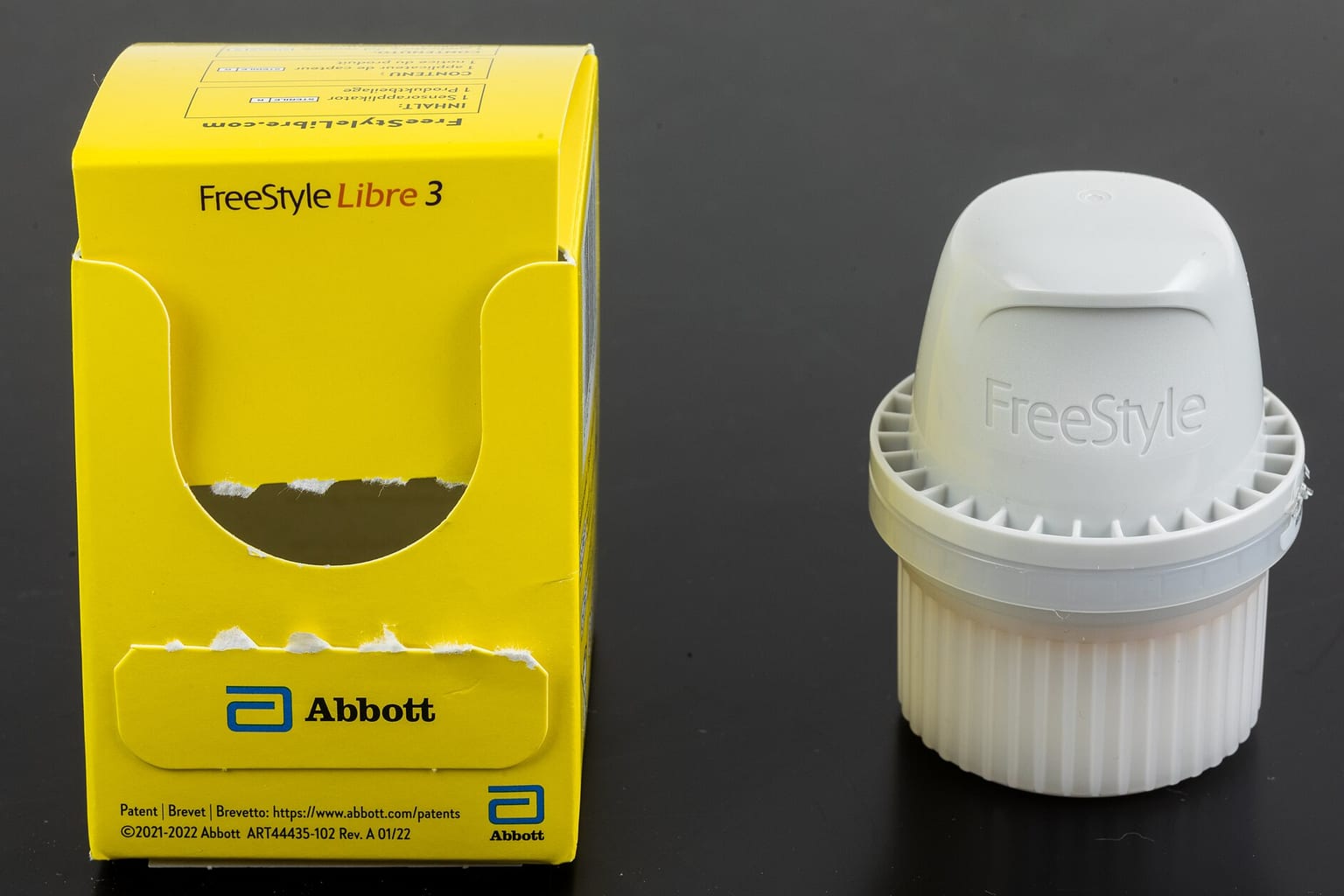
For people with type 2 diabetes who take insulin, the daily routine is familiar: prick a finger, put a drop of blood on a test, read the number, and repeat. A small sensor worn under the skin offers another route, and a study led by the University of Manchester suggests it could be good value for the NHS, Britain's publicly funded health service. The catch is time: the benefit only pays off if people keep using the device for four years or more.
The sensor is a continuous glucose monitor, or CGM. It sits under the skin day and night and measures glucose in the fluid between the body's cells, which closely follows blood glucose. It sends a reading every one to five minutes to a smartphone or a handheld reader, so the user no longer needs to prick a finger to check. The main gain is simple: a person can see their glucose level at any time. There is a limit too. The displayed reading lags behind blood glucose by about 20 minutes, so a fast-moving number needs to be read with that delay in mind.
The stakes are large. About 90% of the 5.8 million people in the UK living with diabetes have type 2, and the condition cost the UK an estimated £8.8 billion in 2021/22, with 64% of that linked to complications such as heart disease, kidney failure, sight loss and amputations. In 2022, the National Institute for Health and Care Excellence, or NICE, the body that judges whether treatments are cost-effective, concluded that real-time glucose sensors were not cost-effective for adults with type 2 diabetes. The authors argue that this advice may now be outdated.
To test that, the team reused data from FreeDM2, a trial in which 303 adults at 24 UK centres were assigned by chance to either Abbott's FreeStyle Libre 3 sensor or finger-prick testing for 32 weeks. All of them had glucose above target despite taking insulin and other diabetes medicines. Those who used the sensor improved their glucose levels more markedly. The researchers then fed those improvements into an established computer model that projects health outcomes and costs over a lifetime. The study was supported by Abbott, the sensor's maker. During the 32 weeks themselves, costs and quality of life did not differ significantly between the two groups, a result the researchers expect because the benefits build up over time.
The model projects an extra £4,341 per person for the sensor. In return, it adds 0.73 quality-adjusted life years, or QALYs, a unit that combines extra years of life with how good those years are. That works out at £5,943 per QALY gained, well under the £25,000 to £35,000 per QALY that England typically uses to judge whether a treatment is worth paying for. The model also projects £2,437 less spent per person on complications.
Those figures depend on time. The improvement in glucose control would need to last at least four years for the sensor to be cost-effective, and the long-term projection assumes people keep wearing the device and keep their glucose levels down. The whole result also rests on one trial of 303 patients, a limitation the authors themselves point out. Rachel Elliott, professor of health economics at the University of Manchester, put the conclusion this way: the sensor offers good value for the NHS "as long as people use the sensor to manage their glucose levels for four or more years."
For a person on insulin, the change is practical: the finger-prick routine can give way to readings sent to a phone. For the NHS, the authors' argument is that the 2022 verdict should be reconsidered, because on their model the sensor falls within the range England already accepts. Whether that holds in real life depends on how long people keep using it, and the trial lasted only 32 weeks. The value case stands or falls on the benefit still being there after that fourth year.
Sources — read the originals(Paris time)
Pages consulted while writing
Read next
Comments
Loading the thread…
Sign in to leave a comment. Sign in