Underwater exosuit cuts breathing 29.77% in flutter-kick tests
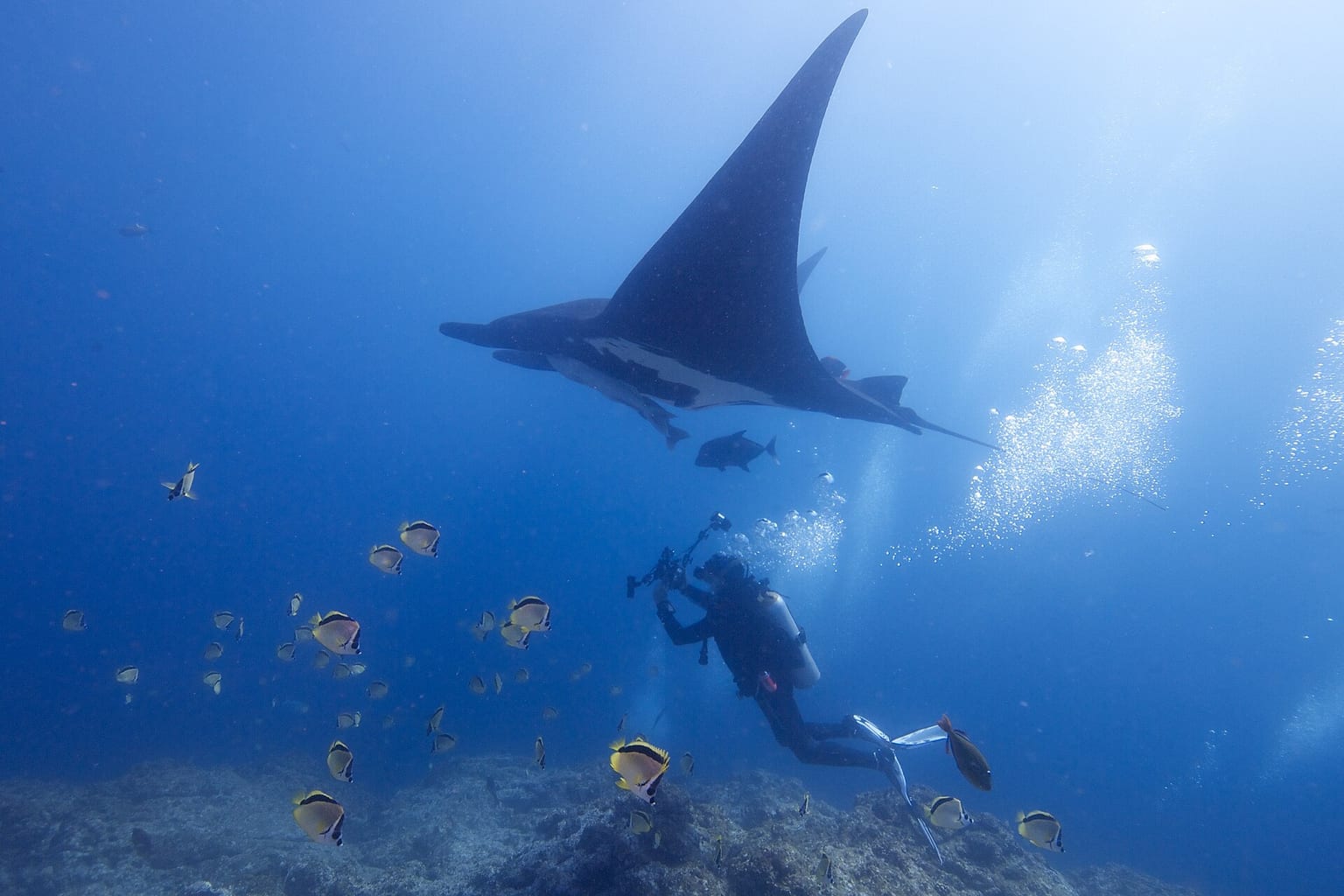
Scuba diving asks a lot of the human body. Every kick pushes against water resistance, while the diver carries a tank, breathing equipment and other gear. Underwater time is limited by physical endurance and by the amount of breathing gas a diver can carry. A team led by professor Wu Xinyu at the Shenzhen Institute of Advanced Technology (SIAT), part of the Chinese Academy of Sciences, has built wearable underwater exoskeletons to lighten that load.
The main system, PEAKED, is a soft hip exosuit designed to assist both hip flexion and extension. It supports several common underwater movements, including flutter kicking, frog kicking and underwater walking. Unlike rigid robotic structures, its compliant design allows large, natural leg movements while still providing mechanical assistance. In earlier human experiments, PEAKED reduced respiratory minute volume, which measures the volume of gas breathed per minute, by 29.77% during flutter kicking, 25.70% during frog kicking and 18.35% during underwater walking. The results suggest that such exosuits may reduce divers' breathing demands across different forms of underwater locomotion.
The researchers are clear that these figures come from their own experiments and that the work remains at the prototype stage. They also explain why underwater exoskeletons cannot copy land designs: buoyancy takes over part of the body-weight load, while water resistance acts through much of the leg movement, which makes bidirectional assistance especially important during kicking. The structure of the device, the joints it assists, and the timing and direction of assistance all have to match each underwater movement. Practical systems must also work with scuba tanks and ballast, stay waterproof under pressure and allow rapid removal in an emergency.
For divers, the gain would be less breathing gas for the same movement, and therefore longer time under water or less effort on demanding tasks. The Chinese team sees two directions for the next stage: personalized assistance and posture stabilization. Systems built on these advances could adjust their help automatically to each diver, each movement pattern and each task, while helping the body stay steady underwater. The researchers do not give a date for practical use.
Sources — read the originals(Paris time)
Read next
Comments
Loading the thread…
Sign in to leave a comment. Sign in