Underwater stereo cameras weigh tilapia in real time, in a prototype
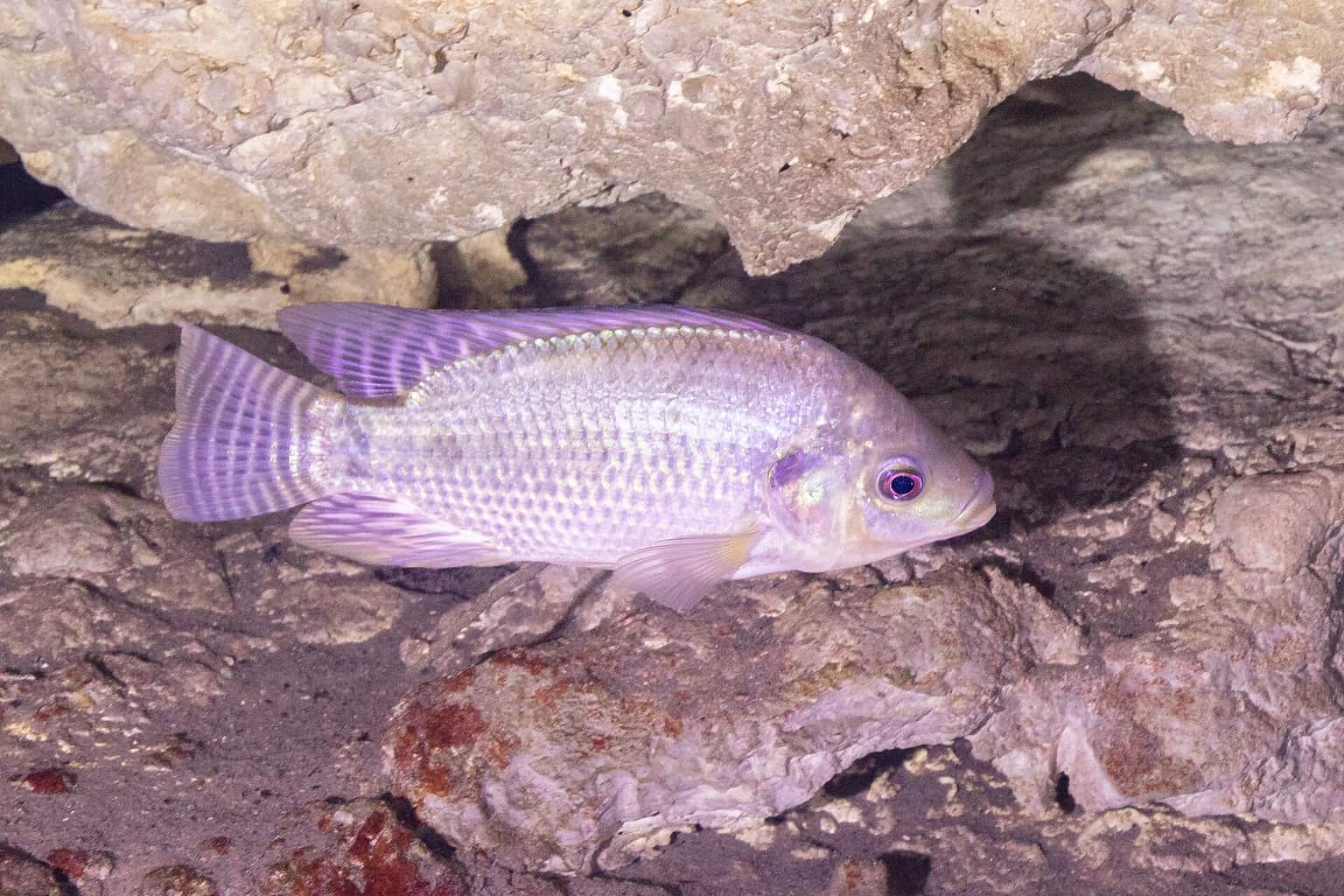
A tank, two cameras, and a tilapia swimming past a lens: this is what the team at Sultan Qaboos University in Oman tested with 25.40 frames per second as its headline speed. The prototype, called StereoGeoBox, estimates the length, width and weight of fish while they swim, and it does so without building the full three-dimensional map of the scene that most underwater imaging methods require.
The method works in steps. Two synchronized cameras photograph the same fish from slightly different angles. The YOLO11 AI model finds the fish in each pair of images and draws a box around it. Because the same fish appears in both images at a slightly different position, the geometry of those two boxes gives its distance from the camera. Only the depth of the detected fish is computed, not the whole scene. The estimated length and width are then passed to an XGBoost model, a machine-learning tool, which predicts the weight.
The team tested the system on tilapia monitored over 15 months, at four growth stages: 2, 3, 6 and 15 months. Manual measurements served as the reference. Across most datasets, StereoGeoBox recorded the lowest or near-lowest errors compared with conventional stereo-vision and learning-based depth methods, and it produced fewer outliers. In the controlled test on a fish of 15.30 cm (6.02 inches), the average estimate was 15.25 cm (6.00 inches). With an FD camera and an NVIDIA Jetson Thor platform, the system ran at 25.40 frames per second, with a latency of 28.2 milliseconds and GPU memory use of 17.7 megabytes.
The system kept reasonable accuracy when lighting changed, when oxygen bubbles rose through the water and when the water became cloudy. Severe visual degradation, however, reduced the number of usable measurements. The prototype combines the underwater cameras, computing on site and a cloud dashboard where growth estimates are recorded and can be viewed remotely.
For aquaculture operators, the immediate benefit is a continuous, remote measure of growth that can guide feeding and harvest decisions without handling the fish. The study has clear limits: it does not demonstrate automatic counting of every fish, nor an estimate of a whole farm's biomass, and because frames are processed separately, the same fish can be observed more than once. The authors say further testing across other species and in commercial aquaculture environments is required.
Sources — read the originals(Paris time)
Read next
Comments
Loading the thread…
Sign in to leave a comment. Sign in