Western Inner Mongolia grid passes 20 GW of operating storage
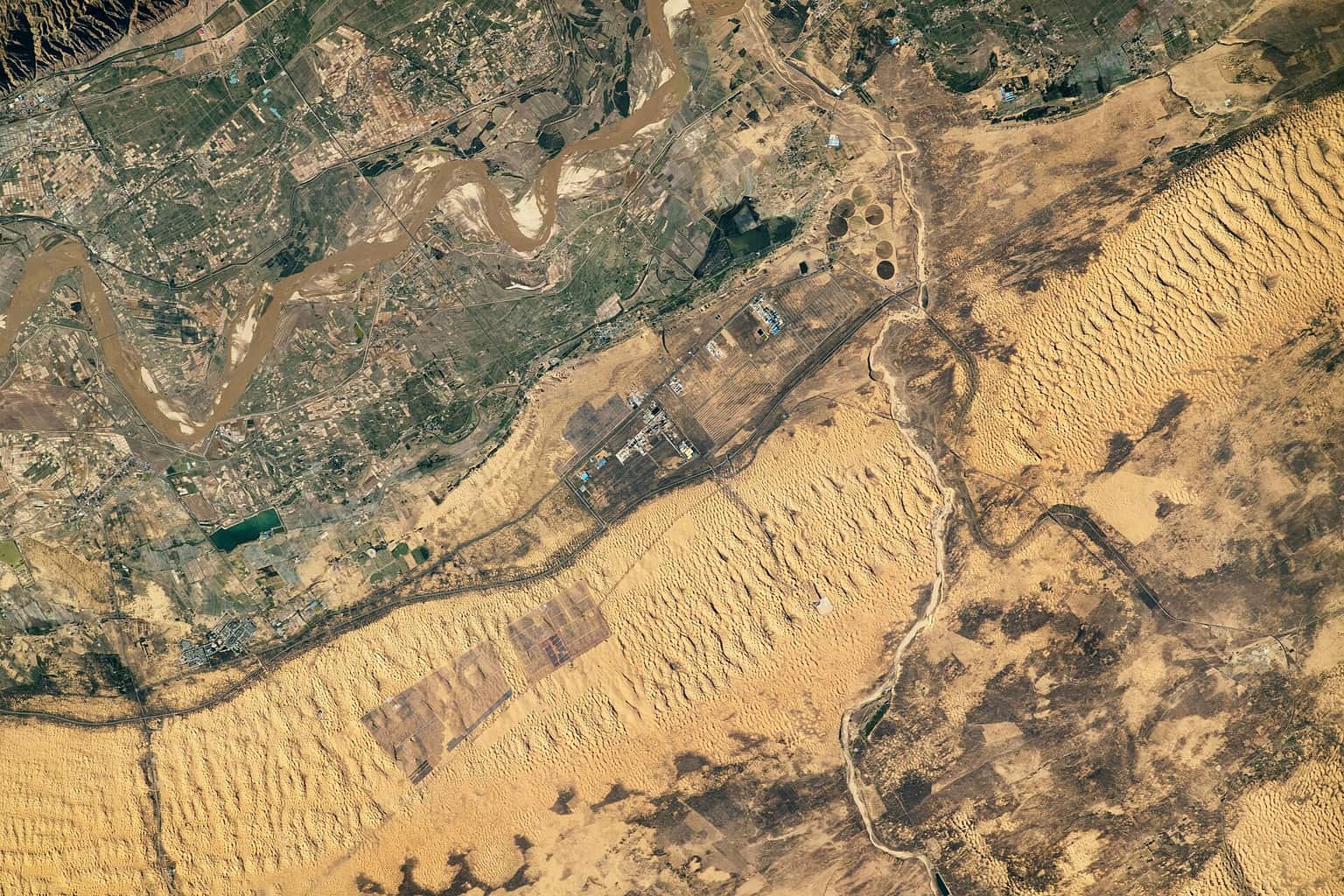
On 22 October, the renewable plants of western Inner Mongolia produced 720 GWh in a single day, 60.2% of all the electricity the grid generated that day. Wind alone set a daily record of 560 GWh. That power travelled over the Mengxi grid, operated by Inner Mongolia Power Group, which serves eight prefecture-level areas in the centre and west of the region.
Wind and solar make up nearly 60% of the grid's installed generation capacity, which makes it a test case for running a power system with a high share of renewables. Storage holds electricity for later use. As of 27 October, the operator reported 20.23 GW / 70.47 GWh of new-type energy storage in operation, equal to 11.5% of the grid's total installed capacity. The figures imply an average duration of about 3.5 hours.
The growth is fast. Between January and October 2026, the grid added 6.555 GW of storage, up 47.9% on the year before, helped by several large independent projects in Wuchuan and Baotou. Cumulative charging reached 15.78 TWh (terawatt-hours) and discharging 14.04 TWh by 27 October, both up more than 400% year on year. Under normal conditions, electricity market mechanisms decide when storage charges and discharges. When supply runs short, the grid operator can call on it directly.
That second mode has been used often. In the first ten months, the grid carried out 95 emergency storage dispatches, and at its peak storage contributed 12.25 GW, equal to 33% of the load at that moment. To coordinate them, Inner Mongolia Power Group has connected 126 storage stations to a central monitoring platform, where operators can watch and control facilities across the grid.
For a regional grid already close to 60% wind and solar, this makes storage an important resource for emergency supply. The shift is visible in the data: independent facilities that take part in the market are increasingly complementing batteries installed alongside individual wind and solar farms. The operator's plan for 2026 is to advance six self-invested storage projects, including developments at Chunkunshan, Hanhai and Erzihao, and to support grid connections for nearly 10 GW of new storage over the year. That figure is a plan for the year, not a count yet.
Sources — read the originals(Paris time)
Read next
Comments
Loading the thread…
Sign in to leave a comment. Sign in