Wireless brain chip tracks Alzheimer's drug effects in minipigs
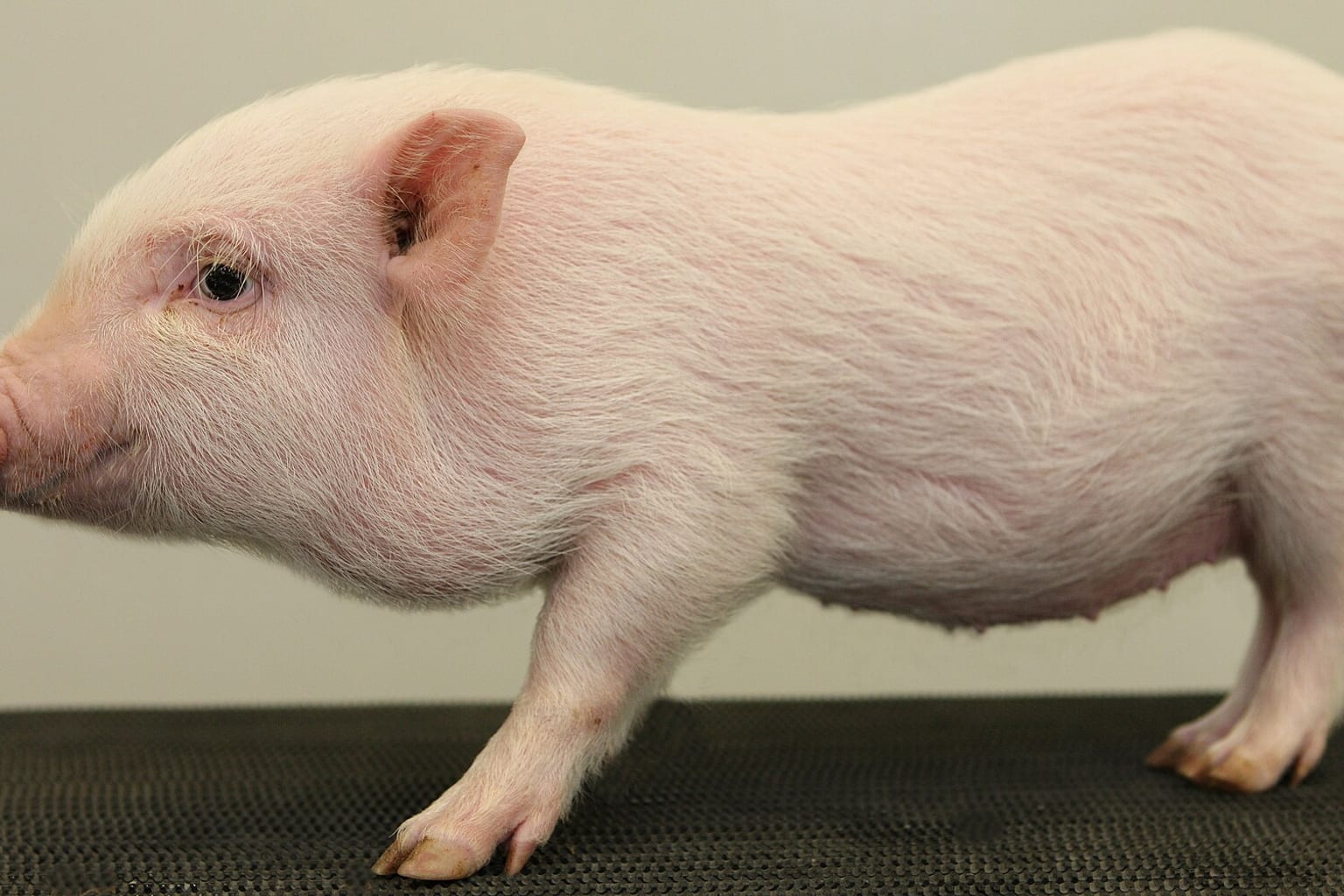
Under a fingertip, the probe is small enough to rest there. Inside the brain of a minipig, the same kind of chip sits in the prefrontal cortex, the region involved in judgment, attention and memory, and it reports what happens after a dose of medicine.
The chip detects acetylcholine, a messenger that carries signals between nerve cells and plays a key role in memory and learning. Donepezil, a drug used to treat Alzheimer's disease, blocks the enzyme that breaks acetylcholine down, so the messenger stays active for longer. The sensing layer combines porous chitosan, which offers a large surface for the enzymes that catch acetylcholine, with ultrathin silver–platinum nanowires that turn the hydrogen peroxide released by the enzymatic reaction into an electrical signal. One electrode carries the enzyme and a second does not; comparing the two cancels out much of the interference from other molecules. A miniaturized circuit sends the result to an external device by Bluetooth.
In the minipigs, the acetylcholine signal rose after donepezil was given, then gradually returned to baseline. The chip also carries a micro-light-emitting diode that can stimulate nerve cells with light. In a separate experiment on transgenic mice, light stimulation increased the acetylcholine signal. The two functions in one chip are what the team presents as the new step.
The limits are clear. The study measured chemistry in animal brains. It did not demonstrate therapeutic effects on Alzheimer's disease or any improvement in memory. Before human use, the chip must be assessed for long-term safety and for how stable its measurements stay after implantation.
For researchers, the immediate gain is a way to compare how a brain responds to different doses and dosing intervals, in the same animal, over time. The study also prepares closed-loop systems, which sense the brain's reaction to stimulation and adjust the next pulse accordingly. The team plans to commercialize the technology through N-Side Inc., a startup founded by faculty, and no calendar has been announced.
Sources — read the originals(Paris time)
Read next
Comments
Loading the thread…
Sign in to leave a comment. Sign in