Wuhan switches on 1 EFLOPS Huawei AI cluster built in one month
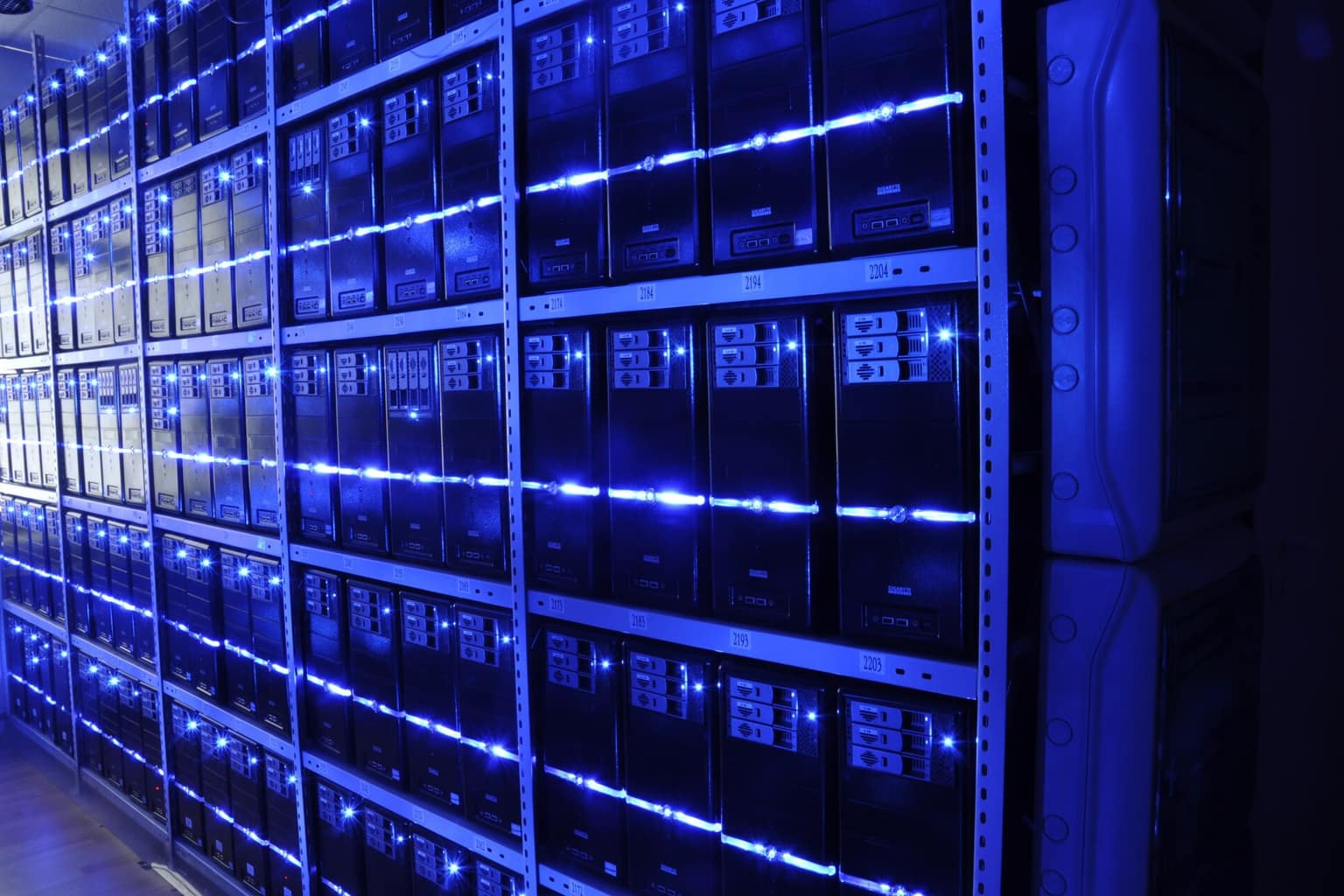
On October 28, at an artificial intelligence conference for Hubei province held as part of Huawei's 2026 China roadshow, a new computing cluster was switched on in Wuhan. Its investor, Hubei Science and Technology Investment Group, a provincial state-backed fund, says the project took only one month from kickoff to power-on, a short timeline for a system of this size.
The cluster is a single liquid-cooled SuperPoD, Huawei's design for linking AI chips into one system. It carries 1,024 Ascend NPU accelerator cards (neural processing units, chips built for AI workloads), and both its compute cabinets and its interconnect cabinets are fully liquid-cooled. It delivers 1 EFLOPS of FP8 compute (FP8 is a low-precision number format used in AI) and has 256TB of globally unified memory.
The point of the design is what happens between the chips. Training large models spends a growing share of its time moving data from one chip to another. Huawei's UnifiedBus interconnect lets every card in the pod access the others directly, so the 1,024 NPUs behave much like one large accelerator rather than many servers linked over a conventional network. Card-to-card bandwidth is at the terabyte-per-second level, and end-to-end communication latency is in the microseconds.
The Wuhan site is also an early real-world deployment of the Ascend 950 generation. Huawei showed a physical Ascend 950 SuperPoD earlier this year, and said at the time that more than 750 sets of its previous-generation Ascend 384 SuperPoD had already been deployed commercially. Huawei has not published the cluster's power draw or detailed utilization figures, and the performance numbers come from the launch event.
For model developers and companies in Hubei, the change is proximity: a large pool of compute in their own province, for training large models and for building, tuning and running industry AI agents. Local reports describe the cluster as filling a gap in high-end computing supply there. The cluster is meant to serve that local demand, and the next measure of its success will be how much of that demand it takes on.
Sources — read the originals(Paris time)
Read next
Comments
Loading the thread…
Sign in to leave a comment. Sign in