3D-printed brain implant curbs seizure-like activity in rodents
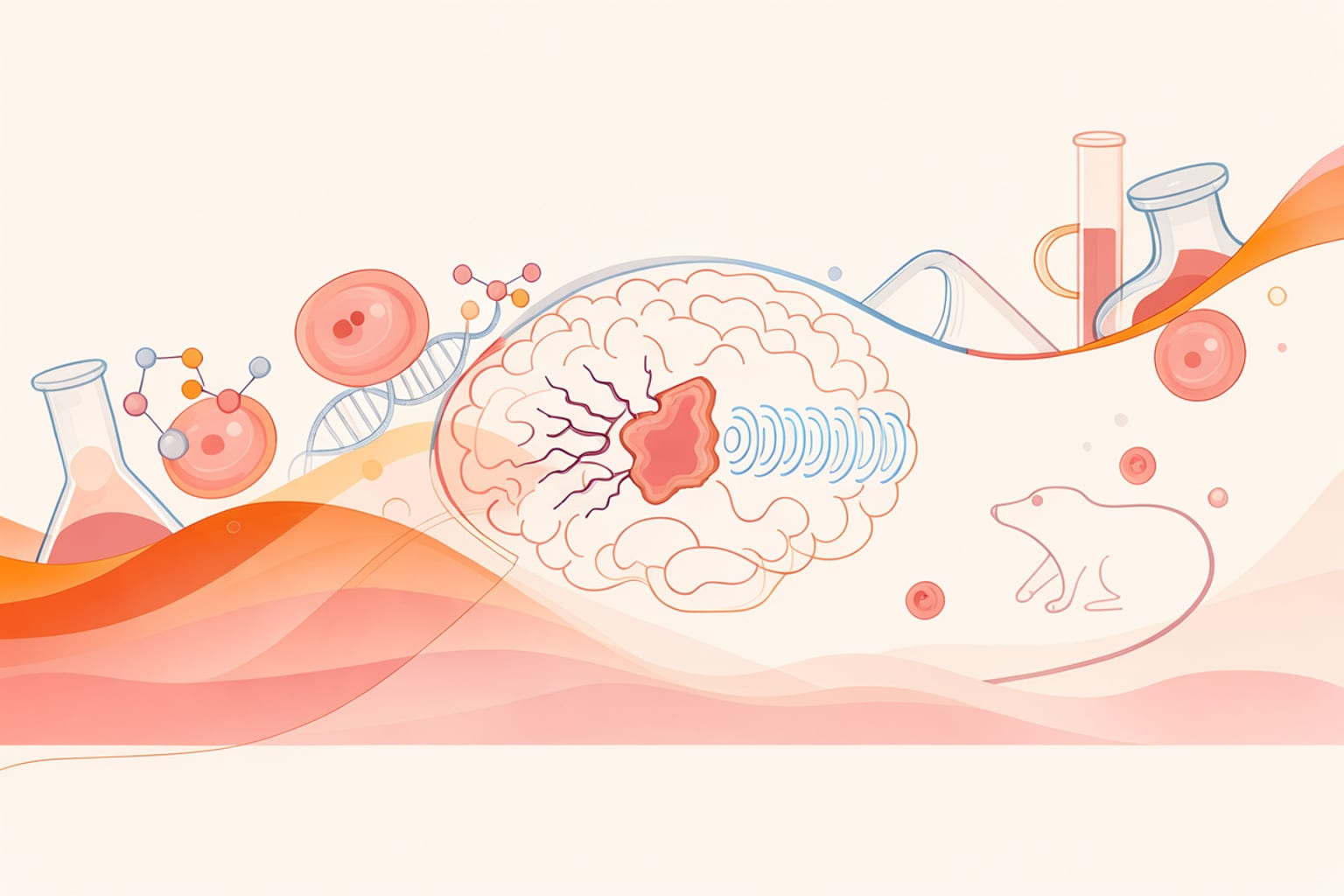
A small device that can listen to the brain and cool a single spot of it at the same time: that is what a team from Dresden has printed. The implant prototype, described in Advanced Science, was developed by researchers at the Leibniz Institute of Polymer Research Dresden (IPF) and the Else Kröner Fresenius Center for Digital Health at TU Dresden, with the University of Sheffield. It targets drug-resistant focal epilepsy, a form of the disease in which seizures start in one region of the brain and medication does not bring them under control.
The device is assembled from soft silicone structures, fluidic channels that carry the cooling, and electronic components, all combined through 3D printing. An auxiliary driver unit monitors the recordings and controls the cooling autonomously. The study presents the approach as a design framework for multimodal implants, and the team says it could reduce implant complexity, fabrication time and device size compared with previously proposed systems.
The cooling was checked first with finite element simulations and agar-based tissue models, which showed rapid, stable and localized cooling. In a rodent model of epilepsy, the implant's 3D-printed composite electrodes produced electrocorticography (ECoG, recordings of electrical activity from the brain's surface) of comparable quality to those from a commercial system. The team also showed that focal cooling suppressed experimentally induced seizure-like activity.
The limits are clear. The tests stopped at simulations, gel models and rodents, and the study reports no use in humans. For patients with drug-resistant focal epilepsy, the promise is a single implant that both detects activity and acts on it, rather than separate systems. Whether that reaches the clinic depends on steps the team has not dated: it describes its work as a foundation for further development toward clinical applications, and it has given no timeline for them.
Sources — read the originals(Paris time)
Read next
Comments
Loading the thread…
Sign in to leave a comment. Sign in