Nine Epilepsy Patients: Brain Response to Stimulation in 18 Minutes
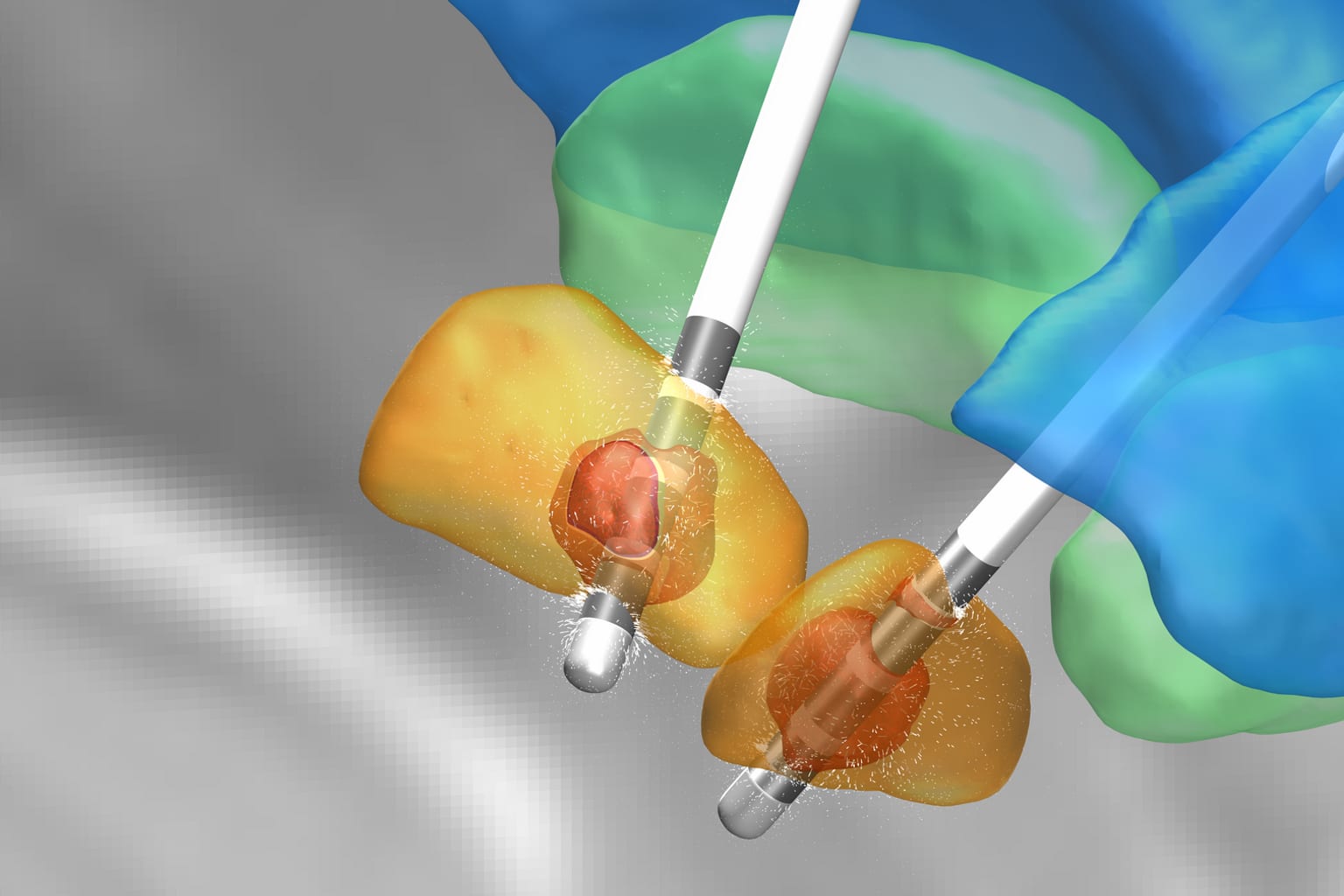
For people whose seizures resist medication, the wait for an answer can stretch across months. Mayo Clinic researchers have now measured changes in the brain within 18 minutes of deep brain stimulation (DBS), a treatment in which electrical pulses delivered through electrodes implanted in the brain can help reduce seizures.
The Food and Drug Administration already approves DBS for certain patients with drug-resistant epilepsy. The hard part comes after surgery. Finding the most effective stimulation settings can require months or even years of adjustments, and seizure reduction takes months to emerge. Seizures also occur intermittently, so a clinician cannot easily tell soon after a change whether it is working.
The study, published in iScience, followed nine adults with drug-resistant focal epilepsy who were undergoing intracranial electroencephalogram (EEG) monitoring as part of their clinical care. The team compared two stimulation patterns. Conventional stimulation is like a drumline playing a steady, predictable beat, while nonperiodic stimulation resembles a jazz drummer, with beats arriving at less predictable intervals. The two patterns affected communication between the thalamus and other brain areas differently, most clearly in connections with the frontal lobe. Jonathon Parker, the senior author, describes it as one of the team's “aha moments”: the brain’s response to stimulation carries information that could be read.
For patients and clinicians, the promise is an earlier, objective signal. If the measured responses prove linked to later seizure reduction, a clinician could compare settings within minutes rather than months. That remains a hypothesis. Parker notes that any predictive algorithm would require prospective validation before clinical use, and the team is also exploring how machine learning and artificial intelligence could help interpret these brain signals.
The next steps are already set. The Mayo Clinic team has expanded the work beyond the nine participants and is investigating whether the information could be captured with less invasive methods. “Ultimately, we want to translate this measurement into something noninvasive and useful to clinicians and patients,” Parker says.
Sources — read the originals(Paris time)
Read next
Comments
Loading the thread…
Sign in to leave a comment. Sign in