3D-printed tungsten survives 74 plasma blasts in a fusion test reactor
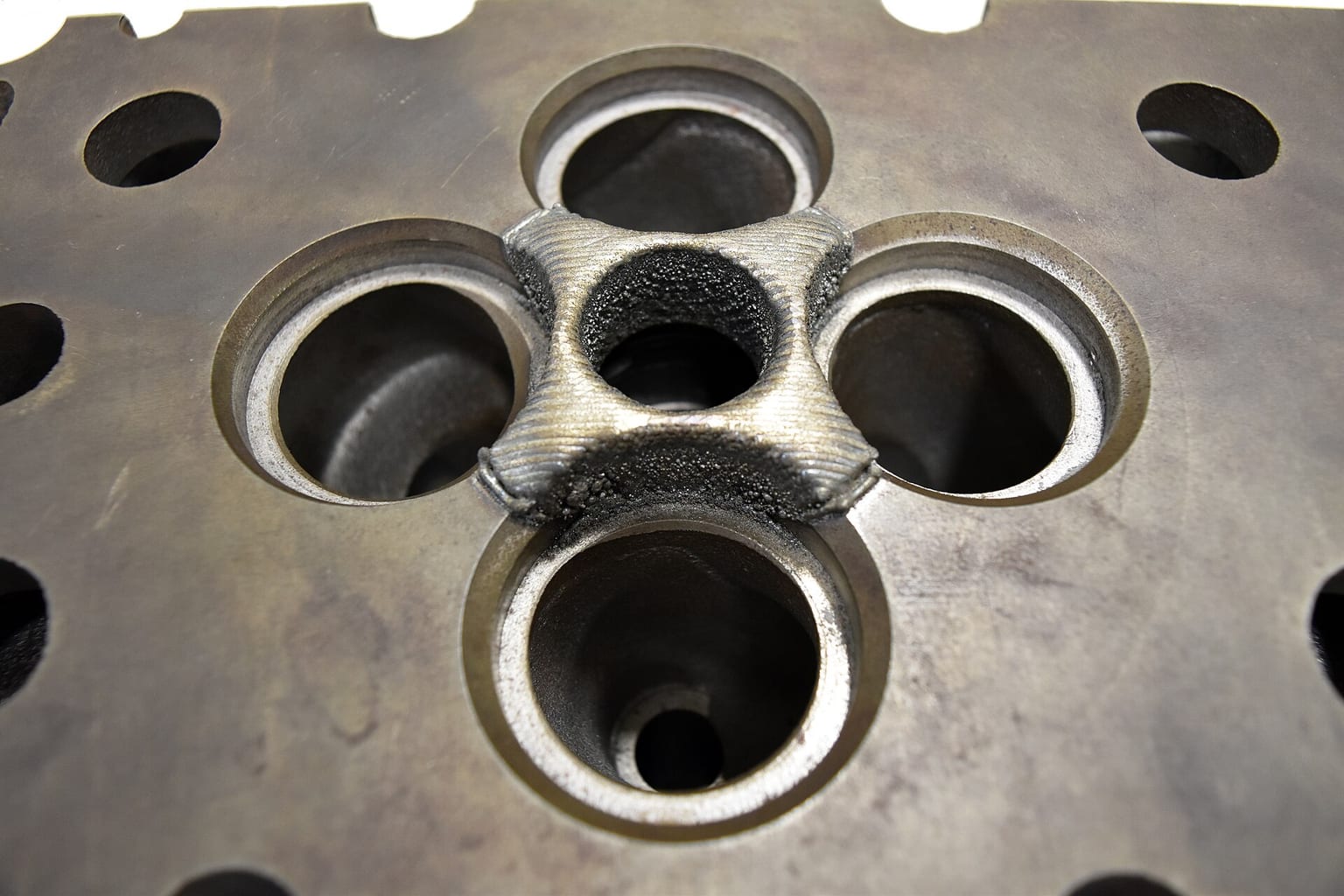
Inside DIII-D, the National Fusion Facility in San Diego, a neighboring tile melted and sprayed liquid metal across the surfaces beside it. The 3D-printed tiles held. Full-size tungsten tiles, printed by a team from North Carolina State University, came through three days of particle bombardment in the machine's exhaust zone, the divertor, and 74 direct plasma discharges without damage. In high-power runs, they were exposed to the plasma for roughly four minutes.
Tungsten is the premier choice to line future fusion power plants. It has the highest melting point of any metal, 3,422°C (6,191°F), more than twice that of steel, and it is about as dense as gold. Its weakness is cold: below 600°C (1,112°F), it turns brittle and shatters like glass under physical stress. Most attempts to print it, nearly all using lasers as the heat source, ended up porous and riddled with cracks.
The fix was to change the heat source. Electron-beam powder bed fusion, or EB-PBF, uses a high-speed electron beam to melt tungsten powder layer by layer inside a vacuum chamber. The beam sweeps the powder bed fast enough to keep the surrounding metal above 1,400°C during the entire build, which prevents cracks caused by thermal shock and brittle cooling. The concept had been proven on small coin-sized samples in 2025. Reactor parts needed more: tiles about 140 millimeters across and 20 millimeters thick. JEOL fabricated them on its large-format printer in Akishima, Japan, and the team made the leap in eight months, with Oak Ridge National Laboratory providing fusion materials expertise and project funding.
Printing was only part of the job. At North Carolina State University, engineers shaped the mounting fixtures by electrical discharge machining, a wire-cutting method that introduces no mechanical strain. A computer-controlled grinder then removed about 250 microns from the surface, leaving a mirror-like finish tailored to the curved walls of the divertor. The tiles were mounted on copper-alloy pedestals, bolted into the reactor, and tested in July.
Scientists say the trial removes a critical bottleneck on the road to commercial fusion energy. The team showed that large-format additive manufacturing can produce robust, crack-free tungsten parts, which makes advanced 3D printing a viable factory method rather than an experimental curiosity. For fusion developers, that opens a route to building the components that line future reactors at industrial scale.
The work is not finished. Qualifying the part requires more data. "Qualifying new materials and manufacturing methods requires fusion-relevant data," said Dr. Florian Laggner, an assistant professor and plasma physicist in NC State's Department of Nuclear Engineering. "By exposing additively manufactured tungsten in DIII-D, we are generating that data on survivability and erosion." No date for the next campaign of exposures has been announced.
Sources — read the originals(Paris time)
Read next
Comments
Loading the thread…
Sign in to leave a comment. Sign in