A $1 port for refueling satellites heads to the ISS for a test
A refueling port that any company can license and build for $1 is heading to orbit for its first test. The price is the headline, but the design is the point: the same connector sits on both spacecraft, so either one can pump fuel into the other. Spaceium, the startup behind it, presents OpenPort as a shared standard for the whole industry rather than a product for its own satellites.
Today a satellite carries a fixed supply of propellant for its planned mission. When that supply runs low, operators often retire spacecraft whose electronics and other systems still work. A common connection is missing: each manufacturer builds its own interface, so a tanker from one company may not link with another company's spacecraft, and operators must check compatibility before any transfer.
OpenPort is identical on both vehicles and androgynous, so fuel can flow in either direction. It takes the place of the conventional fill-and-drain valve, which normally serves only ground fuelling before launch. OpenPort keeps that connection working after the spacecraft reaches orbit. Spaceium says the design handles higher pressures and greater docking misalignment than competing refueling interfaces. These are the company's own figures, not yet checked in orbit.
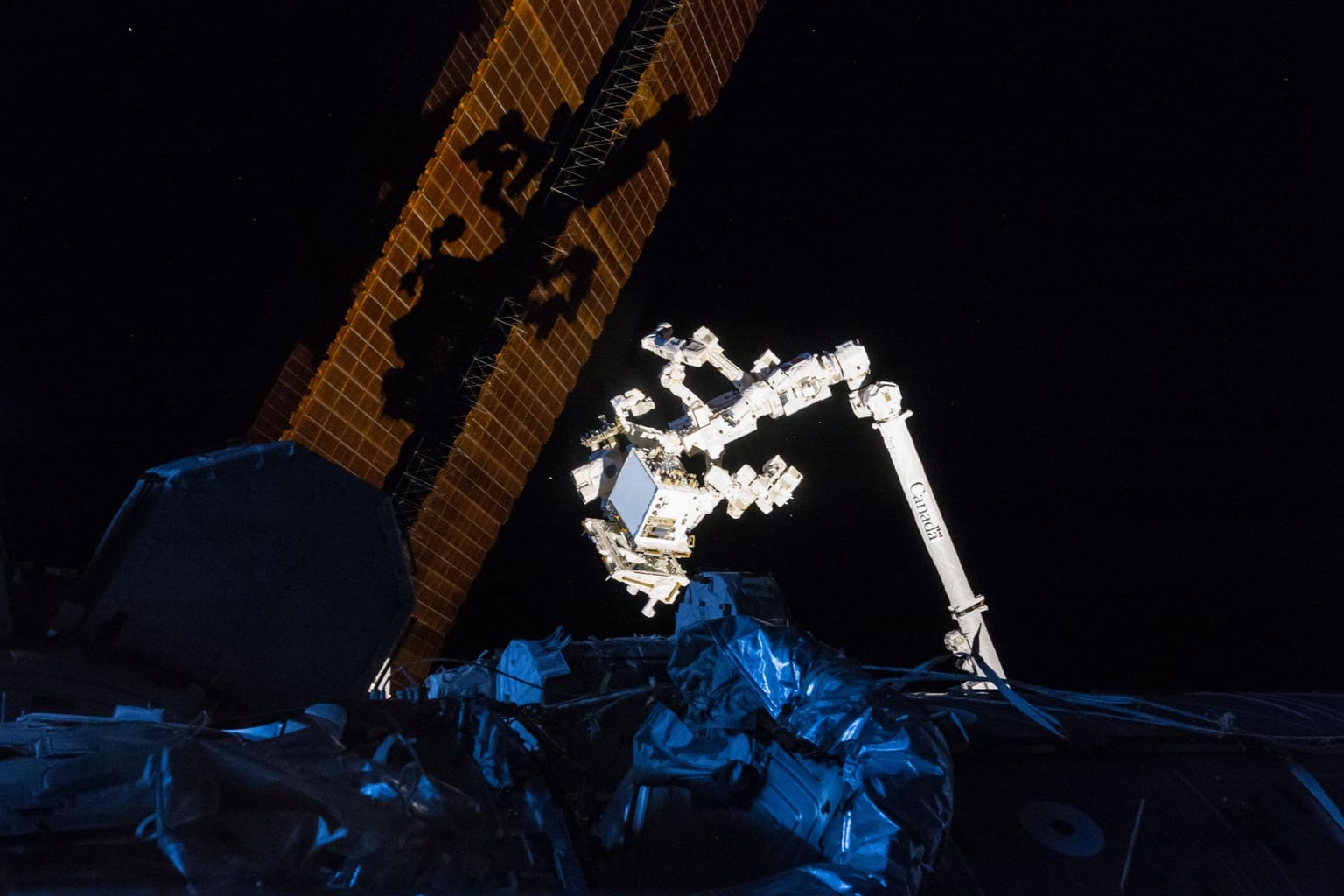
The test is set for the International Space Station. Spaceium plans to fly the hardware as a NASA-approved external payload, through Voyager Technologies' commercial payload service. During the demonstration, the port will move xenon between two tanks in orbit, which Spaceium describes as the first xenon transfer ever performed in orbit. Payloadspace gives the flight for the first half of 2027. The test will show whether two spacecraft can exchange propellant through a standard connection, and the port has not yet flown.
For operators, the stakes are satellite lifetimes and the reach of missions. A satellite able to take on fuel could keep working after its own tanks run dry, and lunar missions or orbital transfer vehicles could travel farther without carrying all their propellant from Earth. Spaceium's business is different: it plans automated stations across low Earth and geostationary orbit that sell propellant as a service. Its CEO says the port itself is not the business. Every spacecraft fitted with OpenPort could become a customer, and the company expects its rivals' stations to benefit as the standard spreads. The first refueling station is still ahead, and whether manufacturers adopt the shared connection will decide how far it goes.
Sources — read the originals(Paris time)
Pages consulted while writing
Read next
Comments
Loading the thread…
Sign in to leave a comment. Sign in