Water-fuelled spacecraft validates avionics on its first test flight
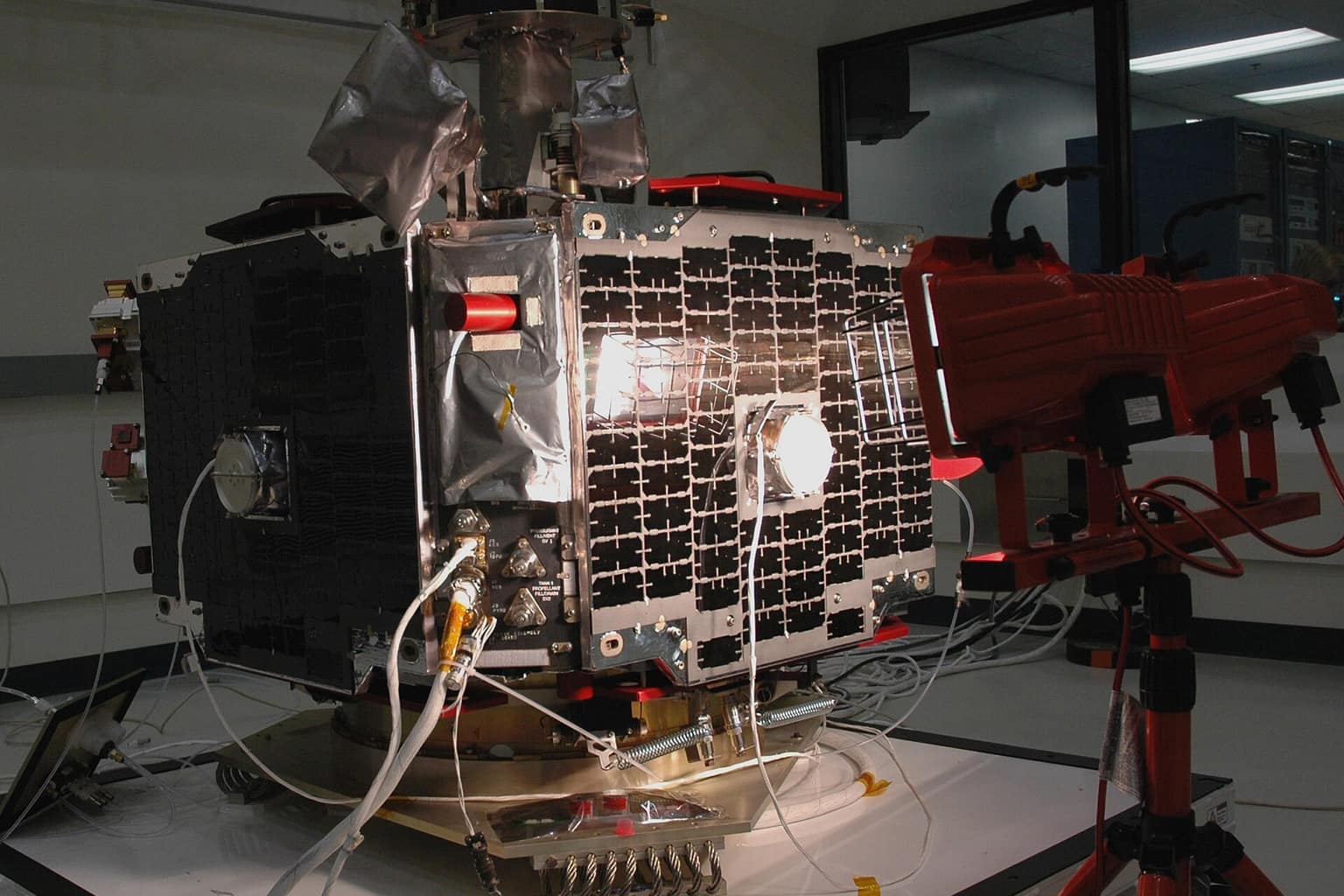
In July, Argo Space's first test spacecraft separated from its launch vehicle, sent telemetry and generated power. The flight ended early. One of the two solar arrays meant to unfold did not deploy, CEO Robert Carlisle told Ars Technica, so the craft used more energy than it made until its battery drained, before the team could test propulsion. The team did validate its flight software and core avionics. The startup has raised $20 million and employs fewer than 30 people, and it built its plan around one ingredient. "We based the company on water," Carlisle said.
The mechanism is electrolysis. Chiron, the company's next spacecraft, weighs about 200 kilograms and carries its fuel as liquid water. In orbit, solar power splits that water into hydrogen and oxygen gas, and a conventional rocket engine burns the gases for thrust. Ars Technica reported that this gives more thrust than a typical electric thruster at similar power. Argo says water is easier to handle than the usual propellants: it stores as a dense liquid at modest pressure, the gases need none of the supercold tanks that liquid hydrogen and oxygen require, and water cools the thrusters and electronics, letting the vehicle devote more of its mass to propellant.
Chiron can deliver 2,000 to 4,200 meters per second of high-thrust delta-v per tank before refuelling, Argo says. Delta-v is the total change in speed a spacecraft can produce, a standard measure of how far it can go. Ars Technica reported that more than 2,000 meters per second would be enough to raise a circular orbit from about 250 miles above Earth to more than 3,100 miles. Those are the company's own figures. Argo has not reported firing its water-based engine in orbit, and water propulsion has flown before, on a NASA demonstration and on a Momentus spacecraft.
For the customers who will fly first, the change comes in 2027. Argo plans two Chiron missions carrying U.S. government payloads. The first will fly to low-Earth orbit on a commercial rocket the company has not named. The second will head to geostationary transfer orbit, a stretched path toward the high orbit where many communications satellites operate, on a government-supplied launch vehicle. Carlisle said rideshare slots on the Falcon 9 rocket, where small craft fly alongside a larger payload, now require a long wait.
Argo's longer plan points to the Moon. The company chose water because it may be harvestable there, though Ars Technica notes that lunar water is only potentially harvestable. Argonaut, a larger vehicle the company says could carry up to about 1,400 kilograms, is the next step in scale. Separately, ispace and Argo said in September that Argonaut will carry ispace's lunar relay satellite to lunar orbit as soon as 2027. The next milestone is those two Chiron flights, the first to low-Earth orbit.
Sources — read the originals(Paris time)
Read next
Comments
Loading the thread…
Sign in to leave a comment. Sign in