A blood test flags lymphoma patients who respond to cell therapy
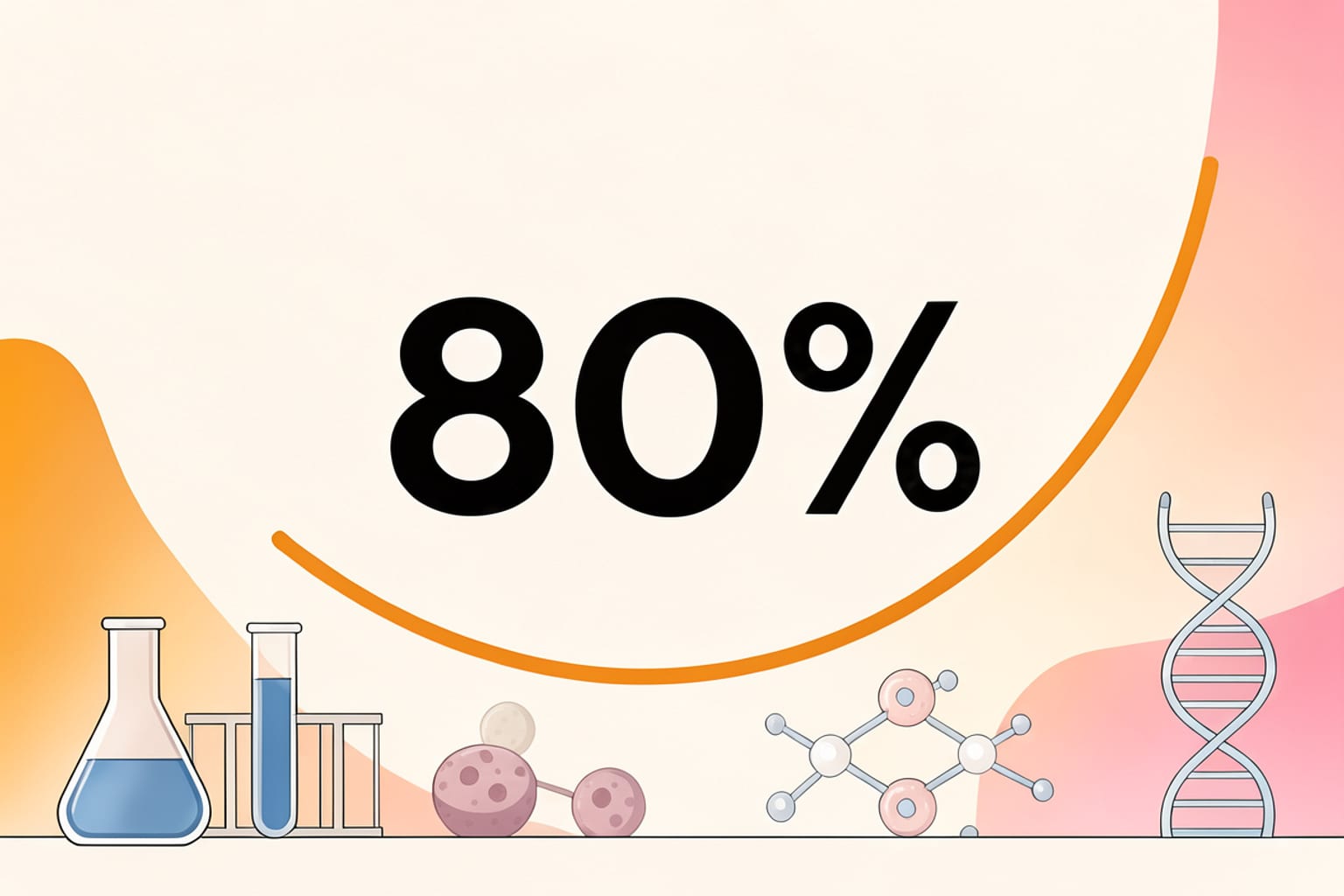
Before they received their treatment, the blood of 91 lymphoma patients already carried a clue about what would happen next. At Dana-Farber Cancer Institute, those whose plasma, the liquid part of the blood, showed a particular gene signature were far less likely to see their cancer progress. Patients with high scores had 80% lower risk of progression than patients with low scores. The study, by Cornell engineers and Dana-Farber oncologists, was published on 18 November in the journal Cell Reports Medicine.
The target is large B-cell lymphoma, an aggressive blood cancer. A current therapy, CAR T-cell therapy, in which a patient's own immune cells are engineered to hunt cancer, has transformed its care. But nearly half of patients either fail to respond or relapse within a year. Until now, doctors had few reliable ways to tell in advance who would do well.
The new signal comes from cell-free RNA, fragments of genetic material that cells shed into the bloodstream. These fragments carry traces of the tumor's surroundings, the mix of immune, structural and blood vessel cells that sit around it. An earlier study in the journal Cancer Cell, based on biopsies, had sorted lymphomas into three types. Tumors with a “lymph node-like” surrounding responded better to CAR T therapy, while two others were linked to treatment failure. The Cornell team, led by Iwijn De Vlaminck, asked whether a blood draw could read that same neighborhood without a biopsy. “You can collect tissue and biopsy, but it's quite invasive,” De Vlaminck said. “The advantage is that you can sample it noninvasively.”
The lymph node-like signature showed up in the blood. Patients who responded had higher scores than non-responders, mirroring what the biopsy study had found in tumor tissue. Across three separate groups of patients, those with above-median scores stayed free of progression significantly longer. The signal was absent from the immune cells circulating in matched blood samples, which suggests that the plasma RNA reflects activity in the tissue itself.
Two checks matter most. The score does not simply measure how much cancer a patient has: measured against lactate dehydrogenase, a standard proxy for tumor burden, it showed no significant link. And in statistical models, it predicted response better than clinical factors did. The authors also ran several other tests that point to a signature specific to CAR T response.
If the findings hold, the authors see two uses. Doctors could spot patients with unfavorable tumor surroundings before infusion and offer additional treatments aimed at reshaping them, such as targeted radiation or drugs acting on macrophages, a type of immune cell. A later blood test could then confirm that the intervention had worked before the CAR T cells are given. Conor Loy, co-founder of the biotech startup Romix Biosciences and co-first author of the study, said the approach could reach beyond lymphoma: “This technology could help guide treatment decisions, matching patients to treatments that are right for them.”
The findings have not yet been shown to change patient outcomes, and the model needs validation in larger, multi-institution groups. Agun, a doctoral student in De Vlaminck's lab and one of the first authors, said the next step is to extend the work to other patients receiving CAR T therapy, and to check whether the result holds across different settings.
Sources — read the originals(Paris time)
Pages consulted while writing
Read next
Comments
Loading the thread…
Sign in to leave a comment. Sign in