Myeloma: two-target cell therapy shows promise after relapse
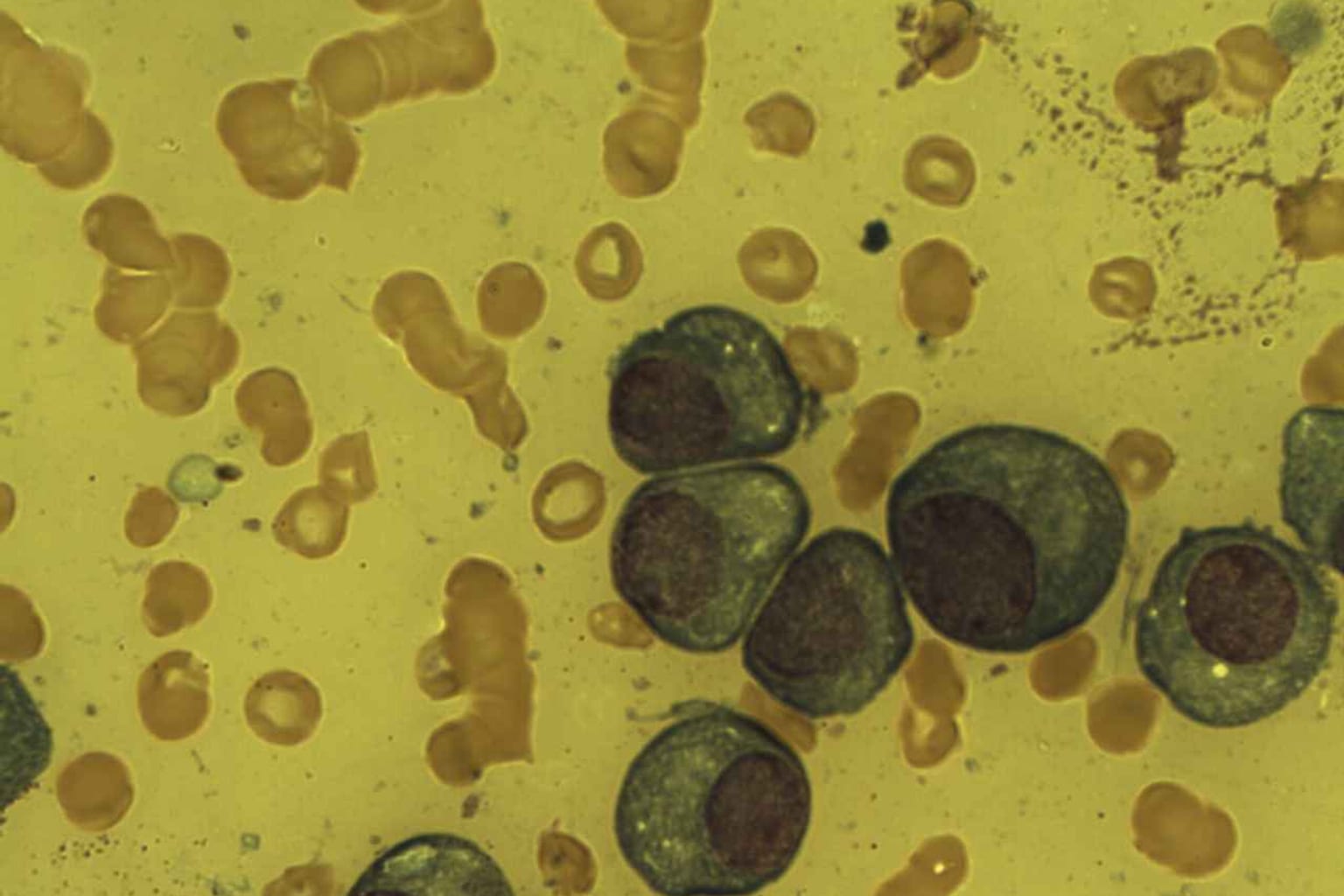
Fifteen patients had run out of standard options. Their multiple myeloma had come back despite many rounds of treatment, and nine of them had already received a CAR T-cell therapy aimed at BCMA, a protein found on myeloma cells, only to see the disease keep progressing. In the first test of a new version in humans, 12 of the 15 patients (80%) saw signs of their cancer fall by at least half.
Multiple myeloma is a cancer of plasma cells, the immune cells that make antibodies. CAR T-cell therapy starts by taking a patient's own T cells, another type of immune cell, and modifying them so they can recognize and attack the cancer. Existing versions target BCMA. Marcela Maus, who directs the cellular immunotherapy program at the Mass General Brigham Cancer Institute, says BCMA-targeted therapy has transformed treatment, but most patients eventually relapse. When cancer cells stop displaying BCMA, a therapy that only looks for that protein has nothing left to grab.
The team's answer, TriPRIL, gives the cells a second target. Engineered by Mass General Brigham researchers, it makes the cells recognize both BCMA and TACI, a second protein on myeloma cells. Because the design is based on human proteins, the researchers believe it may be less likely to trigger anti-drug antibodies, which can weaken how long CAR T cells persist and keep working. In the patients tested, no immune reaction against TriPRIL was seen.
The results, published in The Lancet by a team whose first author is Benjamin R. Puliafito, go beyond the response rate. Eight of the 15 (53%) had blood, urine and bone marrow tests showing no sign of active myeloma. In some patients, TriPRIL cells could still be detected in the blood more than six months after treatment. No severe cases of immune overreaction were recorded, and no severe nerve-related side effects either.
For patients whose myeloma has returned after BCMA therapy, the result points to a second route worth testing. Nine of the 15 had already gone through that first route and failed it, and the second target gave the cells something to aim at. For now, it remains a single small trial.
The caveats matter. With 15 patients followed for a relatively short time, the study cannot yet say how long the benefits last or reveal rarer side effects. The researchers are planning a Phase II trial, a larger second-stage study with more patients and longer follow-up, to answer those questions.
Sources — read the originals(Paris time)
Pages consulted while writing
Read next
Comments
Loading the thread…
Sign in to leave a comment. Sign in