Two drugs help CAR T cells hit Ewing sarcoma in preclinical models
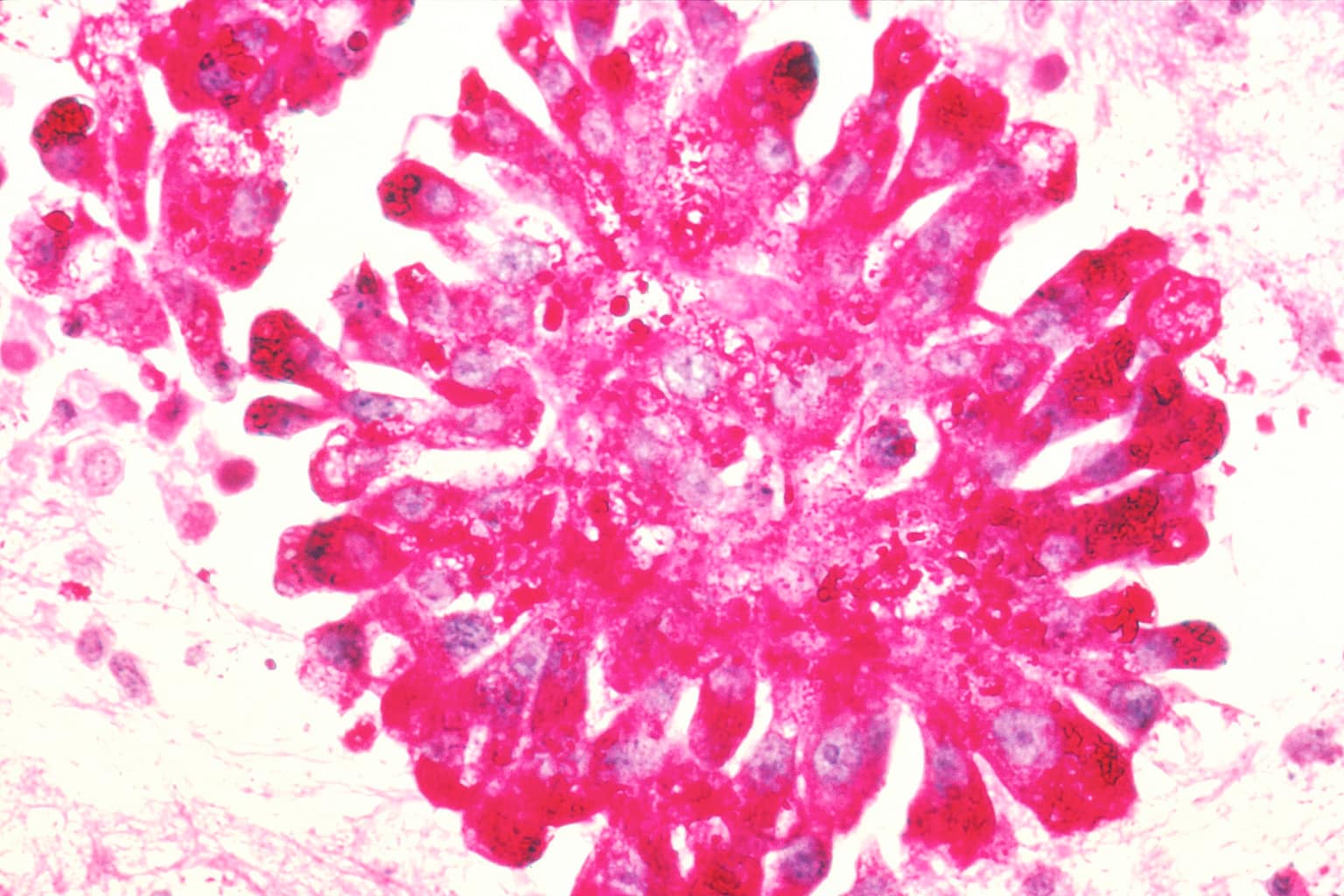
Two pediatric oncologists at the University of North Carolina, Ian Davis and Justin Sperlazza, have found a way to make Ewing sarcoma cells easier to target with CAR T-cell therapy. In a paper published in Molecular Cancer Therapeutics, they show that two drugs, tazemetostat and entinostat, switch on a molecule called GD2 on the surface of the tumor cells. In their preclinical model, the combination helped GD2-specific CAR T cells target Ewing sarcoma more effectively, and more than half of the treated models were disease-free by the end of the study.
Ewing sarcoma is a rare cancer that affects young adults and children. Standard care combines chemotherapy, surgery and radiation, and many children still do not overcome the disease. CAR T-cell therapy works differently: it trains a patient's immune system to find and eliminate tumor cells. But the method depends on a visible target, and GD2, a molecule found on some cancer cells, acts as the beacon that tells these immunotherapies where to strike. In Ewing sarcoma, GD2 had to be forced to turn on first. UNC colleague Barbara Savoldo, who has been developing the next generation of CAR T cells that target GD2, partnered with the two oncologists on the project.
Sperlazza ran a series of tests, with help from the Eshelman School of Pharmacy's Center for Integrative Chemical Biology and Drug Discovery, to identify drugs that could do the job. Two candidates emerged. Tested together in the preclinical Ewing sarcoma model, tazemetostat and entinostat made the tumor cells more responsive to the GD2-specific CAR T cells.
For children and young adults whose tumors resist first-line treatment or relapse, the approach offers a possible combination for future clinical trials. Davis describes the current treatment as exhausting, marked by frequent hospital admissions, clinic visits and significant side effects, and the team hopes a therapy that minimizes toxicity could improve overall health outcomes. The lab is now checking whether the GD2 strategy also works with other cancer drugs and with established immunotherapies such as antibody therapies, a route Davis expects to speed the findings toward patients.
The results remain preclinical, since they come from the team's own experiments, and no date for clinical trials has been announced. Sperlazza said the team believes it is "on the cusp of getting this combination therapy to clinical trials" now that the strategy has worked in the model.
Sources — read the originals(Paris time)
Read next
Comments
Loading the thread…
Sign in to leave a comment. Sign in