A blood thinner reduces joint damage in mice and monkeys
Osteoarthritis wears away the cartilage that cushions the ends of bones, and joints become painful and stiff as it goes. No approved drug yet slows or stops that process. At Yale University School of Medicine, the team led by Chuan-ju Liu went looking in an unexpected place: a library of 980 approved drugs, screened for compounds able to suppress two inflammatory signals behind the disease. Three stood out. Further testing narrowed them to one, dabigatran, a blood thinner prescribed to prevent clots and strokes.
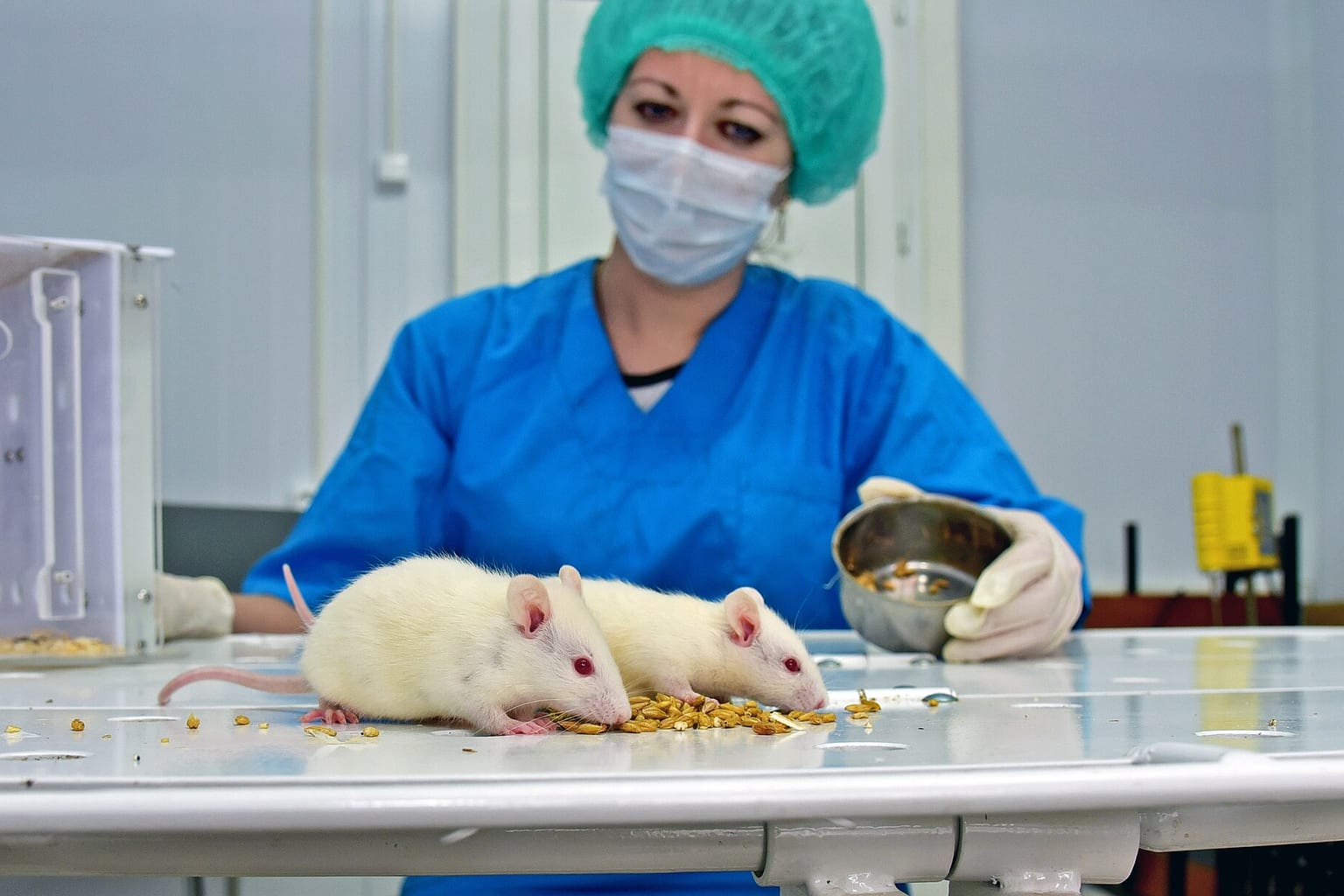
The researchers then tested it on animals with surgically induced osteoarthritis. In mice, the drug injected into the affected joints reduced cartilage damage and joint inflammation, and the animals showed less pain-related behaviour and moved more freely. In macaques, which received it orally, dabigatran helped preserve cartilage and improved their ability to walk, with less abnormal hardening of the bone beneath the cartilage. The results were published in Science Translational Medicine, led by Wenyu Fu and colleagues.
The mechanism is what makes the result unusual. Inflammatory signals such as TNF-alpha and IL-1beta bind to receptors on the surface of cells, and the BIG2 protein helps control how those receptors move. Dabigatran acts on BIG2 so that cells release one receptor, TNFR1, and break down another, IL-1R1. The cells then respond less to both signals, a route the authors describe as one not previously recognised for calming inflammation.
The work remains at an early stage. The treatment has not been tested in people with osteoarthritis, and dabigatran's blood-thinning effect raises a concern about bleeding. The authors say that comprehensive safety studies covering infection, bleeding risk and long-term tolerability will be required before any clinical use. No timeline for those studies has been announced.
For people living with osteoarthritis, the gain would be a drug that targets the inflammation driving cartilage loss, not only the pain. That is a prospect, not a treatment: the next step is the safety work the authors describe, and only if it succeeds would human trials become possible.
Sources — read the originals(Paris time)
Pages consulted while writing
Read next
Comments
Loading the thread…
Sign in to leave a comment. Sign in