A cargo plane with no pilot completes test flights in Louisiana
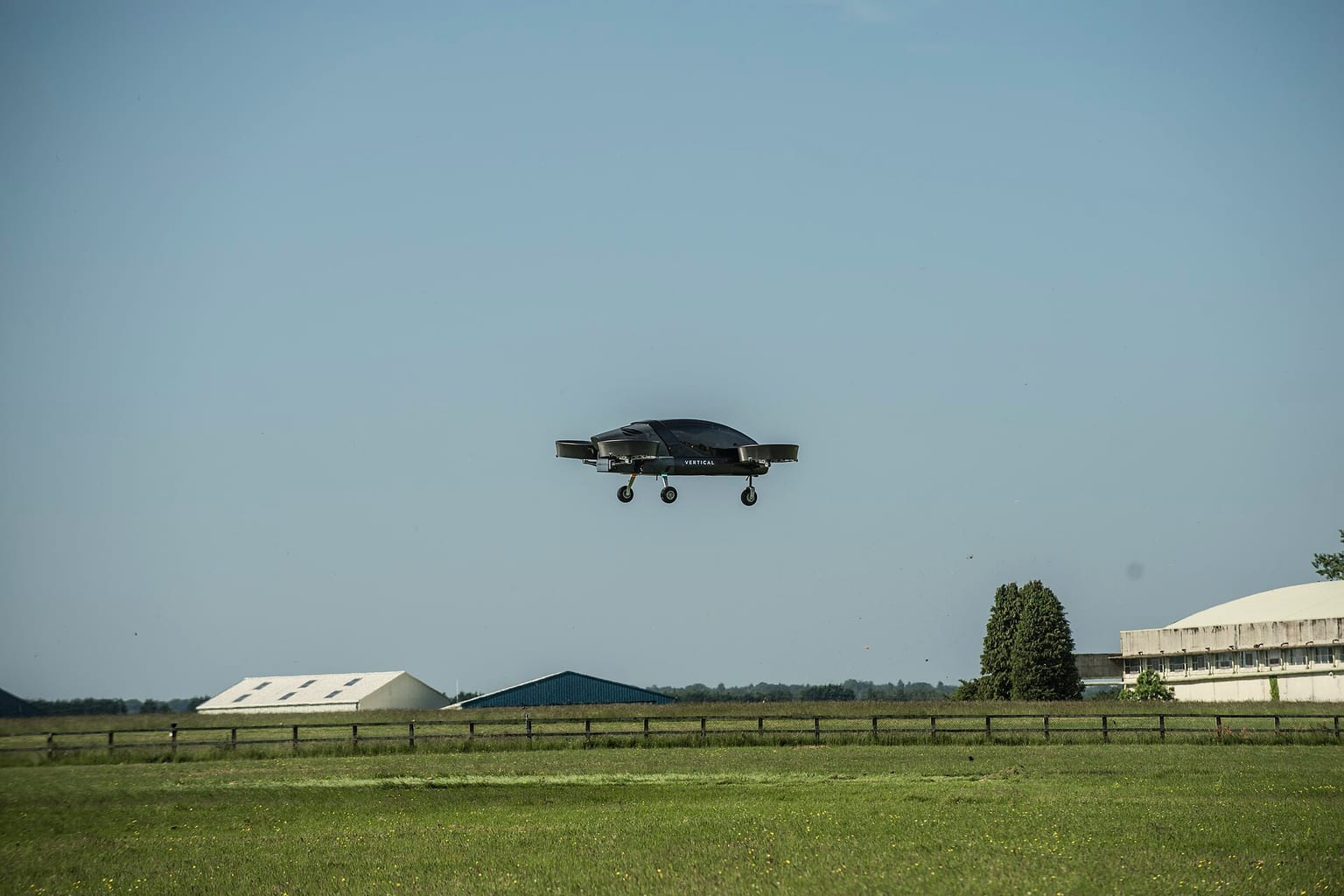
For a week in late August, a cargo aircraft with no one on board took off and landed at Houma-Terrebonne Airport in Louisiana. It carried packages, medical supplies, toolboxes, food and water, all under air traffic control. The flights were part of the Federal Aviation Administration's (FAA) eVTOL Integration Pilot Program, a US federal program that tests how electric vertical take-off and landing (eVTOL) aircraft fit into national airspace. Elroy Air, the US developer behind the aircraft, announced the first uncrewed autonomous flights under the program on 2 September.
The aircraft, Elroy's Chaparral, is hybrid-electric: electric propellers handle the lift, and a separate propulsion system pushes it forward. The propellers lift it off and set it down, and then it flies like an airplane, which removes the need for a runway. Its cargo rides in modular pods, so a delivery needs no ground infrastructure at the destination. The design target is more than 227 kg of cargo over up to 724 km. In its current demonstration configuration, the aircraft carries up to 136 kg over 483 km.
Skyways has taken a different route with its Skyreach, which it began producing in Austin, Texas. Customer flights, with defense and commercial buyers, are scheduled to begin in December. The 2,092 km range applies to the maximum-fuel configuration and assumes only 4.5 kg of cargo, and the range shrinks as the load grows. Its combined fuel and payload capacity is 45 kg. The project is backed by a $37 million award from the US Air Force's AFWERX program. Skyways estimates an operating cost of roughly one-tenth that of a helicopter, but it gives no price and does not say which helicopter it means. It also notes that these are design figures that may change during flight testing.
Other projects are further behind. Poseidon Aerospace is developing the Egret, a fixed-wing plane that uses conventional runways and is designed to carry up to 1,814 kg. The company raised $60 million in September and expects its full-scale aircraft to make a first uncrewed flight by the end of 2026, after its quarter-scale Seagull demonstrator flew. Czech company Zuri plans to begin flight tests of its hybrid-electric tiltrotor in early 2027. Bell and Near Earth Autonomy are adapting a Bell 505 helicopter for a US Marine Corps resupply program, with a prototype as the goal.
The limits are clear. The Louisiana flights were a test under a federal program, and a trade report notes that neither that program nor the state's Vertiport Development Fund has put money behind them. No one has yet said when uncrewed cargo flights will move from a pilot program to routine service.
For remote areas and military units, the gain is in the trip itself. A plane that needs no runway and no ground infrastructure at the far end can bring medical supplies and packages where a conventional cargo plane cannot land. The next steps are dated: Skyways' customer flights are scheduled for December, Poseidon expects the Egret's first uncrewed flight by the end of 2026, and Zuri plans its flight tests for early 2027.
Sources — read the originals(Paris time)
Pages consulted while writing
Read next
Comments
Loading the thread…
Sign in to leave a comment. Sign in