US regulator lets BETA fly prospective customers in electric aircraft
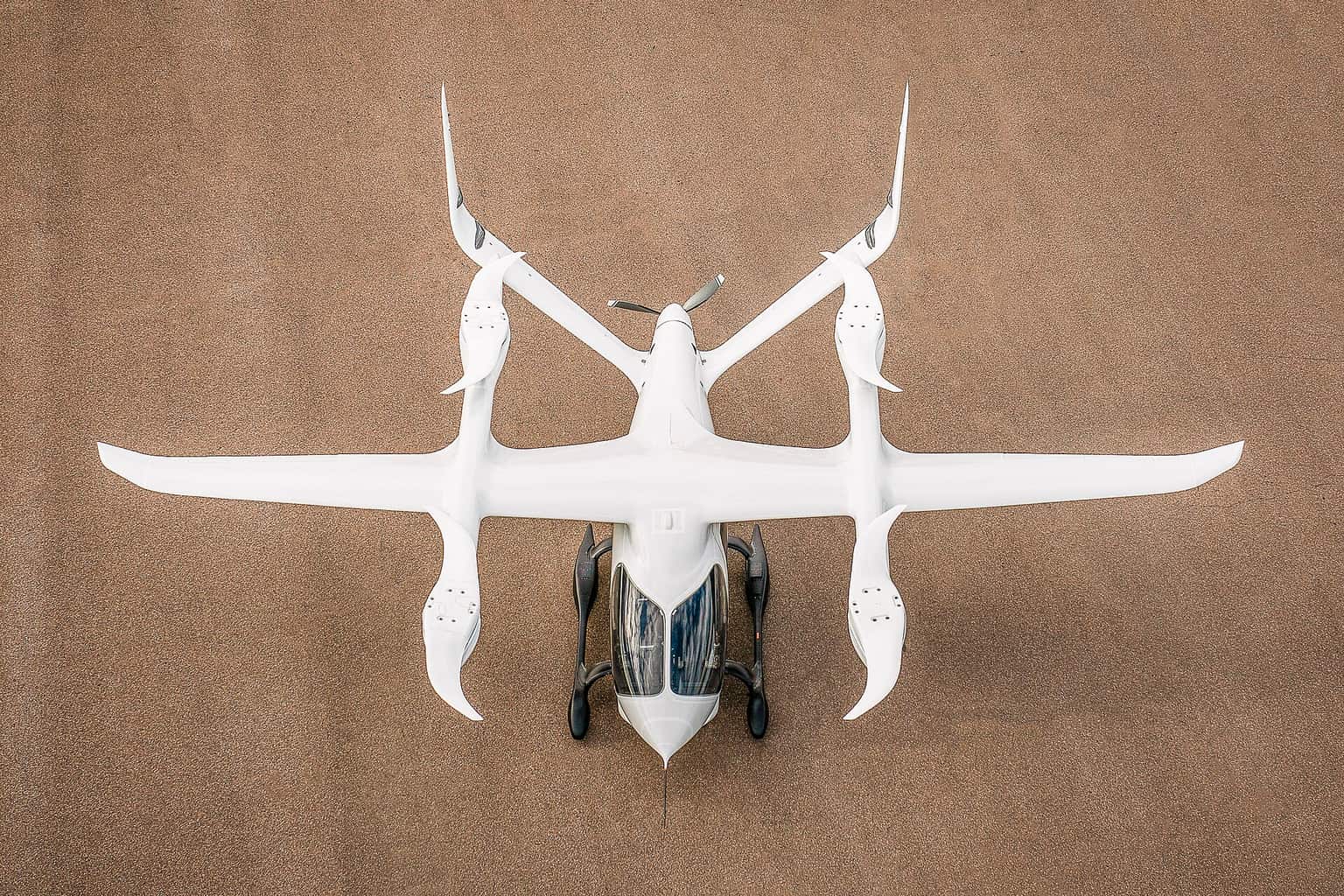
On October 20, the ALIA A250 lifted off vertically from Plattsburgh International Airport in New York, transitioned to conventional wing-borne flight, and landed vertically at Patrick Leahy Burlington International Airport in Vermont. The trip covered 34 nautical miles (39 miles) in 20 minutes. It was the first flight BETA Technologies made under a new authorization from the Federal Aviation Administration (FAA), the US civil aviation regulator.
BETA already held a market-survey authorization for its conventional takeoff and landing (CTOL) aircraft. The new certificate, a Special Airworthiness Certificate for market surveys, follows a safety review by FAA experts and is described as a first of its kind. It lets BETA fly with prospective customers aboard and extends the geographic scope of its operations, subject to applicable restrictions.
The A250 is designed to work with or without runway access. It has dual pilot controls and can carry up to five passengers or more than 1,200 pounds of cargo. According to BETA, it shares electric propulsion, flight control computers, batteries and charging infrastructure with the CTOL aircraft. That common architecture lets the company apply operational experience and technical improvements to both models, which together have logged more than 250,000 nautical miles of flight.
For prospective operators, the change is practical: they can now fly the A250 with the company before any routine service exists. The certificate does not open unrestricted commercial passenger service, and BETA must still complete full type certification before routine operations. The announcement gives no date for that step. BETA says the aircraft could support passenger transport, cargo delivery, medical services and defense operations. The government program backing this work, the eVTOL Integration Pilot Program announced in March by Transportation Secretary Sean Duffy, includes eight projects across 28 states. They cover urban air taxis, regional passenger transport, cargo networks, emergency medical response, autonomous flight and offshore transportation.
"This authorization brings vertical flight closer to the people and places that will put it to work, building on BETA's track record of industry firsts," said Kyle Clark, BETA's founder and CEO. FAA Administrator Bryan Bedford said the agency is committed to working with American innovators to integrate these aircraft into national airspace "while maintaining the rigorous safety standards that have made the United States a global leader in aviation." BETA is continuing flight testing as it works toward full certification.
Sources — read the originals(Paris time)
Read next
Comments
Loading the thread…
Sign in to leave a comment. Sign in