Joby's S4 air taxi flies first test flights in Florida
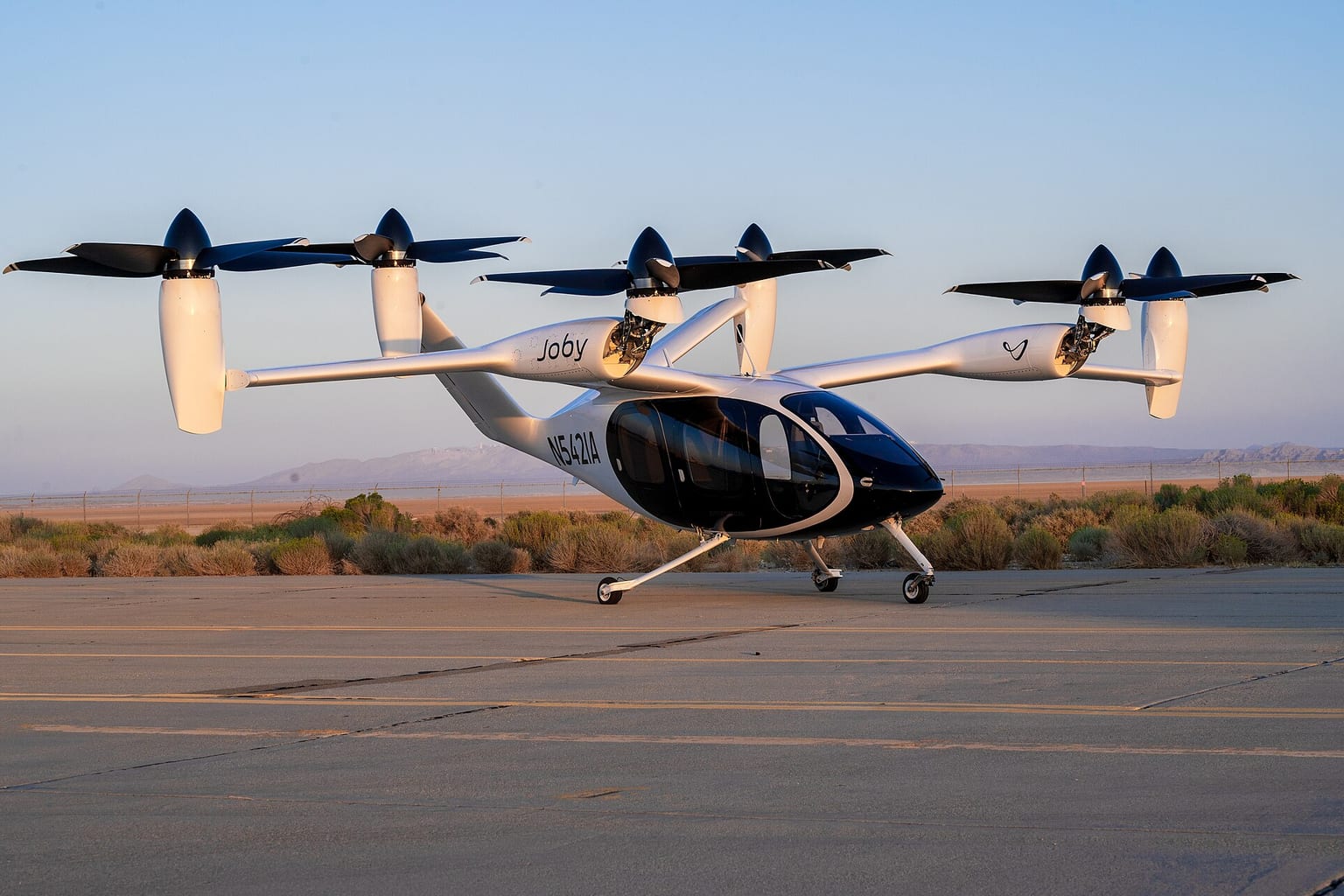
For one week, Joby Aviation has been flying its electric air taxi across Florida to see whether it can fit into the airports and transport links the state already has. The campaign is run with the Florida Department of Transportation (FDOT). One planned route links St. Petersburg with Tampa International Airport, along a corridor that was used by the world's first scheduled commercial airline service, in 1914.
The aircraft is an eVTOL, short for electric vertical takeoff and landing. The Joby S4 takes off and lands vertically, then transitions to wing-borne flight, like a plane. It is designed to carry a pilot and four passengers. At Orlando International Airport, Joby plans to use a vertiport near Terminal C and the airport's train station, so that future air taxis connect directly with ground transport. The company said it has spent two years working with the Federal Aviation Administration (FAA), NASA, airport officials and air traffic control teams to develop and simulate the operating procedures for that site.
The flights sit inside a federal framework. Florida is one of eight states selected for the FAA's eVTOL Integration Pilot Program, which brings aircraft makers and public agencies together to test operations before wider deployment. The FAA said Florida has now completed its first demonstration flights under the program, which included Joby and BETA Technologies aircraft. Joby's S4 flew between Albert Whitted Airport and Tampa International Airport. Beyond these flights, Florida is mapping an Aerial Highway Network, identifying the routes and infrastructure that could eventually support air taxis. State legislation, including Florida House Bill 1093, has supported vertiport development, and the SunTrax facility is being used as a test campus.
What changes for passengers depends on certification. Joby is approaching the final stages of the FAA's type certification process for the S4, and certification must be granted before the aircraft can enter commercial passenger service. The Florida campaign is not that service: it is about testing airport access, air traffic coordination and passenger connections. The sources give no date for certification or for a first commercial route. For now, the immediate beneficiaries are regulators and transport officials, who can see how electric aircraft would work inside existing airports and regional networks before the first paying passenger boards.
Sources — read the originals(Paris time)
Read next
Comments
Loading the thread…
Sign in to leave a comment. Sign in