A compound switches off the growth engine of brain tumors
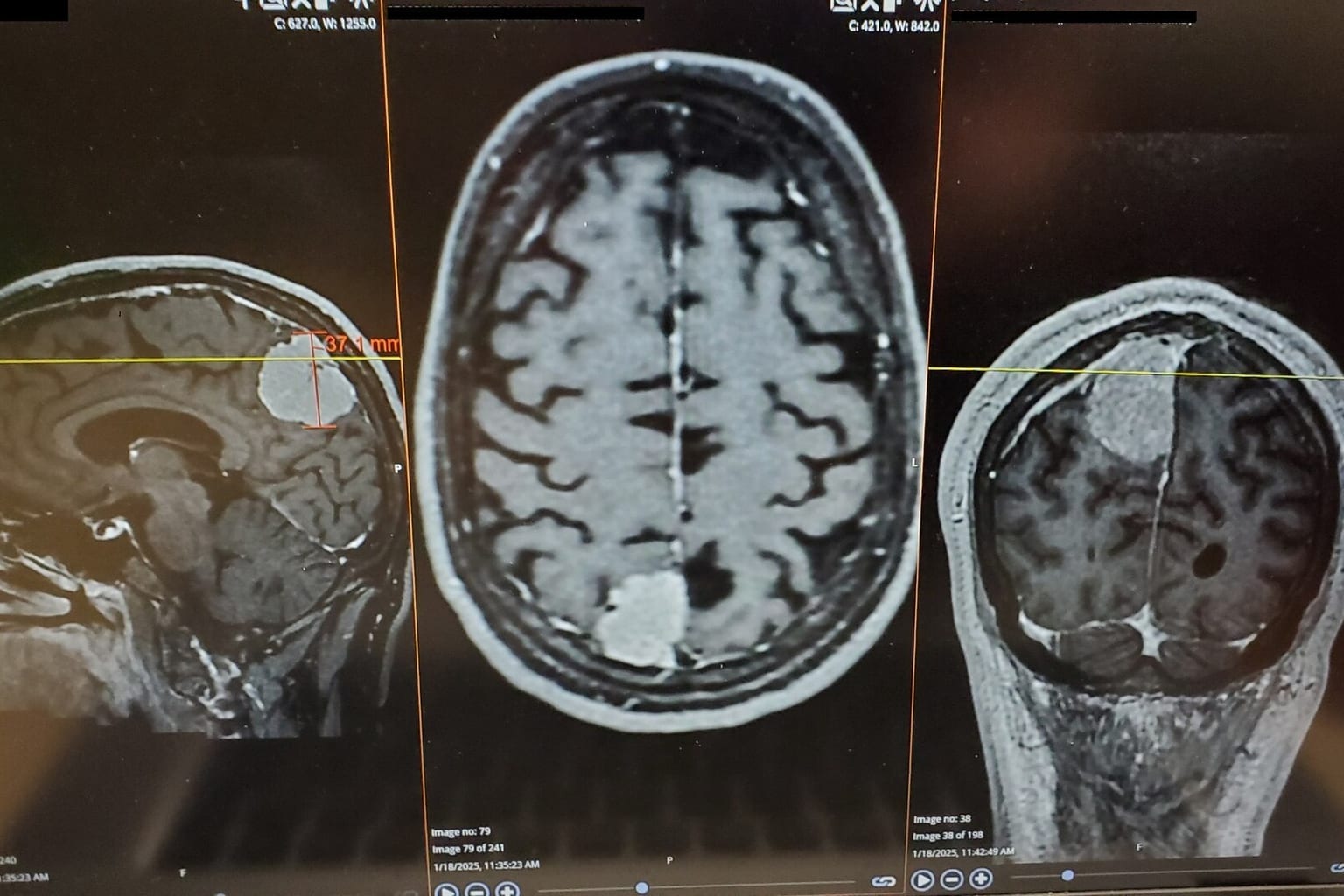
Glioblastoma is one of the most common and deadliest malignant brain tumors, and it is hard to treat: it progresses rapidly and comes back very often. In a Korean laboratory, a team has now found a compound that switches off the growth signal of these tumor cells, and in mice the tumors substantially shrank.
The standard treatment is temozolomide, a chemotherapy drug used since its FDA approval in 2005. The problem is that cancer cells develop resistance to it in more than half of patients, and the disease returns. That gap is what the team, based at the Korea Research Institute of Bioscience and Biotechnology (KRIBB) and led by Tae-Su Han, set out to address.
The researchers started from patient data. Brain tumor tissue contained abnormally high levels of a protein called NMUR2, compared with normal brain tissue, and the higher the level, the more aggressive the tumor. When they raised NMUR2 in cancer cells, the cells grew faster and migrated more actively. When they lowered it, cell division dropped markedly.
The mechanism works a bit like an ignition key. NMUR2 sits on the cell surface and, once activated, releases calcium inside the cell. That signal wakes up a relay protein, which keeps the genes that drive cell division switched on. NMUR2 is a receptor on the cell surface, the kind of target that drugs can reach, which is why the team went looking for a compound that could block it.
Rather than design a molecule from scratch, the team screened a library of 6,331 existing compounds. One of them, NNC 05-2090, binds NMUR2 strongly and blocks its signal. This is a drug-repurposing approach: conventional drug development typically takes 10 to 15 years or longer, while reusing compounds whose safety and pharmacological profiles are already known can shorten the timeline and reduce costs, according to the researchers.
In glioblastoma cells and in mouse models of brain cancer, NNC 05-2090 switched off the signaling pathway, halted cell division and substantially reduced tumor size. The most striking result is the combination: used with temozolomide, it produced a synergistic effect that was substantially greater than either compound alone. The study, published on July 30, 2026, in the International Journal of Biological Sciences, suggests the compound could be combined with existing chemotherapy to improve its effects.
The work remains preclinical. Han said that further research is needed to improve how the compound crosses the blood-brain barrier, the filter that keeps many molecules out of the brain, and to optimize drug delivery. The next step the team describes is exactly that: making the compound reach the tumor, and then deciding whether it can become a drug for patients. No timeline for that step is given.
Sources — read the originals(Paris time)
Pages consulted while writing
Read next
Comments
Loading the thread…
Sign in to leave a comment. Sign in